
Make the first successful integration easier to reach.
Developers move between docs, examples, logs, and coding agents. We add an AI layer that answers from the current API contract and helps them reach a working call.
- Public API products
- SDKs and client libraries
- Developer platforms
- MCP servers and coding agents
Call webhooks.retry with the delivery ID. Failed deliveries can be retried for 72 hours, and every attempt is logged.
Retrying webhook deliveries
Guide
Node, Python
Exact answerwebhooks.retry()
API reference
v4.2
Method signatureDelivery logs
Dashboard guide
Guide
See each attempt
Ask the docs
Three gaps turn a promising integration into a support thread.
- 01
Generated code misses one important detail.
A snippet looks plausible but uses an old parameter, wrong type, or endpoint that the API never had.
- Answers tied to current docs
- Machine-readable pages for agents
- Source page beside each answer
46%
of developers say they do not trust AI tool output accuracy
Stack Overflow Developer Survey, 2025 - 02
Search returns pages, not a working call.
A developer opens several results without finding the exact request, then moves the question to community or support.
- Answer paired with a runnable example
- Example in the developer's language
- Unanswered questions recorded as doc work
02
- 03
The first error ends the trial.
A 400 or 401 gives little context, and the developer cannot tell which part of the setup is wrong.
- Error read with request context
- Likely cause explained
- Corrected request ready to copy
03
AI layers for developer products.
Developer product teams and API publishers get an AI layer on top of the docs, specifications, code examples, and support channels they already maintain.
For developer tools and SDK teams
Documentation systems
- Questions answered across docs
- llms.txt generated from source
- MCP server built from the docs
- Updates drafted from pull requests
API products with public docs
- Ask about the current page
- Copy a clean model-ready page
- MCP server for API tasks
- Agent plugins with defined skills
SDK and API development
- SDKs generated from OpenAPI
- MCP server beside the SDK
- Code tools over the SDK
- Docs kept in step with the spec
Developer support channels
- Question widget inside the docs
- Slack and Discord response bots
- Answers before ticket creation
- Support drafts with sources
Error diagnosis and debugging
- Likely cause from the stack trace
- Fix prepared as a pull request
- Diagnosis across service traces
- Code review against defined rules
API clients and test tooling
- Endpoint tests from a plain request
- Guided setup for external APIs
- Fields mapped between two APIs
- MCP server with API context
For teams whose product includes an API
Platform, integrations, and DevRel teams get a clearer path from API discovery to a first successful call.

- 01
Answer the questions your docs already receive.
We test against support tickets, community threads, and search logs, then show sources, uncertainty, and a clear path to a person.
Talk to us about this - 02
See where the assistant should stop.
Wrong answers, weakly supported answers, and questions that need refusal are mapped and rechecked with every release.
Talk to us about this - 03
Shorten the path to a first successful call.
The path from signup to first call is measured, drop-off points are ranked, and unnecessary setup steps are removed.
Talk to us about this - 04
Make the first error easier to resolve.
Key setup, environments, and sandbox behavior are reviewed around common failures, with an assistant that removes a step when it can.
Talk to us about this
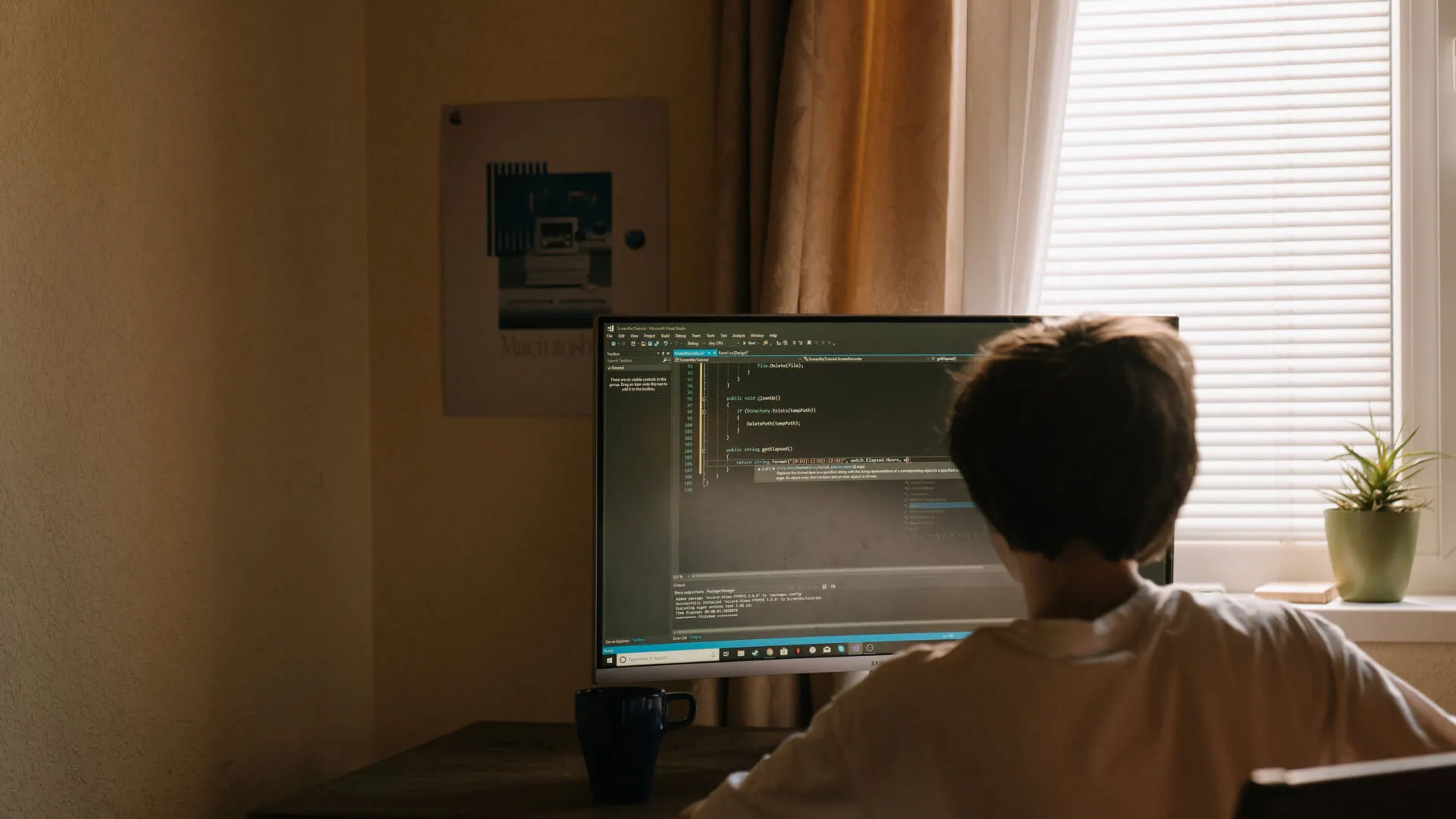
Four operating rules for developer product AI.
- 01
Stay inside the current contract.
Examples use only parameters and endpoints present in the active specification, with the source page cited.
- 02
End with code a developer can run.
The example matches the developer's language and SDK version and is ready to copy.
- 03
Give agents the same source as people.
Markdown pages, llms.txt, and MCP expose the same maintained documentation to coding agents.
- 04
Turn a miss into documented work.
An unanswered question becomes a specific docs task instead of a dead end.
Where this industry usually starts
AI Discovery (AEO) & Growth
Your public docs are already part of the buying path. We check how assistants and coding agents describe your product, where they cite a competitor, and which source pages need work.
AI Experience (AX) Audit
If developers search, copy, and still open a ticket, the break may be in the answer, the example, or the setup path. We audit the journey and tie the first fix to time to first successful call or tickets per new account.
AI Product & UX Design
A developer needs a current example, visible source, version context, and a useful error state. We design those controls into docs, dashboards, and support surfaces.
The layer starts with your existing developer stack.
Specifications, docs, code, and support channels remain the source while AI helps people find and use them.
Source control
GitHub
API specifications
OpenAPI
Documentation platforms
Mintlify, ReadMe, and Docusaurus
Package registries
npm and PyPI
Editors and coding agents
VS Code, Cursor, and Claude Code
Developer community
Slack and Discord
Support desks
Zendesk and Intercom
Service status
Atlassian Statuspage
The questions that decide it.

What does an AI documentation layer cost?
We begin with a fixed price AI Experience Audit over two weeks. It produces a fixed build price, and the audit fee is credited to that build. Current figures are on the pricing page.
How do you prevent made-up endpoints and parameters?
How long does the first documentation assistant take?
Can we keep our documentation platform?
How can developers find our API in AI tools?
Should our API have an MCP server?
Which metric should we use after launch?
See how your API appears in developer answers.
In one 20 minute call, we can check public documentation and show whether assistants cite your API, a competitor, or neither.
- NDA from the first conversation.
- Response within 24 hours, guaranteed.
- Founder-led from first call to handoff.
