
Insights on AI Experience, Product Design and Development
Field notes and playbooks on AI Experience, Product Design and Development, SaaS, copilots and agents, automation, ROI, and adoption.
AI Adoption & Trust
20 articles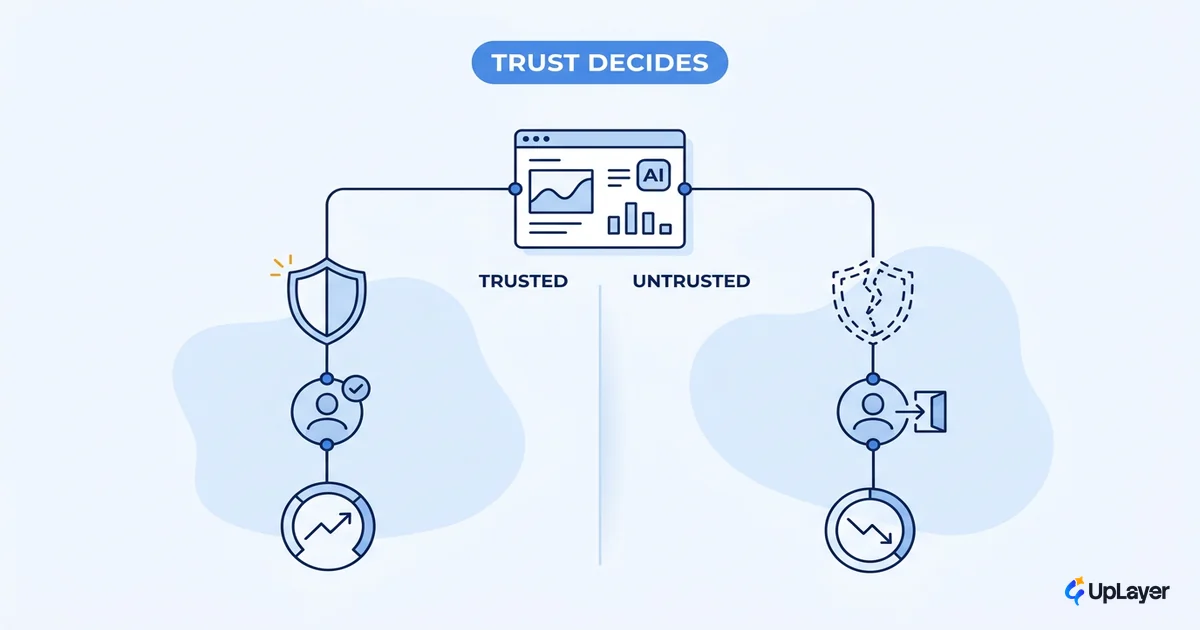
Reducing churn with AI features users trust
Reducing churn with AI works only when the feature is reliable enough to trust. Here is the trust-to-retention mechanism, and the AI that backfires.

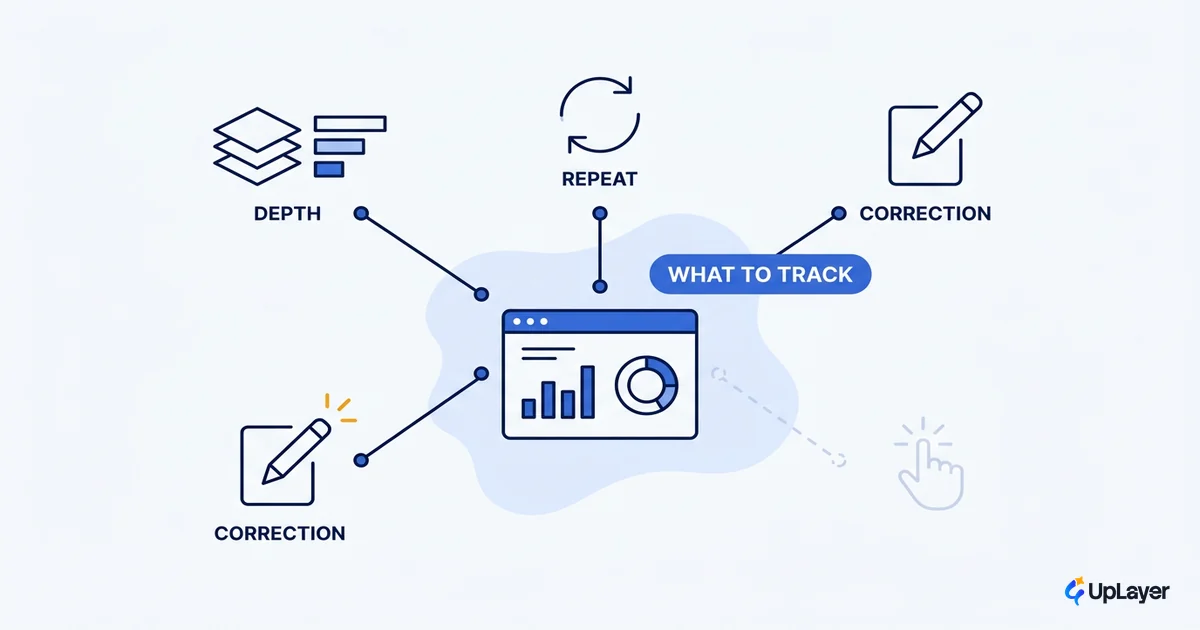
AI adoption metrics and what to track
The AI adoption metrics that prove a feature is adopted and trusted: usage depth, repeat rate, correction rate, and the vanity numbers to stop reporting.
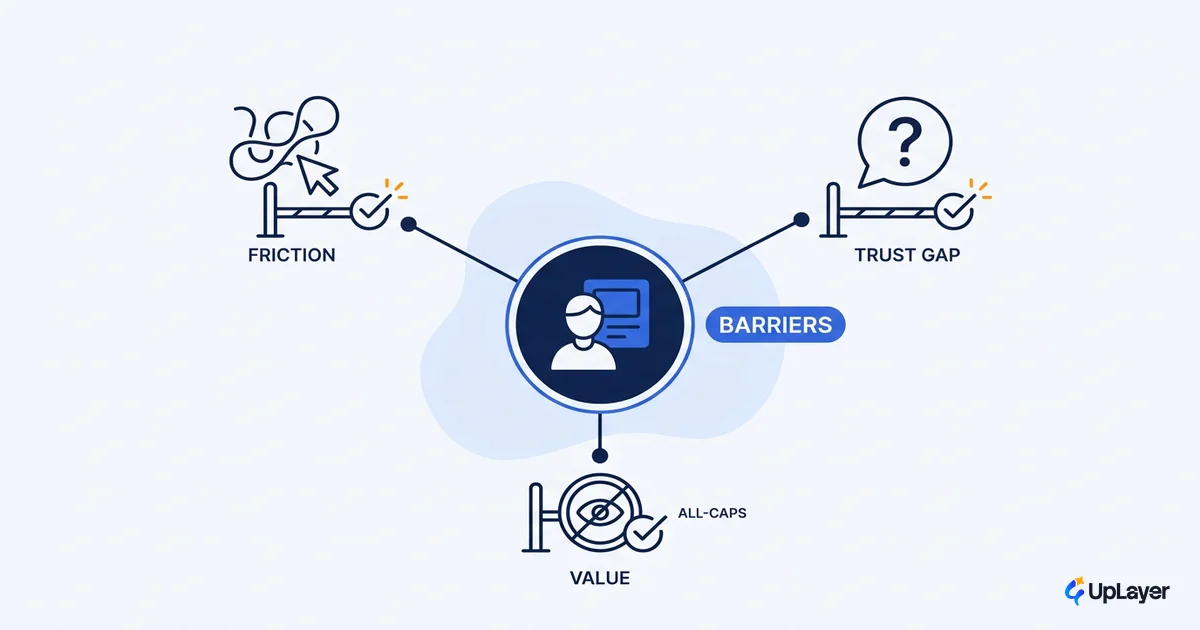
Barriers to AI adoption and how to remove them
The real barriers to AI adoption are user-side: interface friction, the trust gap, and invisible value. Here is a shippable fix for each one, tied to a metric.

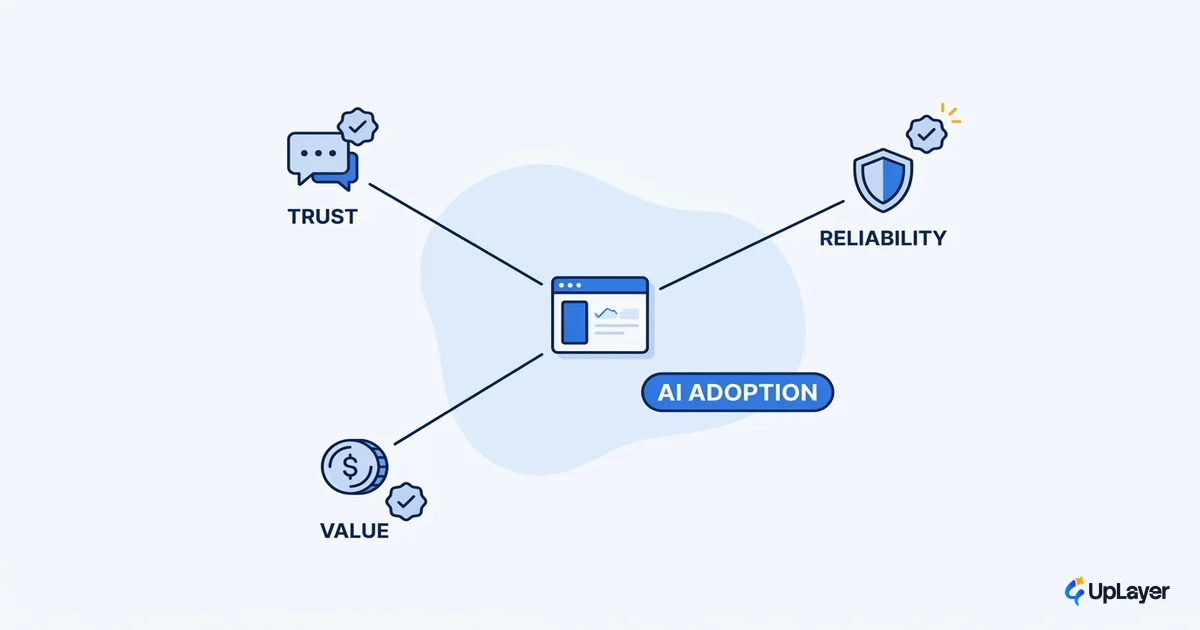
AI adoption challenges and how to get past them
The real AI adoption challenges are trust, reliability, and unclear value, not access. Here is a shippable fix for each one your product team can run.
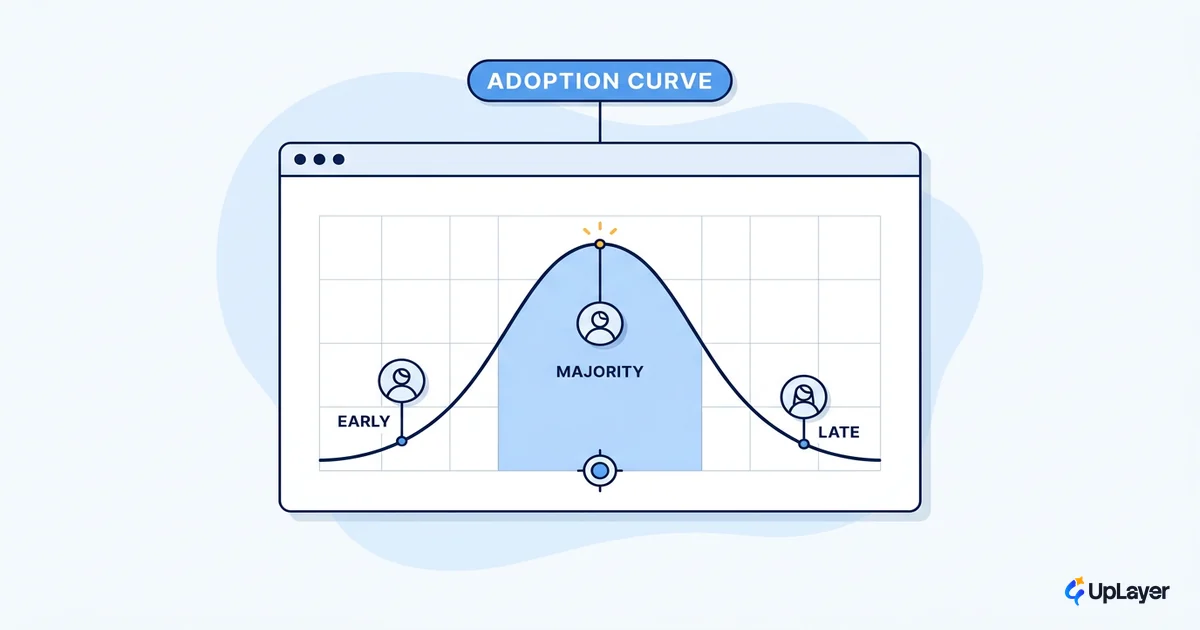
The AI adoption curve and where your users sit
The AI adoption curve maps who adopts your AI feature and when. Design for the skeptical majority in the middle, not early adopters, to win retention.
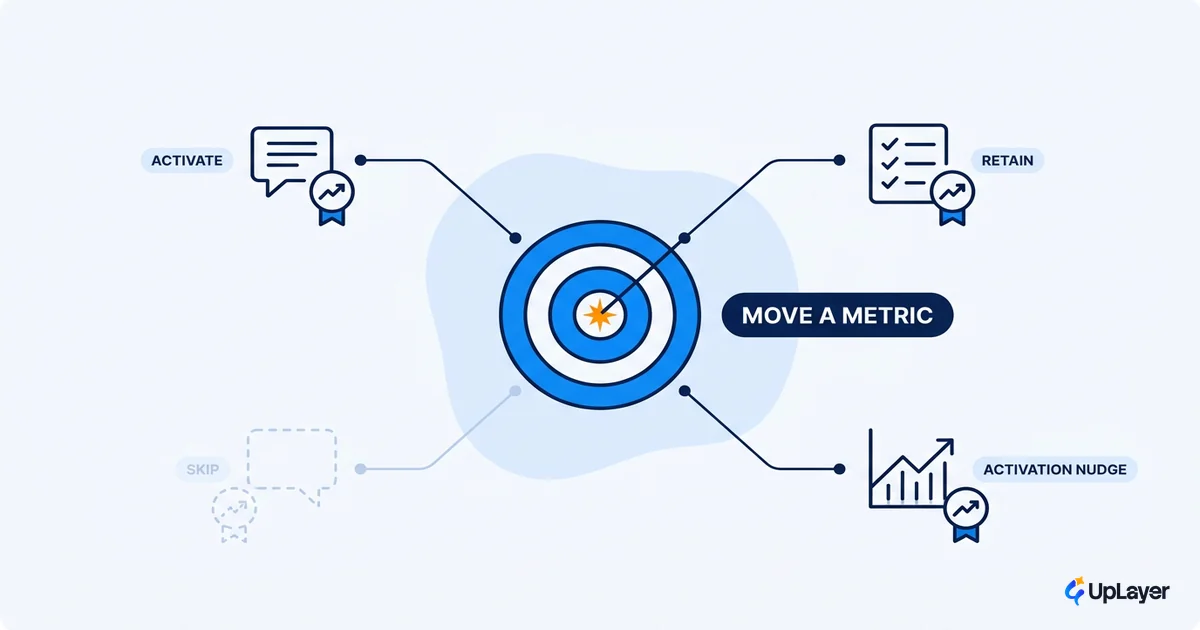
AI adoption strategies that move a metric
A short, opinionated menu of AI adoption strategies, each mapped to a metric you already track, with clear notes on when to use each play and when to skip it.
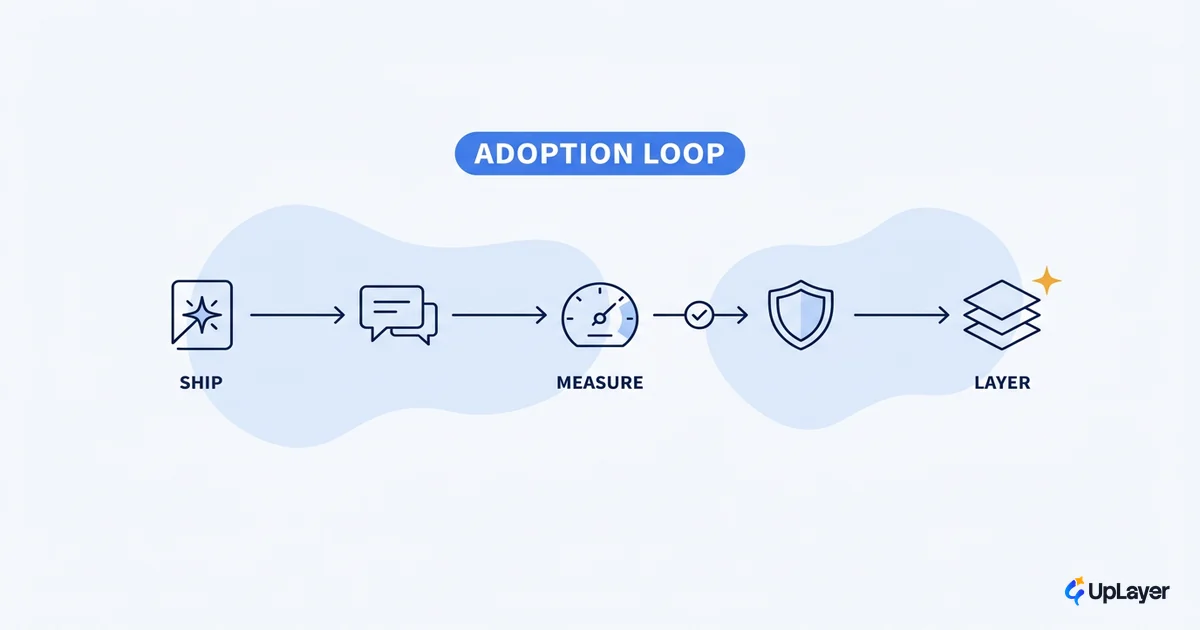
An AI adoption framework for product teams
An AI adoption framework that ships: five stages from first AI feature to dependable layer, each gate cleared by a metric you already track.

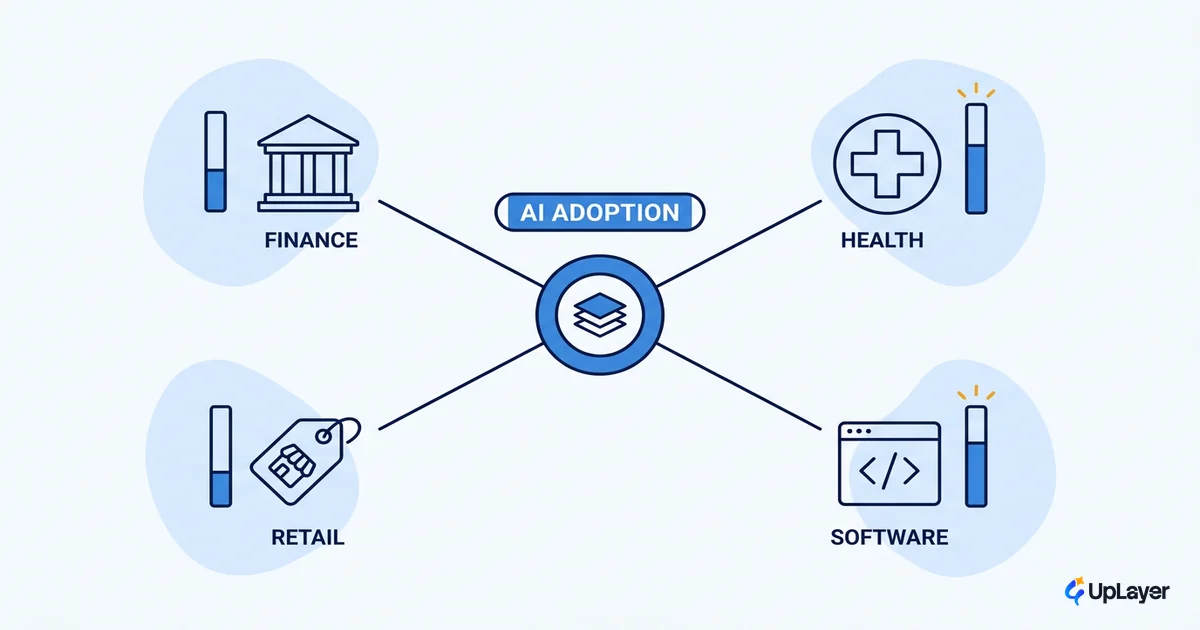
AI adoption by industry and what it means for you
AI adoption by industry varies wildly by sector. See the real rates, what a high or low number means for your roadmap, and the feature worth building.
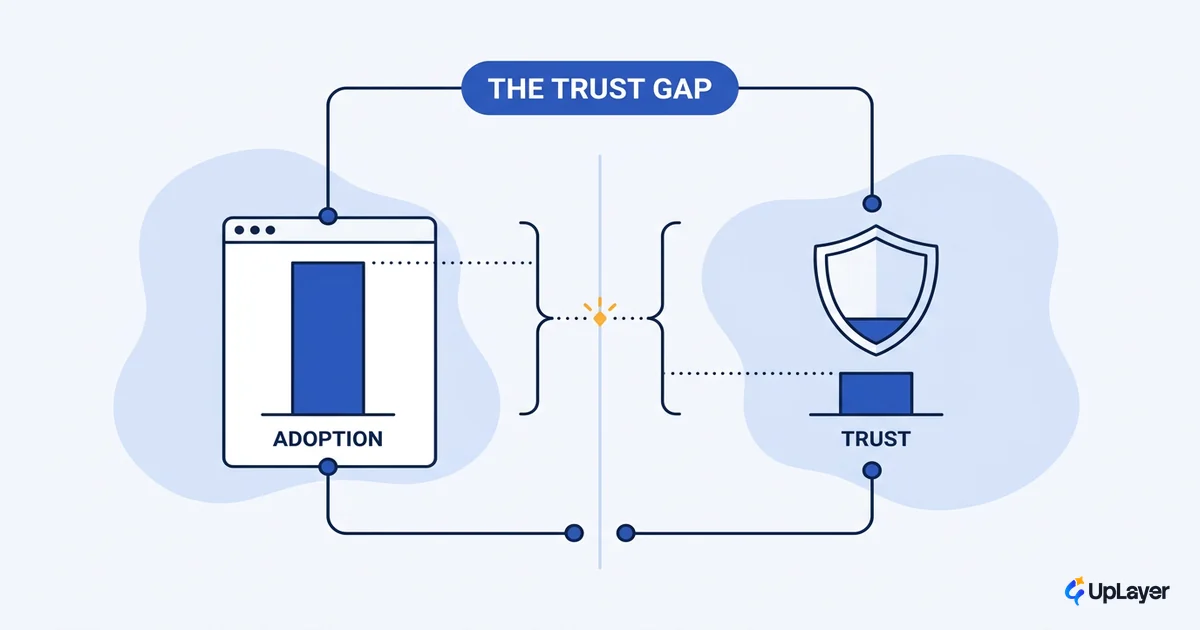
AI adoption statistics every SaaS team should know
AI adoption statistics for 2026 from primary sources with dates: real adoption rates, usage data, growth, and the trust gap that decides your feature.
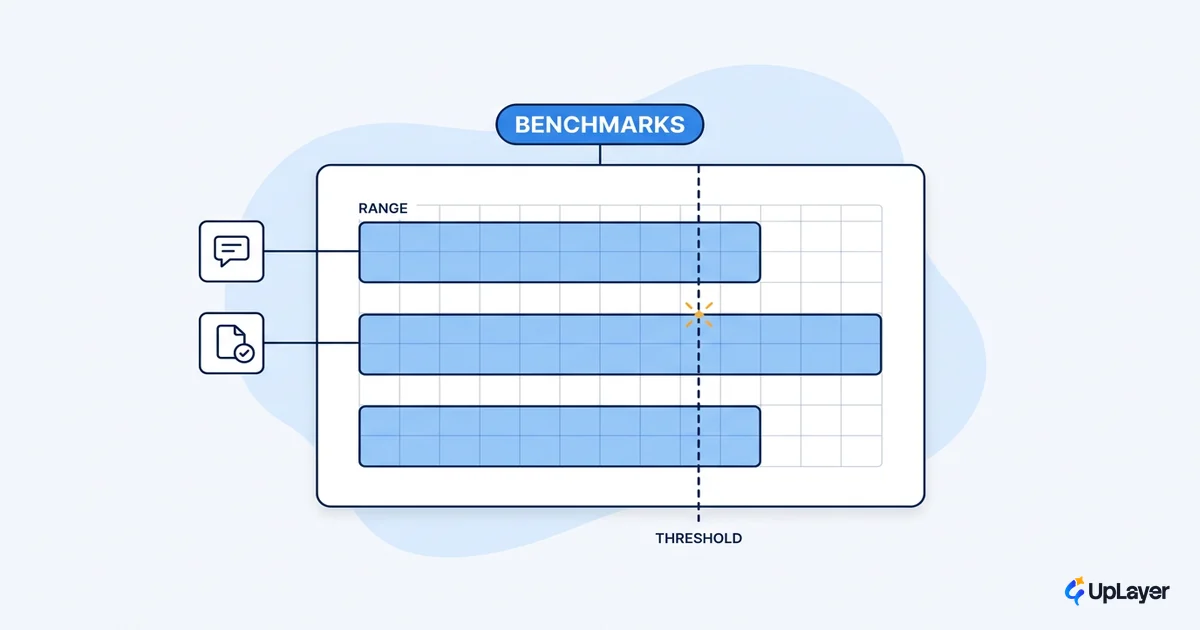
AI reliability benchmarks for SaaS features
AI reliability benchmarks by feature type: real production ranges, what teams actually hit, and the accuracy threshold worth holding the line on for each.
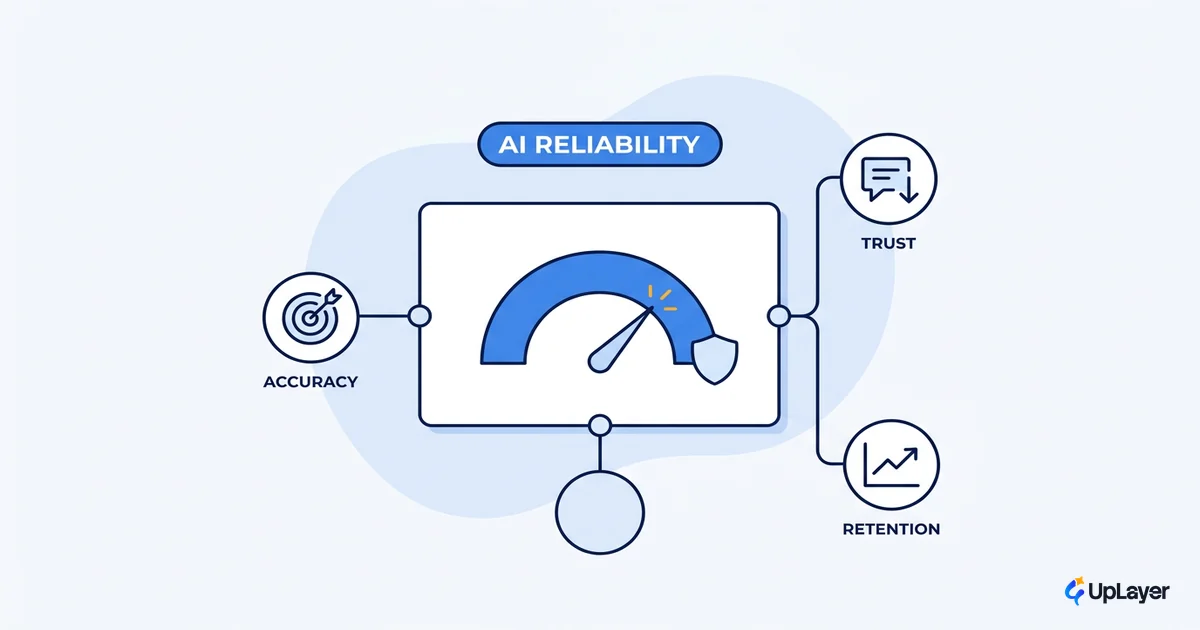
What is AI reliability and how to measure it
AI reliability is the ROI lever teams skip. Here's what it means, how it differs from accuracy, and how to measure and track it on a real feature.
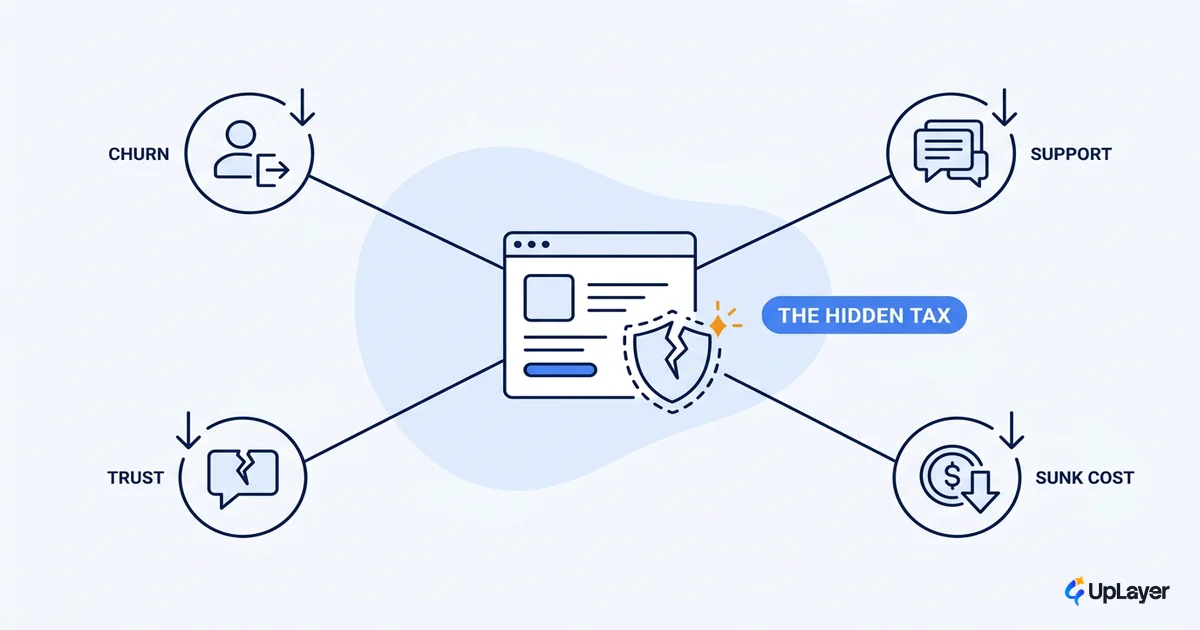
The real cost of shipping AI without guardrails
Shipping AI without guardrails taxes churn, support load, and trust. Here is the real cost of ungoverned AI and the minimum guardrails that prevent it.
AI Experience (AX) Audit
Shipped it, and nobody uses it
That is the most common reason people call. The audit tells you why adoption stalled, what to fix, and what to kill.
How the audit works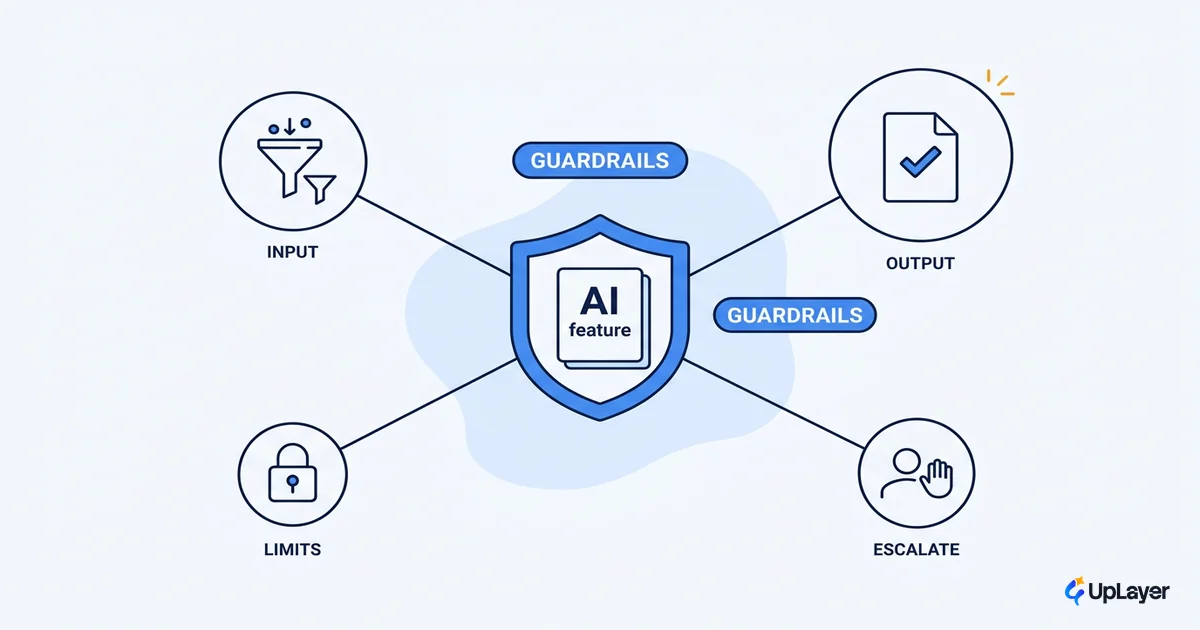
What are guardrails in AI and why they matter
What are guardrails in AI? A plain-language guide to the types of AI guardrails, how they keep features reliable, and which ones your product really needs.
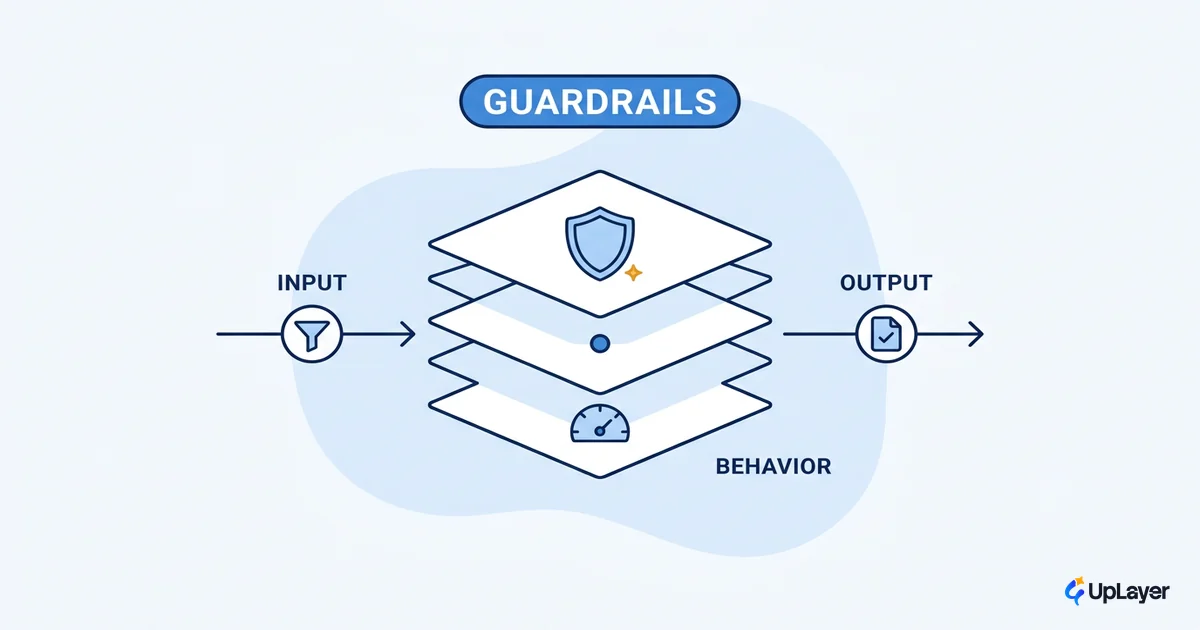
AI guardrails explained for product teams
AI guardrails are the difference between a demo and a shipped feature. A prioritized model of the input, output, and behavioral controls your AI needs.
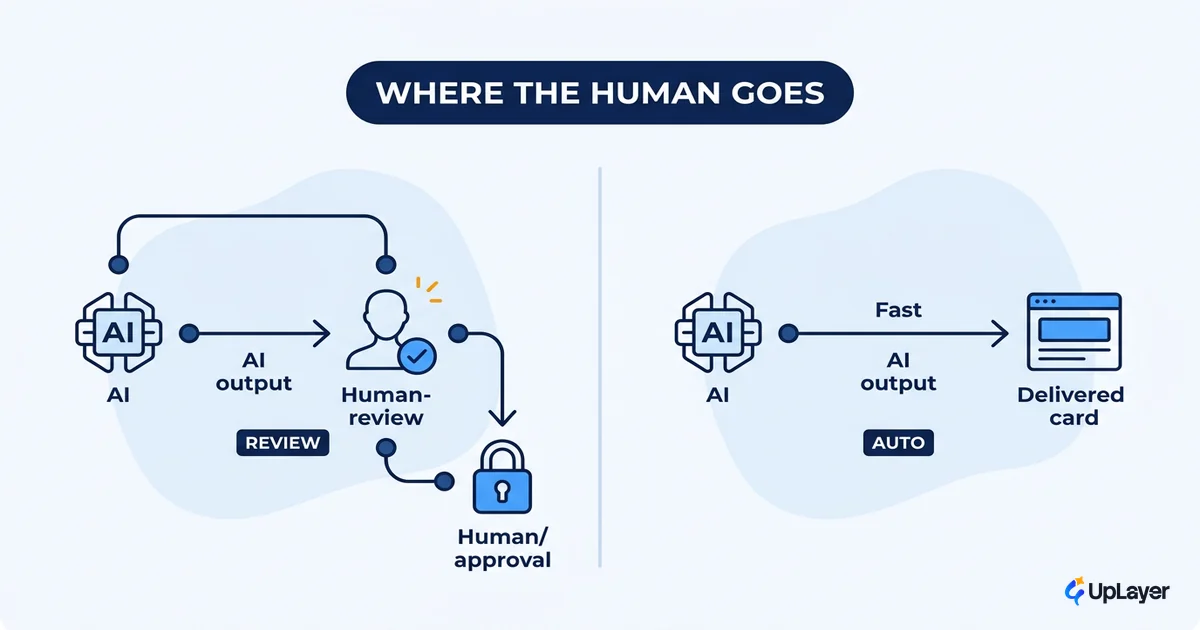
Human-in-the-loop AI design for SaaS products
Human in the loop ai is a design choice, not a default. Learn when to keep a human reviewing AI output, when to remove them, and how to do it.
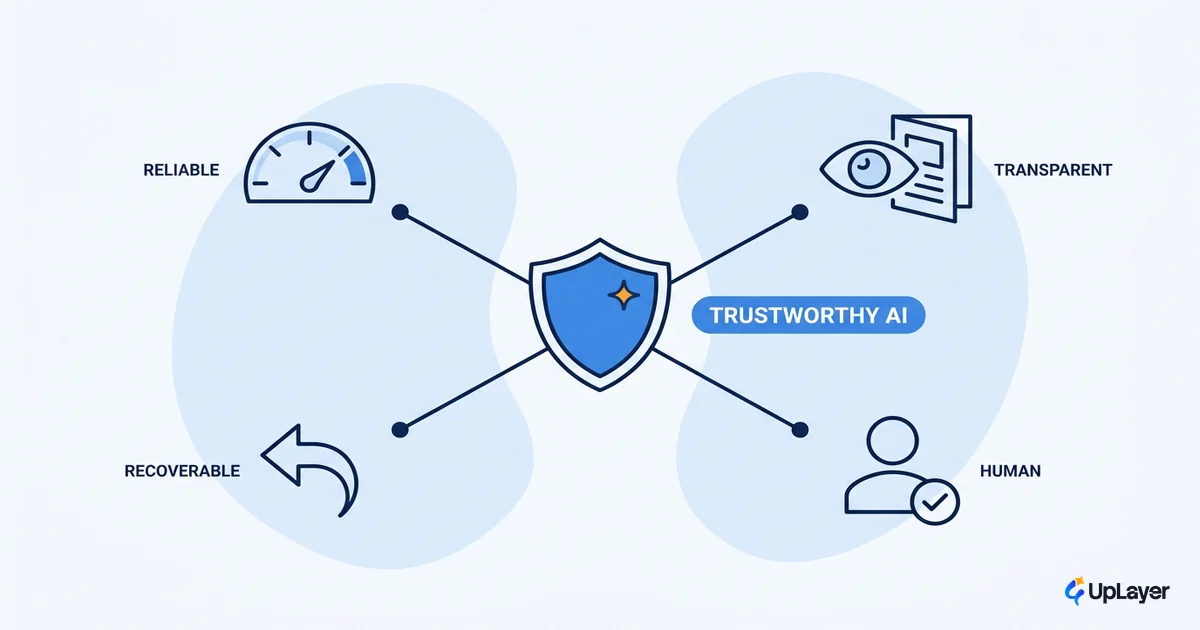
What is trustworthy AI and how to design for it
Trustworthy AI is not an ethics page. It is four product decisions a SaaS team can ship: reliability, transparency, recoverability, and a human in the loop.
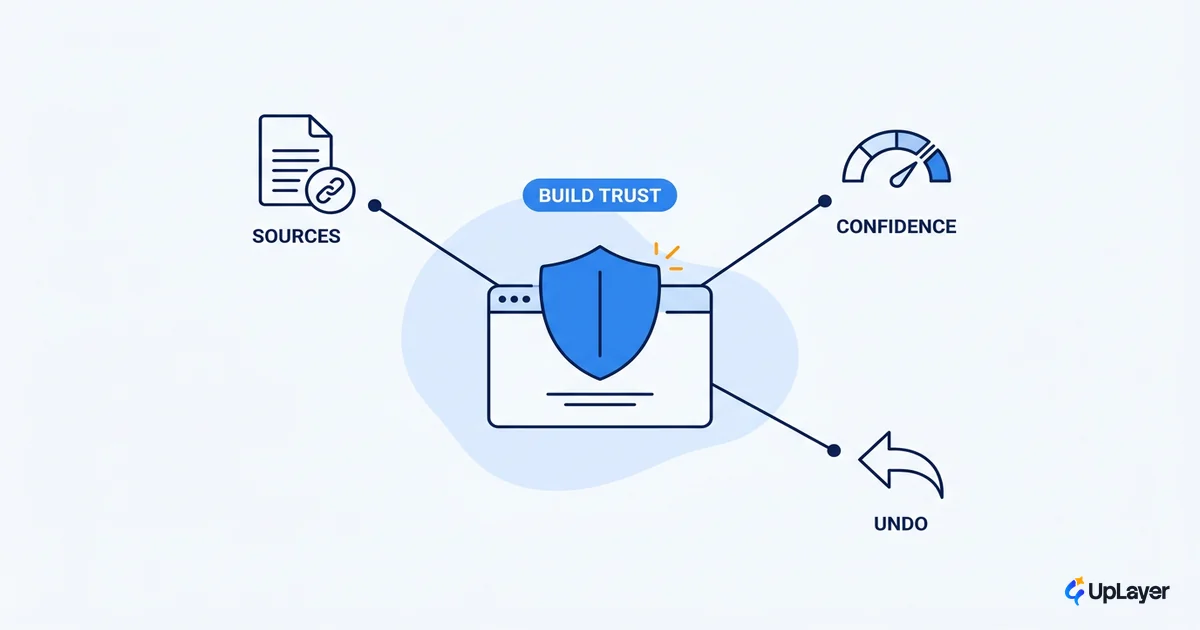
How to build user trust in AI features
Building trust in AI is an interface problem, not a model problem. Three concrete moves that make an AI feature feel safe to rely on, tied to a metric you track.
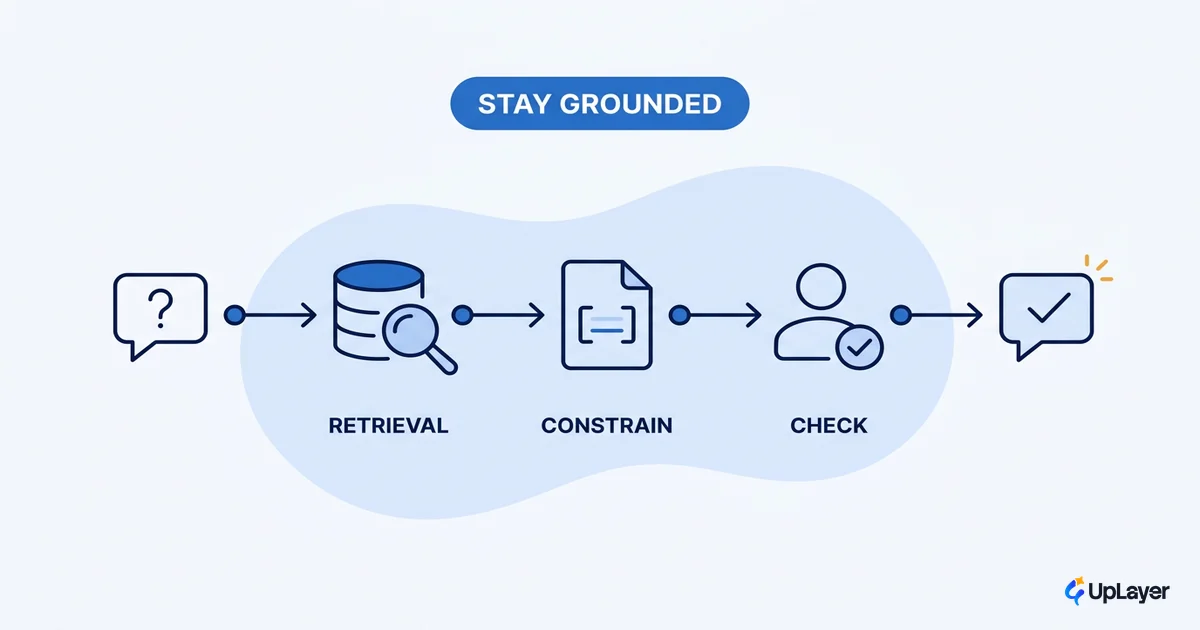
Preventing AI hallucinations in production features
Preventing AI hallucinations in production takes grounding, retrieval, constrained outputs, and human checkpoints. The build patterns that keep features honest.
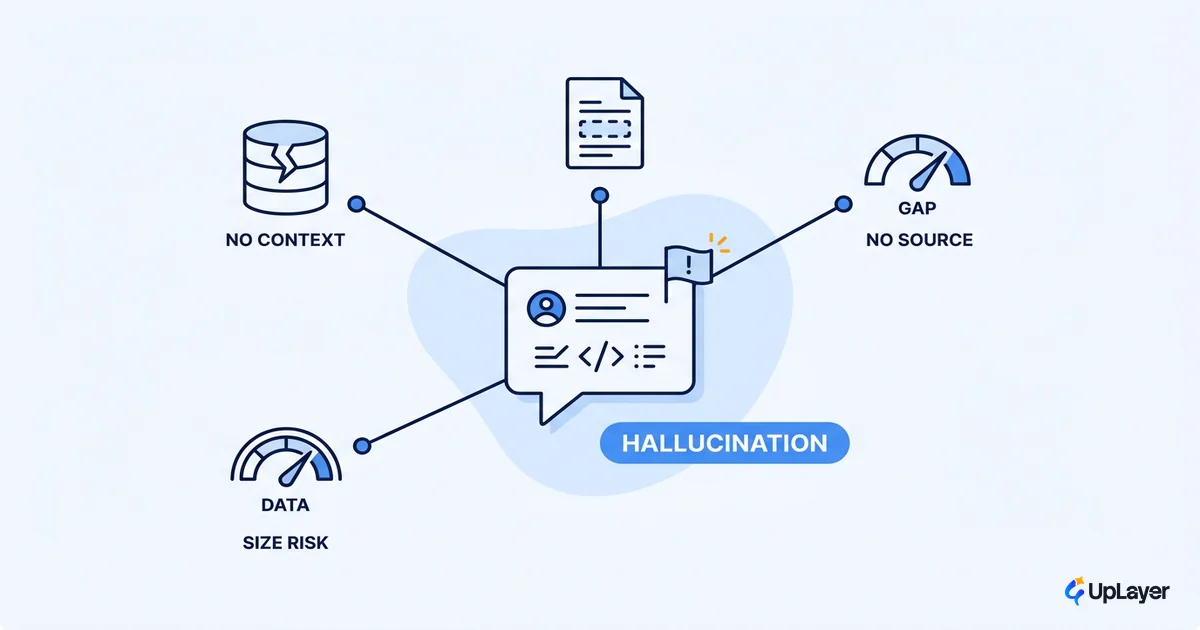
What is an AI hallucination and why it happens
An AI hallucination is when a model states something false with confidence. Here is why it happens and how to size the risk for your SaaS product.
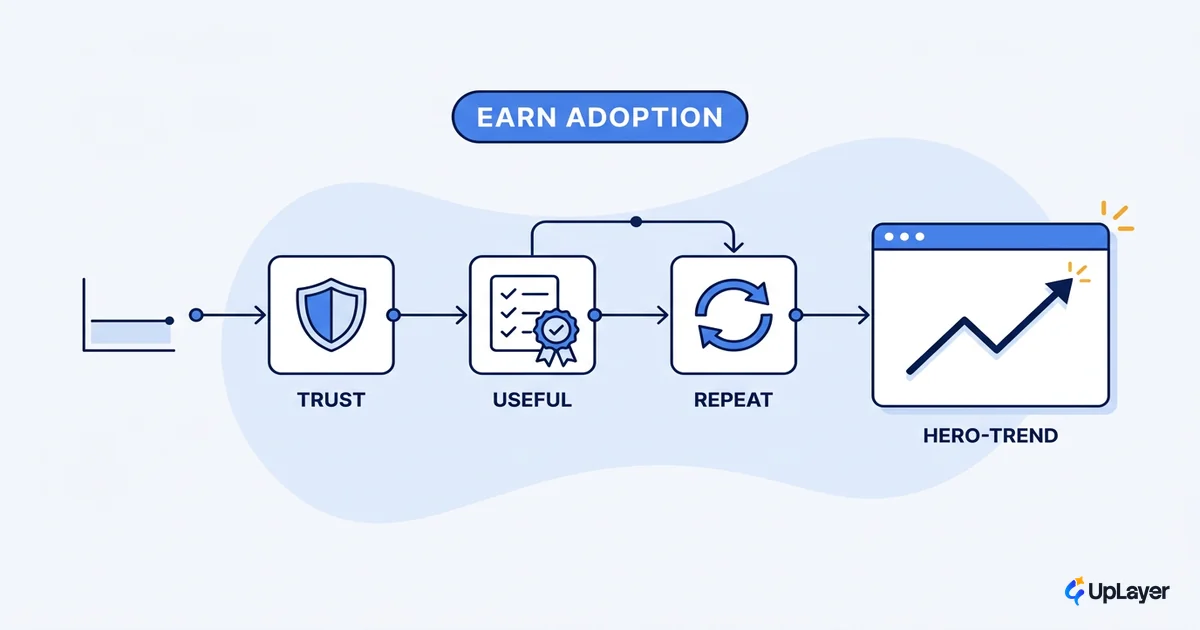
How to increase AI adoption in your SaaS product
How to increase AI adoption in your SaaS: earn user trust, prove usefulness in one session, then measure repeat usage against a metric you already track.
AI Automation
16 articles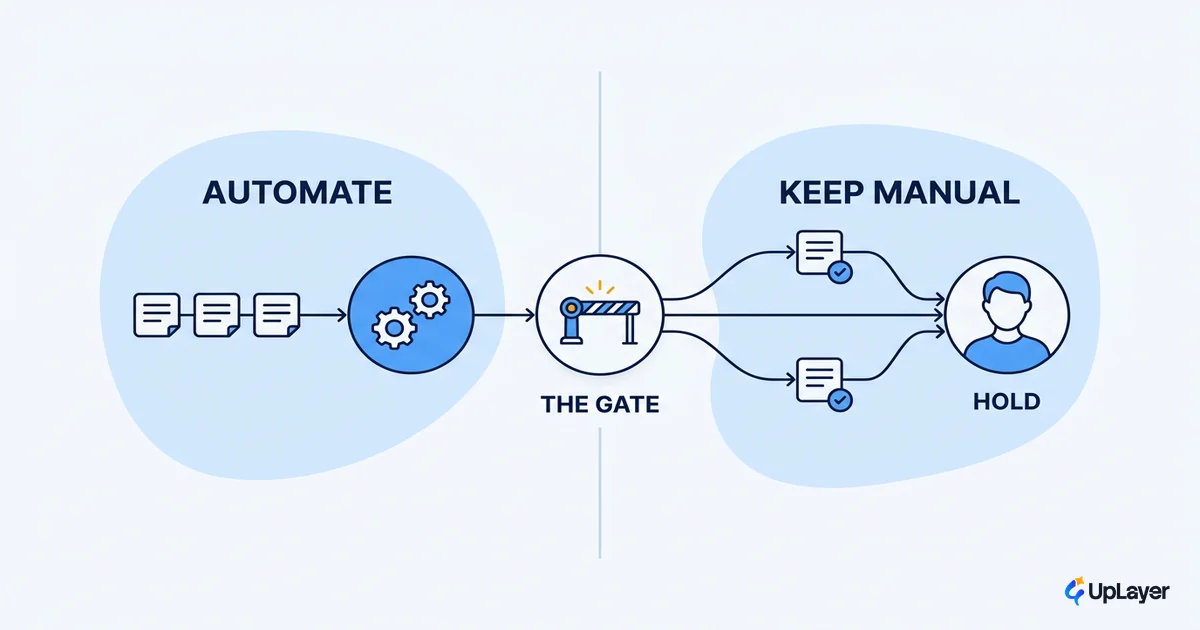
When not to automate with AI: the honest gate
Knowing when to automate with AI means knowing when not to. A founder's checklist for the tasks where automation costs more than it returns.
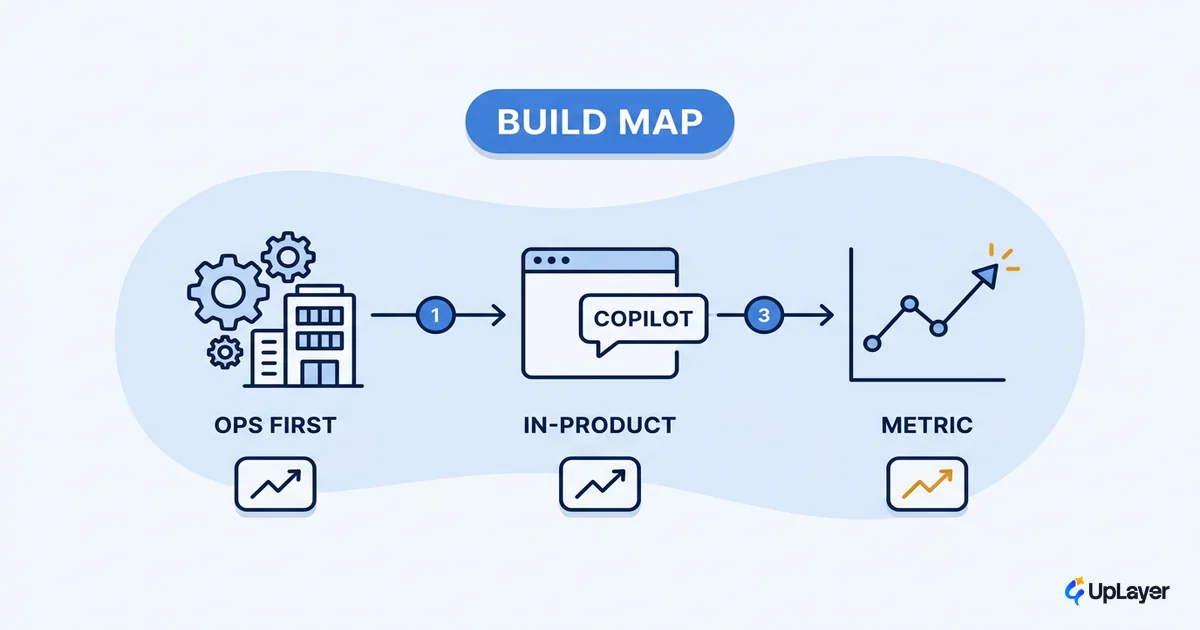
AI workflow automation for SaaS: a build map
AI workflow automation for SaaS works when you sequence it: internal ops first, in-product second, and every workflow tied to a metric you already track.
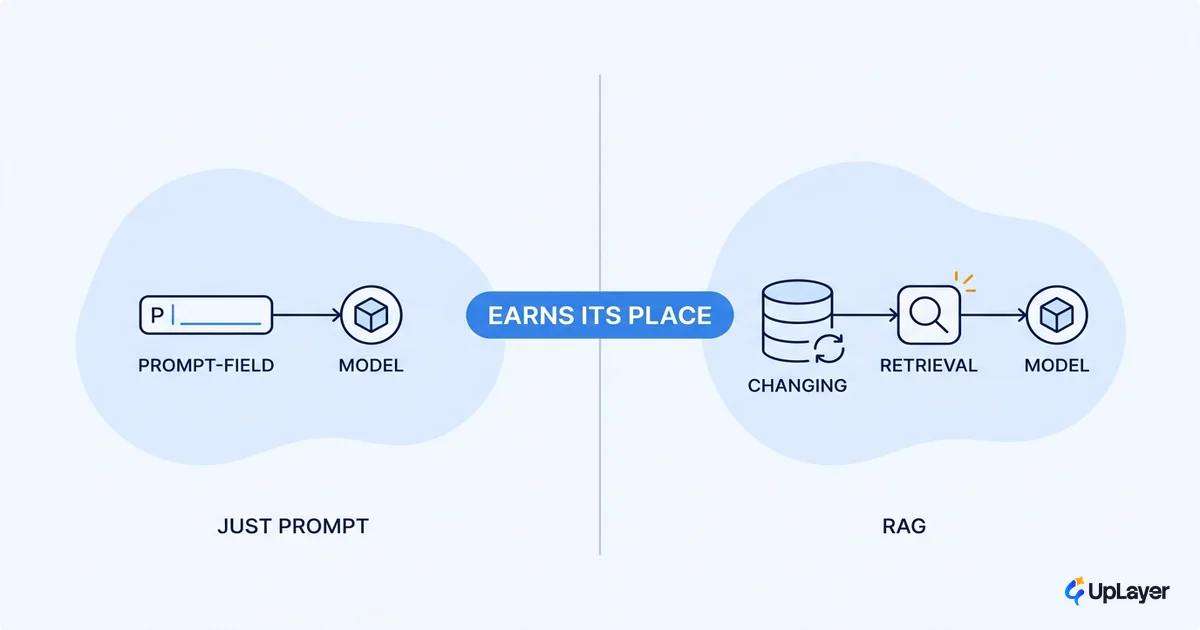
RAG for business: when retrieval earns its place
RAG for business sounds like the obvious upgrade for any internal workflow. Here is where retrieval grounding pays back, and where it is plain overkill.
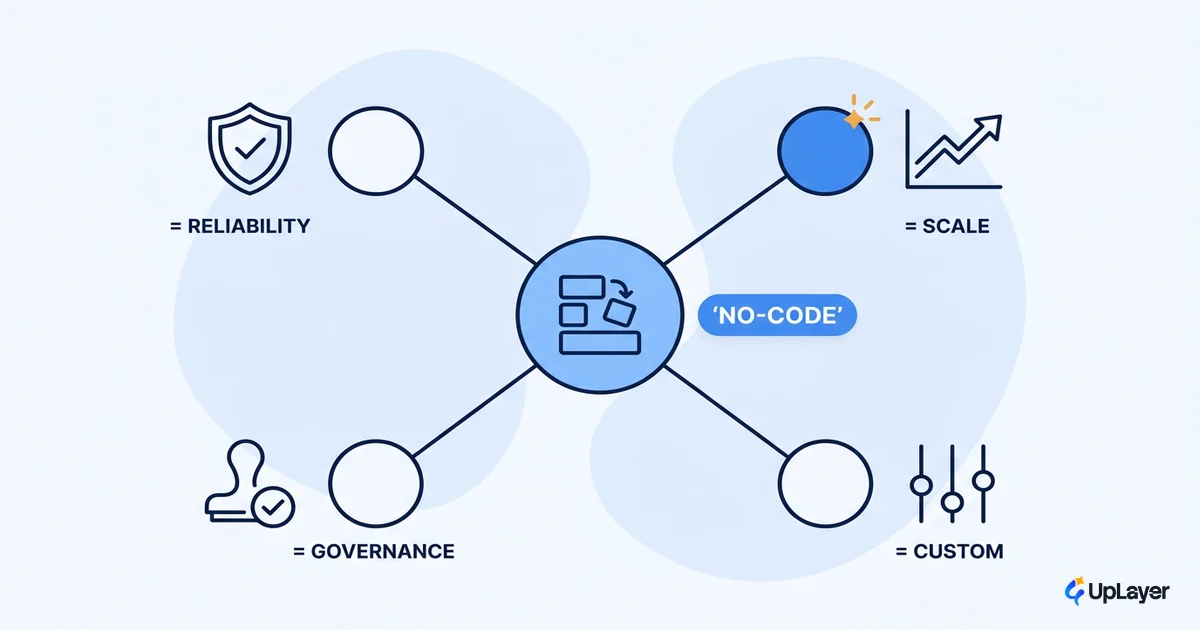
No code AI workflow automation for non-engineers
No code AI workflow automation lets non-engineers ship real automations fast. Here is exactly where it breaks down and when a real build pays off.
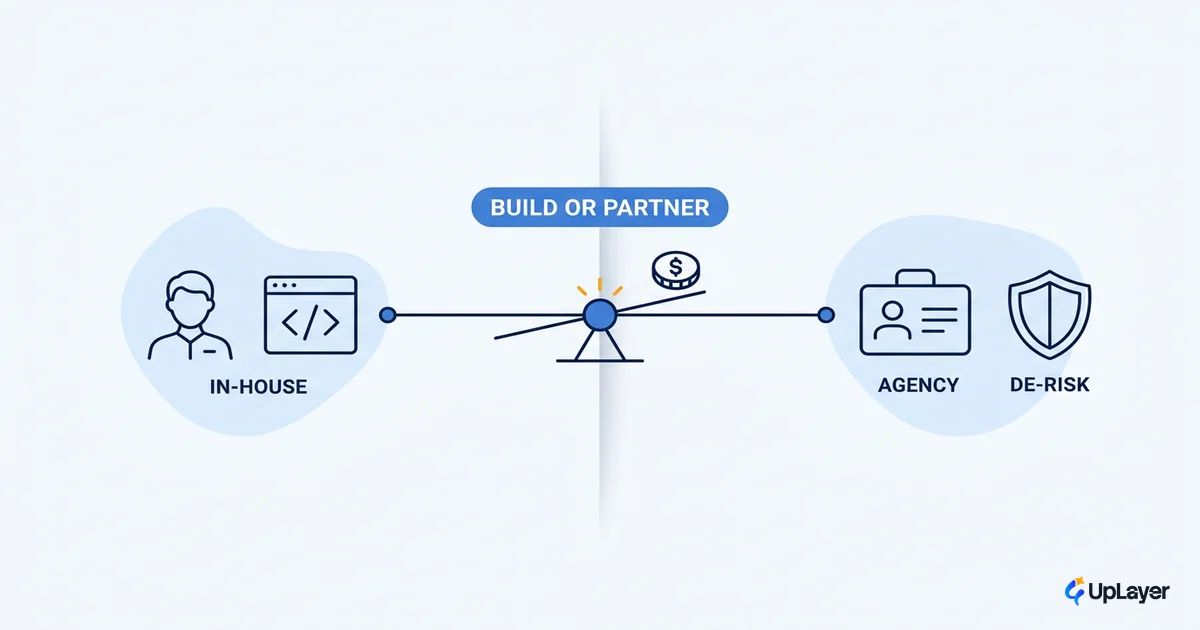
When to hire an AI workflow automation agency
Deciding whether to hire an AI workflow automation agency? The honest build-vs-partner signals, what to demand, and when in-house is the smarter call.
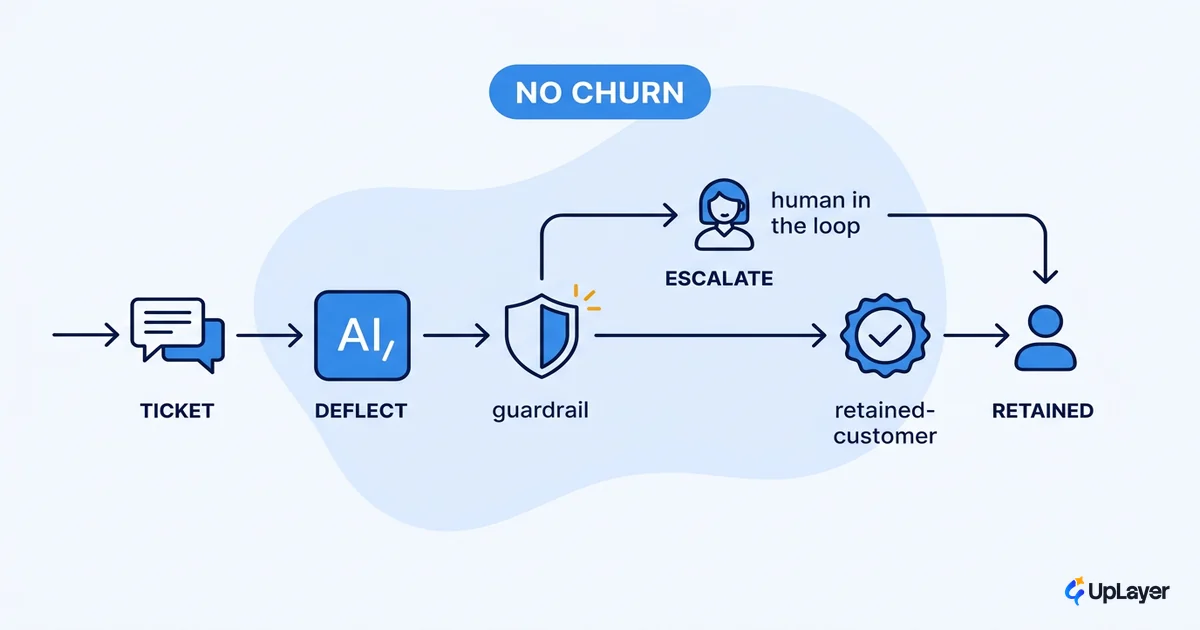
AI customer support automation without the churn
AI customer support automation can deflect tickets and still lose the account. Design the escalation path and the guardrails that protect retention first.
AI Automation & Agentic AI
Put this into production, not a demo
Agents that handle the repetitive work, with the guardrails and human review that let you actually ship them.
How automation works here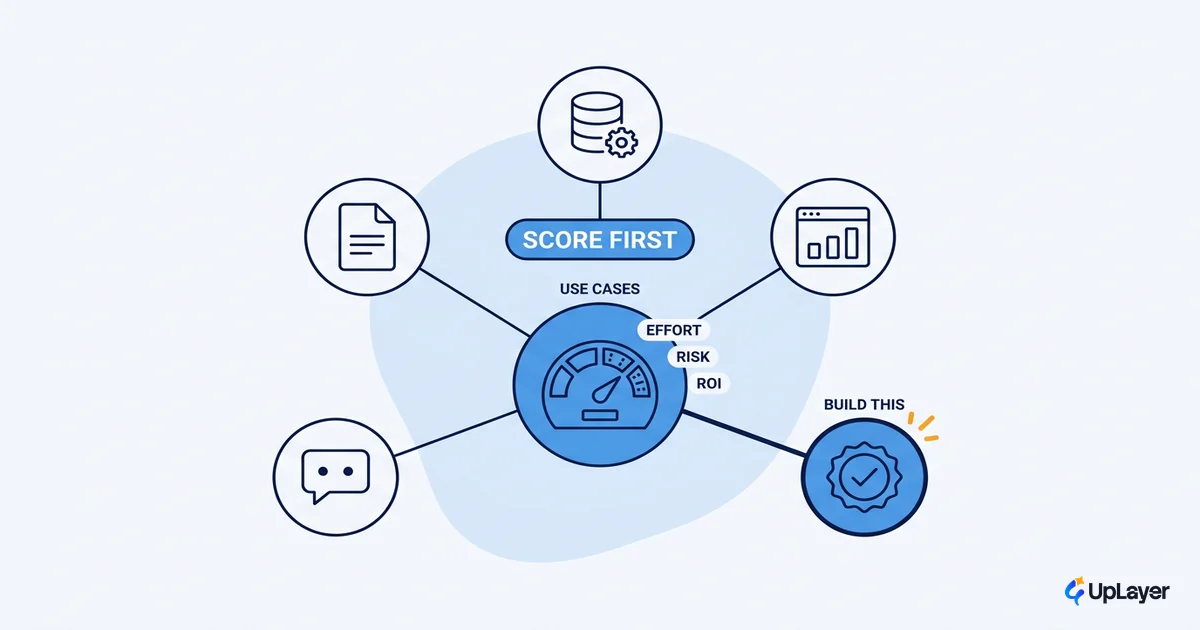
AI automation use cases for SaaS teams
A scored shortlist of AI automation use cases for SaaS teams, ranked by effort, risk, and projected ROI, so you build the one use case that actually pays back.
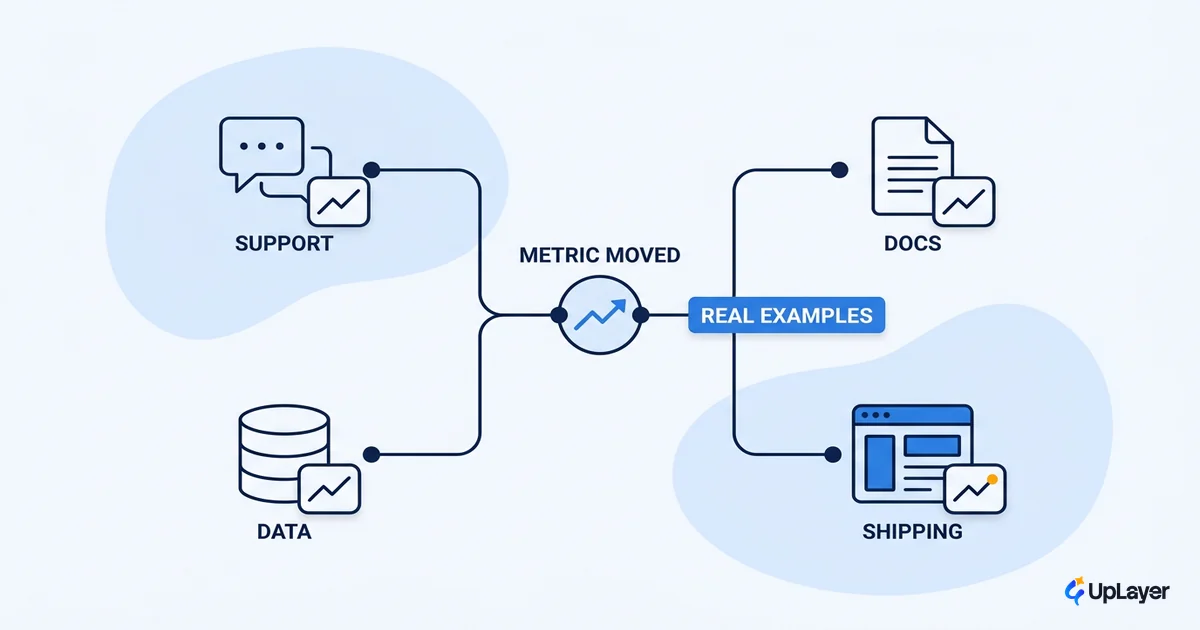
AI workflow automation examples that ship value
Real AI workflow automation examples, each tied to the metric it moved and the money it saved, plus a simple filter for the ones that flop before you build.
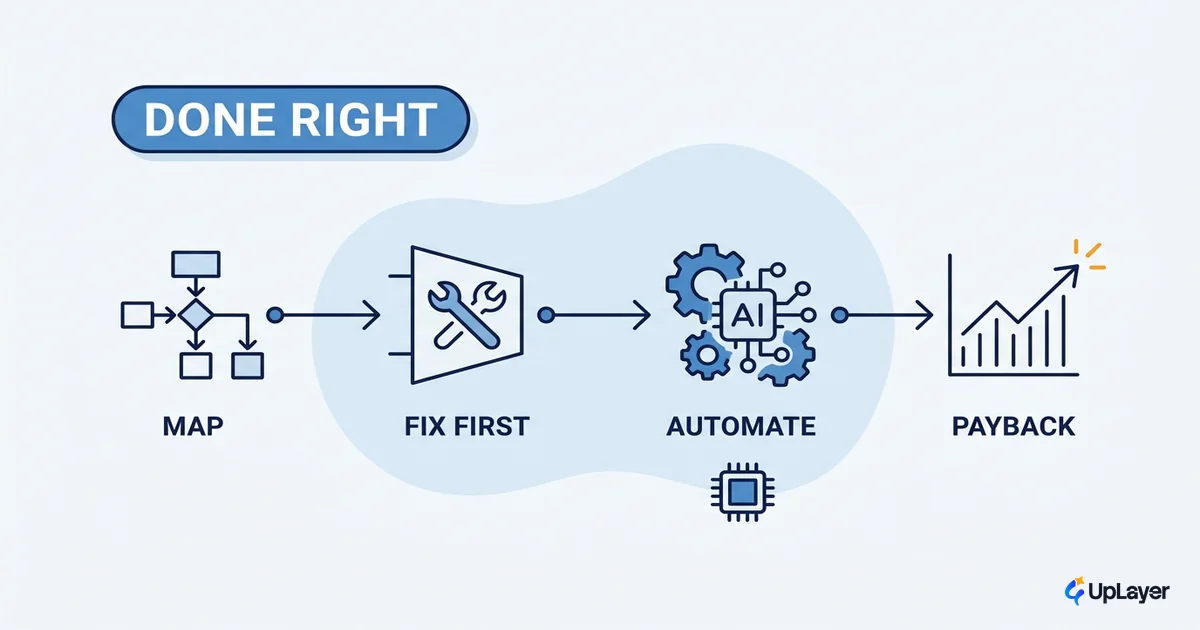
Business process automation with AI, done right
Business process automation AI fails when you skip the map. Sequence it to de-risk operations, tie every step to a metric, and prove the payback first.
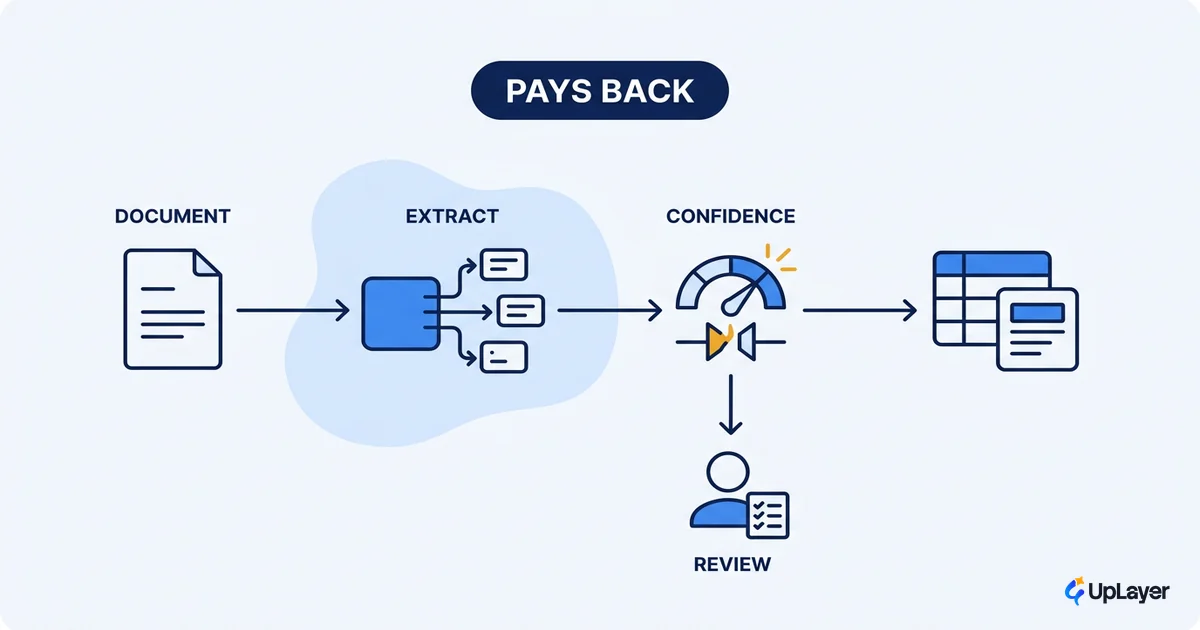
AI document automation that actually pays back
AI document automation works when a task moves a metric you track and the accuracy clears the bar. Here is how to scope it, gate it, and project the ROI.
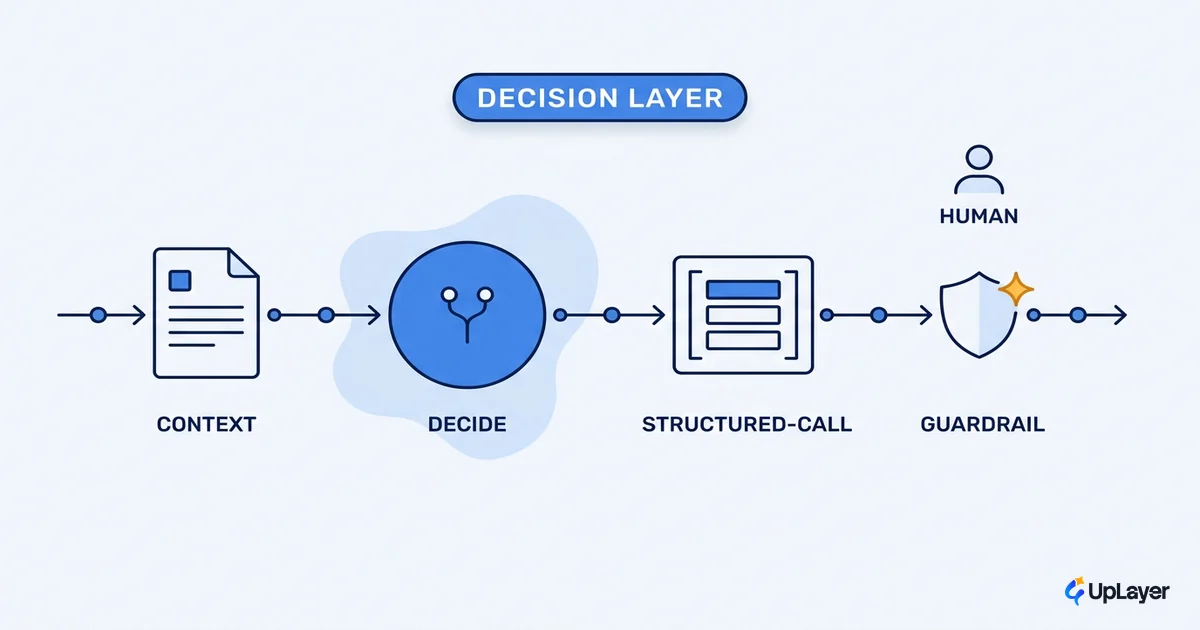
How AI powered workflow automation actually works
AI powered workflow automation is a decision layer, not a faster macro. Here is how it actually decides, where it breaks, and where a human stays in the loop.
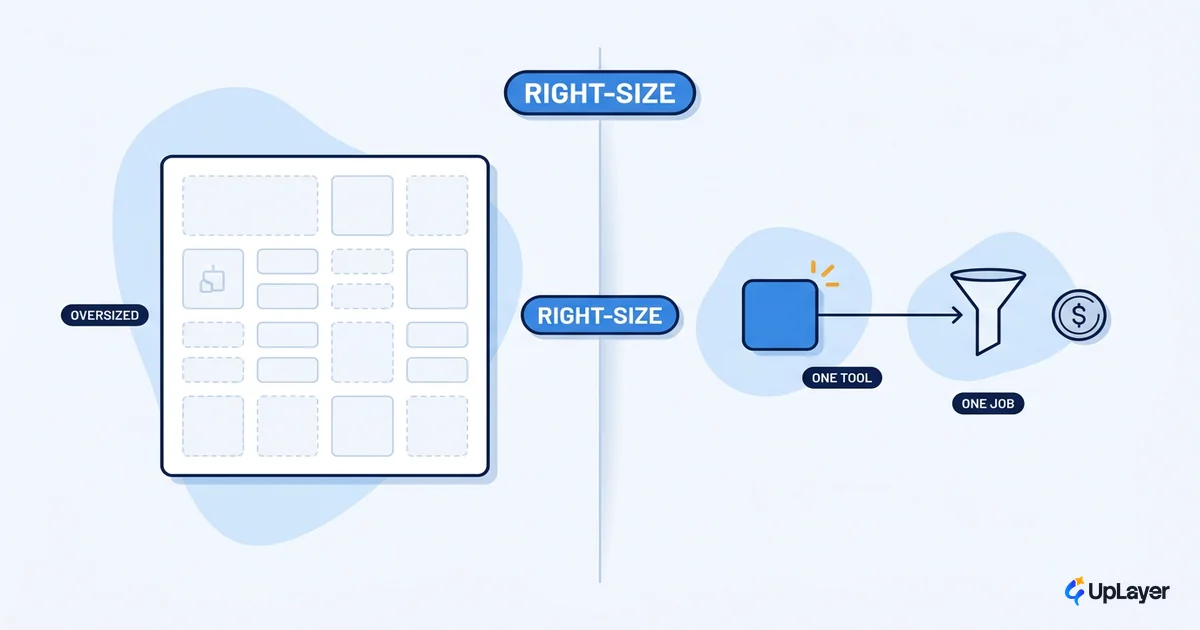
AI workflow automation software for small teams
Right-size AI workflow automation software for a lean team: compare the tools, price the true cost, and keep every dollar of spend tied to a real payback.
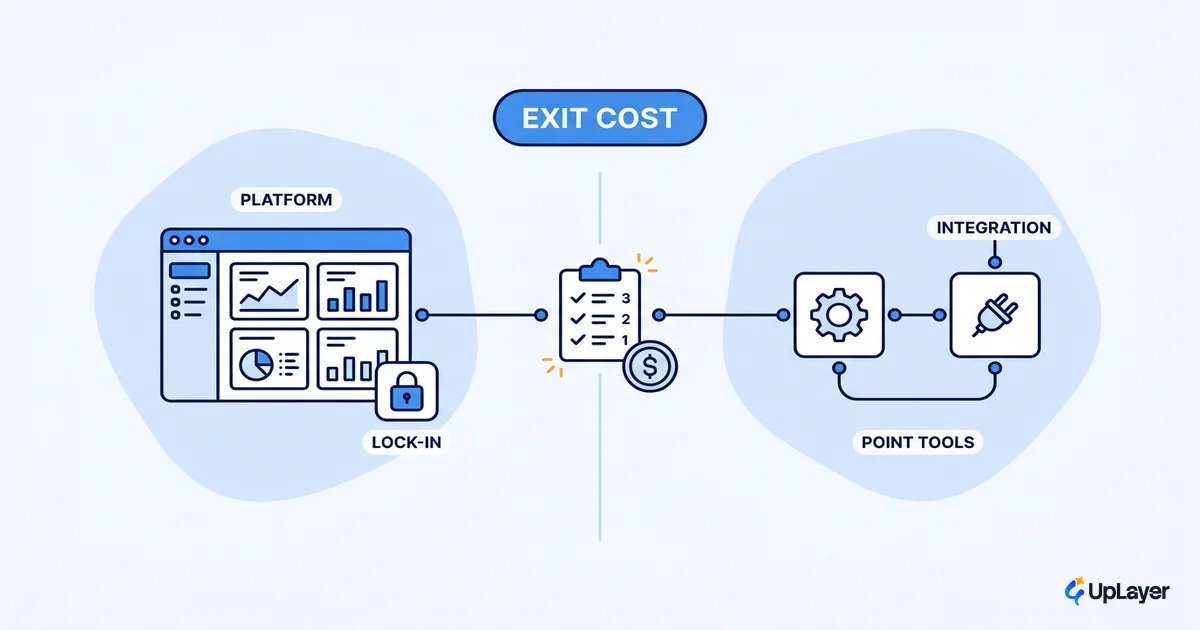
Picking an AI workflow automation platform
How to choose an AI workflow automation platform without lock-in: a real comparison framework, the exit-cost test, and when point tools win.
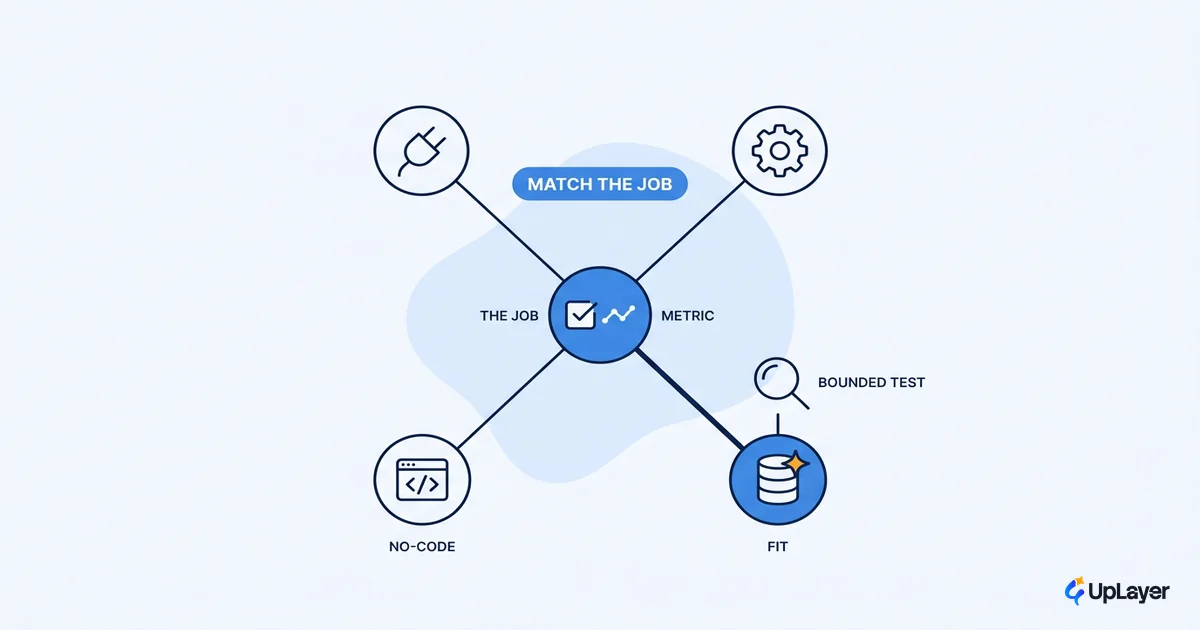
How to choose AI workflow automation tools
A calm, metric-first way to choose AI workflow automation tools: match the tool to the job and the number you already track, not the longest feature list.
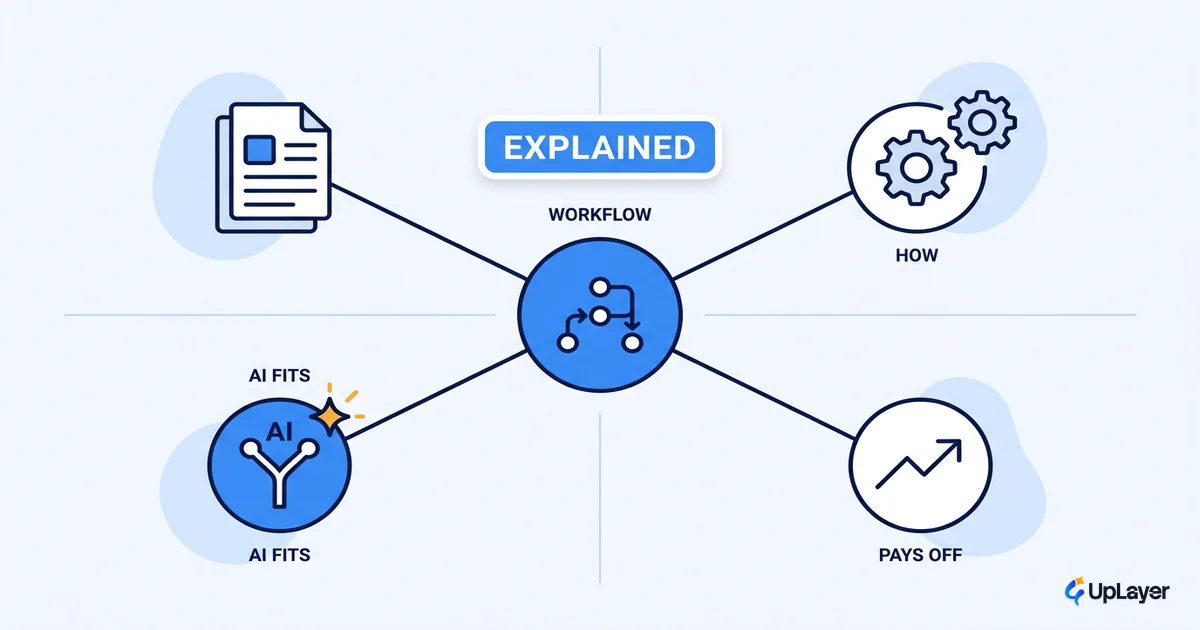
AI workflow automation explained for founders
AI workflow automation, explained without the hype: what it is, how it works, where AI actually fits in a workflow, and how to know it pays off.
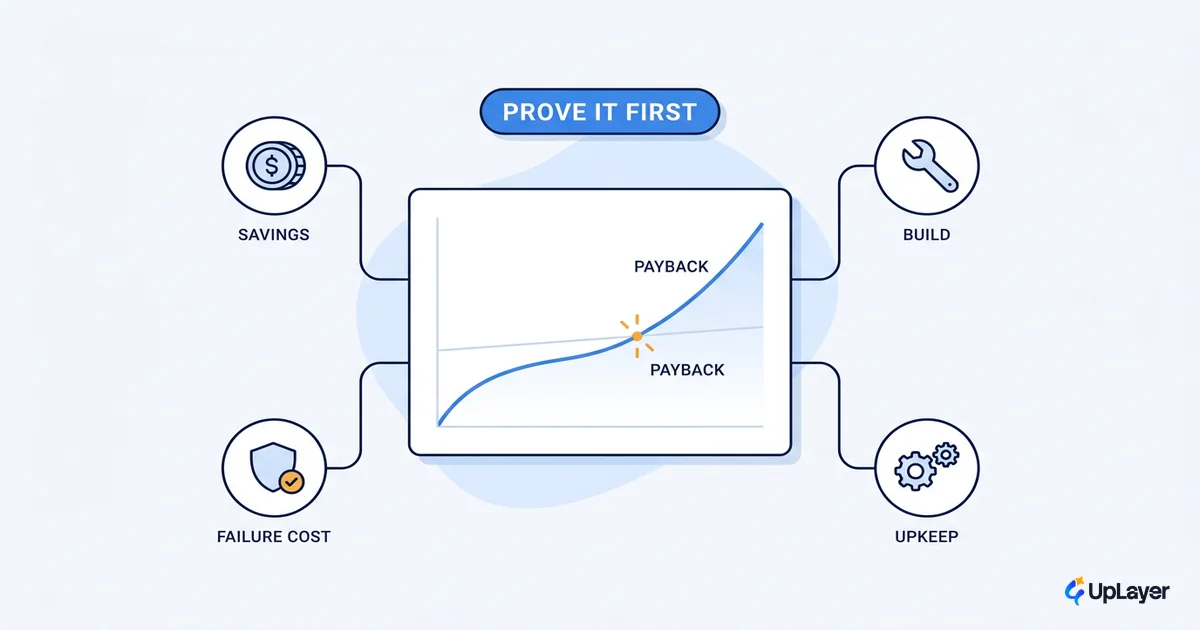
AI automation ROI for SaaS teams: prove it first
A founder's working model for AI automation ROI: how to project, measure, and defend the return on an AI workflow before you spend a dollar building it.
AI Copilots & Assistants
20 articles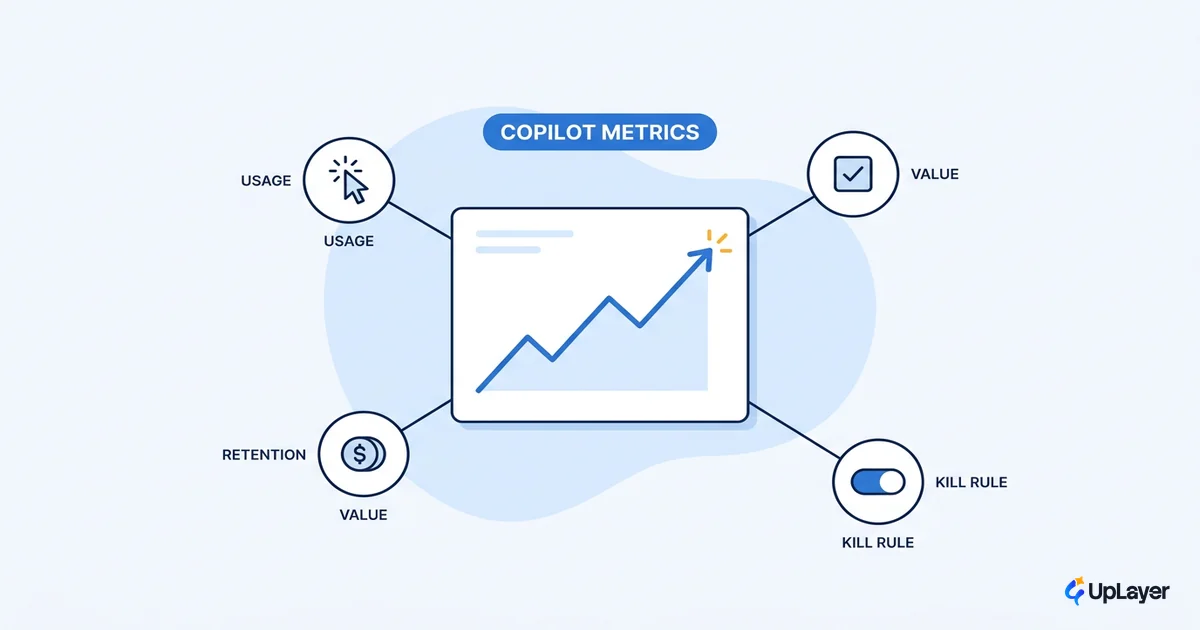
AI copilot metrics that prove the feature works
AI copilot metrics most teams track measure usage, not value. Here is the four-layer model and the kill rule that tell you to double down or retire.
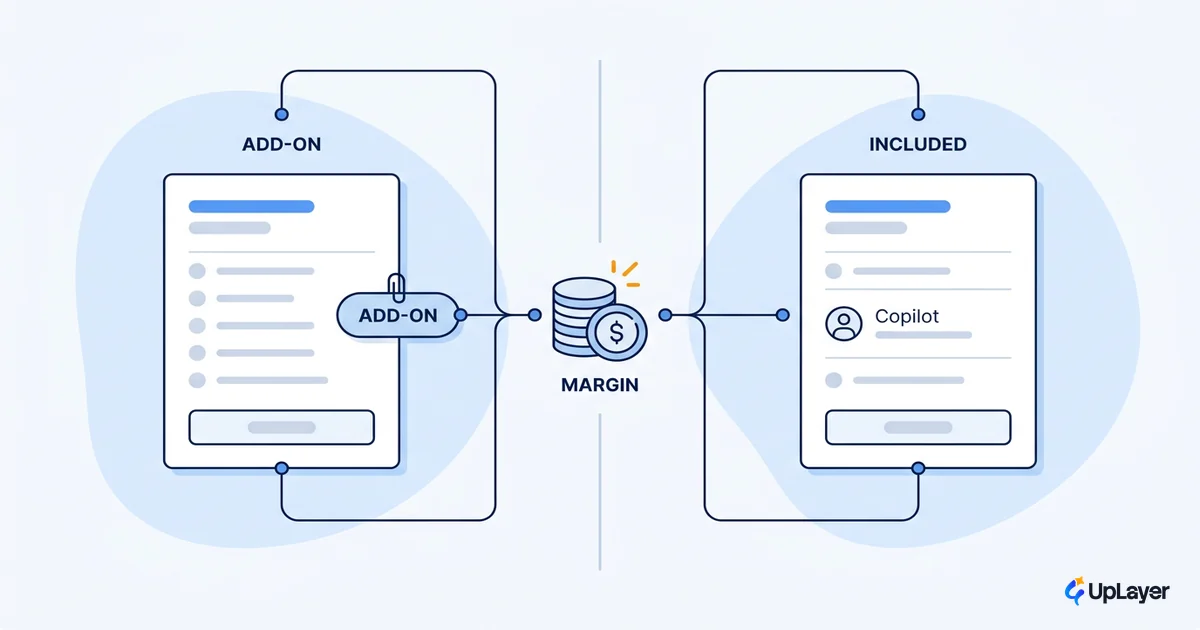
AI copilot pricing: add-on or in the base plan
AI copilot pricing is a margin and expansion decision, not a packaging fashion. A clear point of view on add-on vs included, tied to a metric you already track.
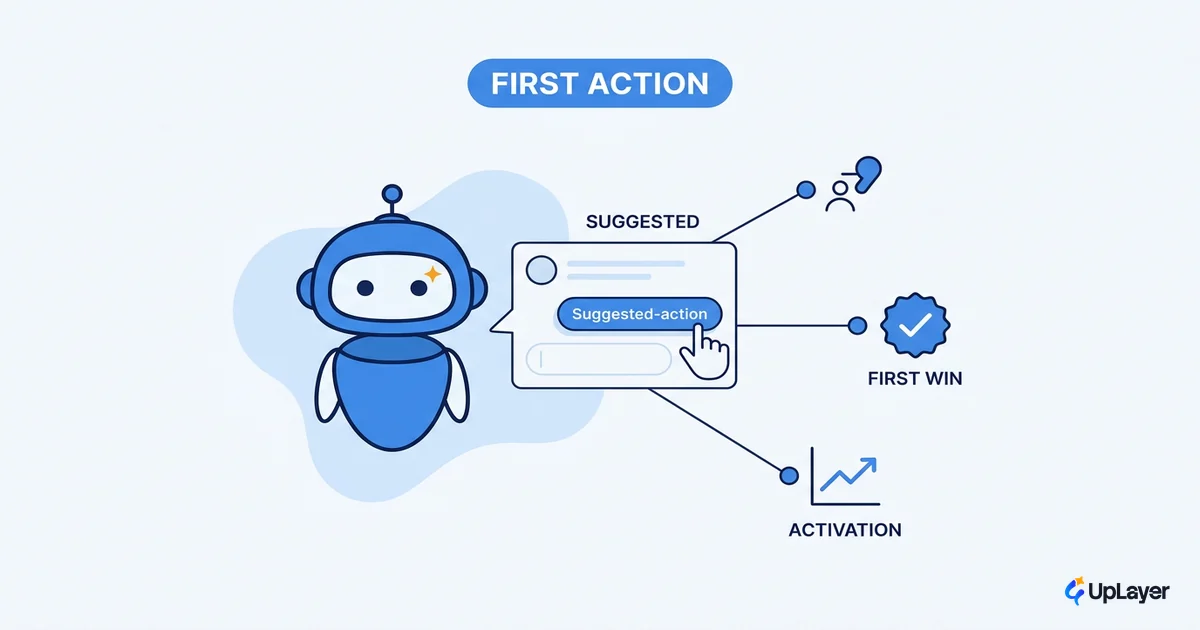
Copilot onboarding that gets the first action done
Copilot onboarding fails when users hit a blank prompt. Design it around one obvious first win that moves activation fast, not a tour of every feature.
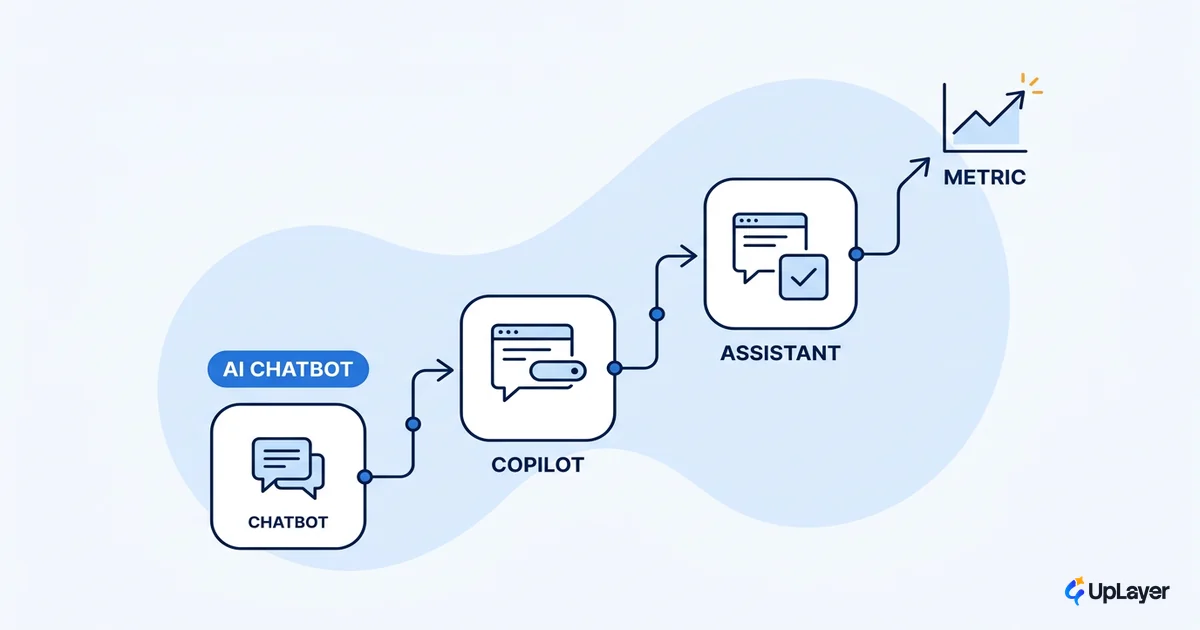
AI chatbot for SaaS that does more than answer FAQs
An AI chatbot for SaaS that only deflects tickets hits a ceiling. Here is the line between a chatbot, a copilot, and an assistant that moves a metric.
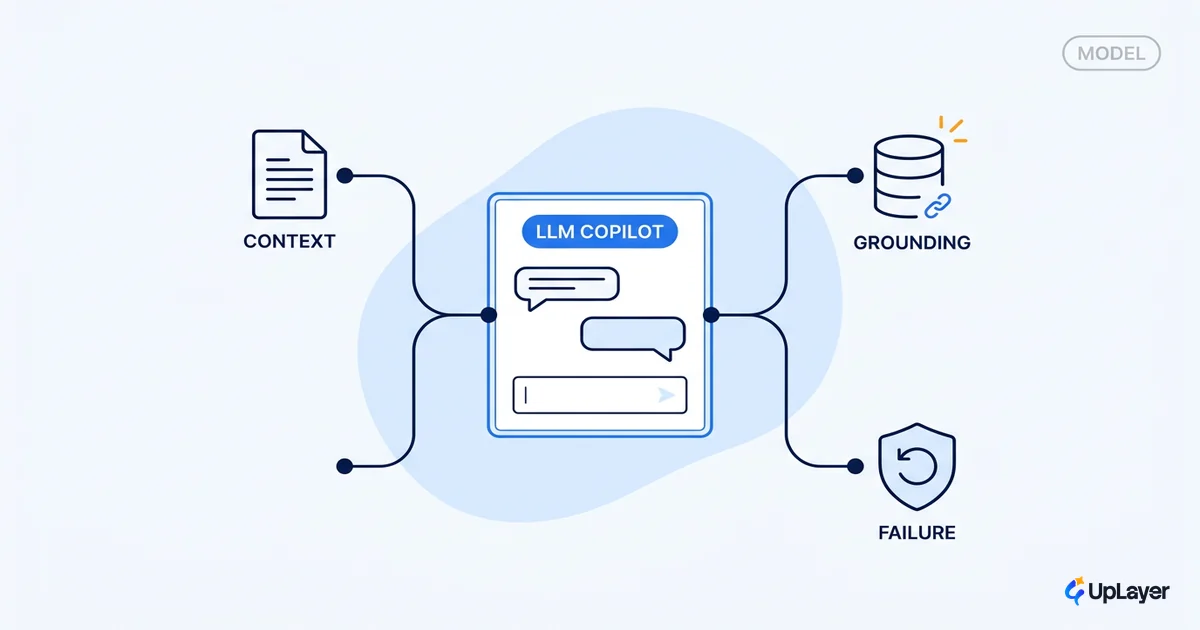
LLM copilot design choices that shape the experience
An LLM copilot is decided by context, grounding, and failure handling, not the model. Here are the design choices that make a copilot users trust.
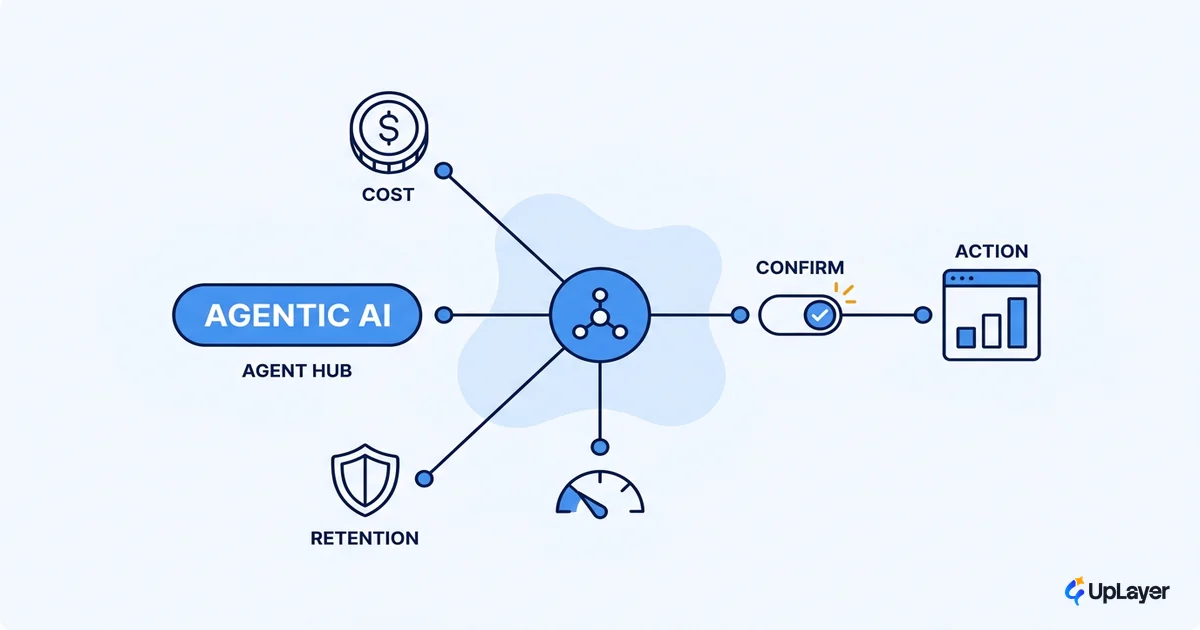
Agentic AI SaaS without the autonomy hype
Agentic AI SaaS is a cost decision before a capability one. Where autonomy pays off, where a confirmation step protects retention, and what to never ship.
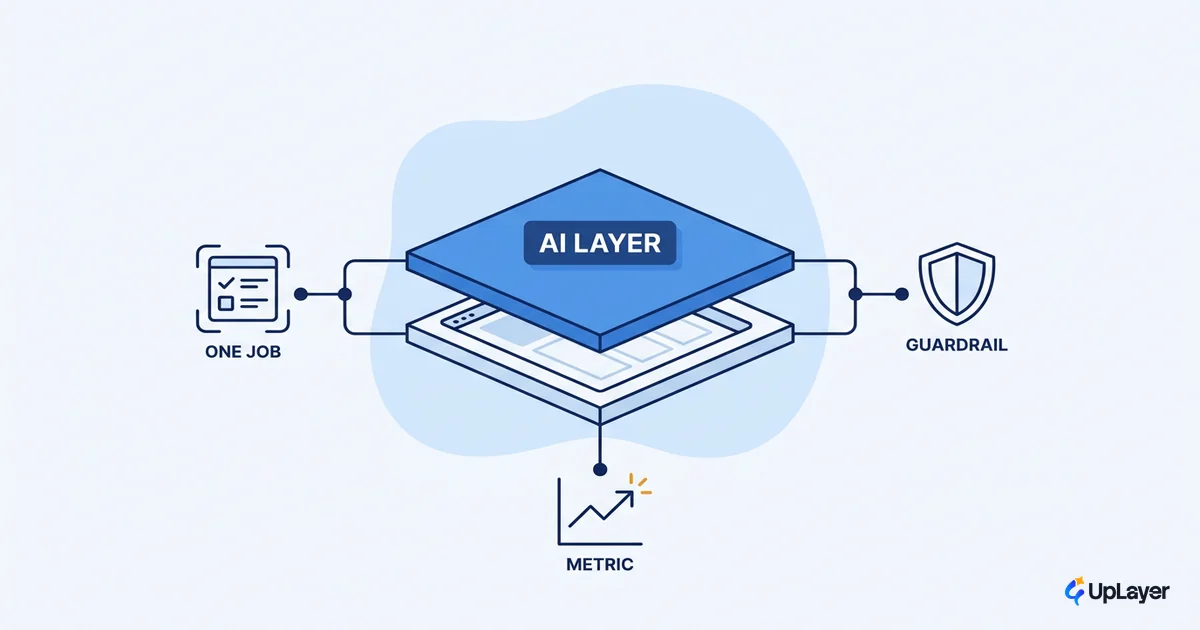
AI agent for SaaS that supports, never replaces
An AI agent for SaaS earns its place as a supportive layer scoped to one bounded job, with guardrails and a metric. Here is where it fits and what to avoid.
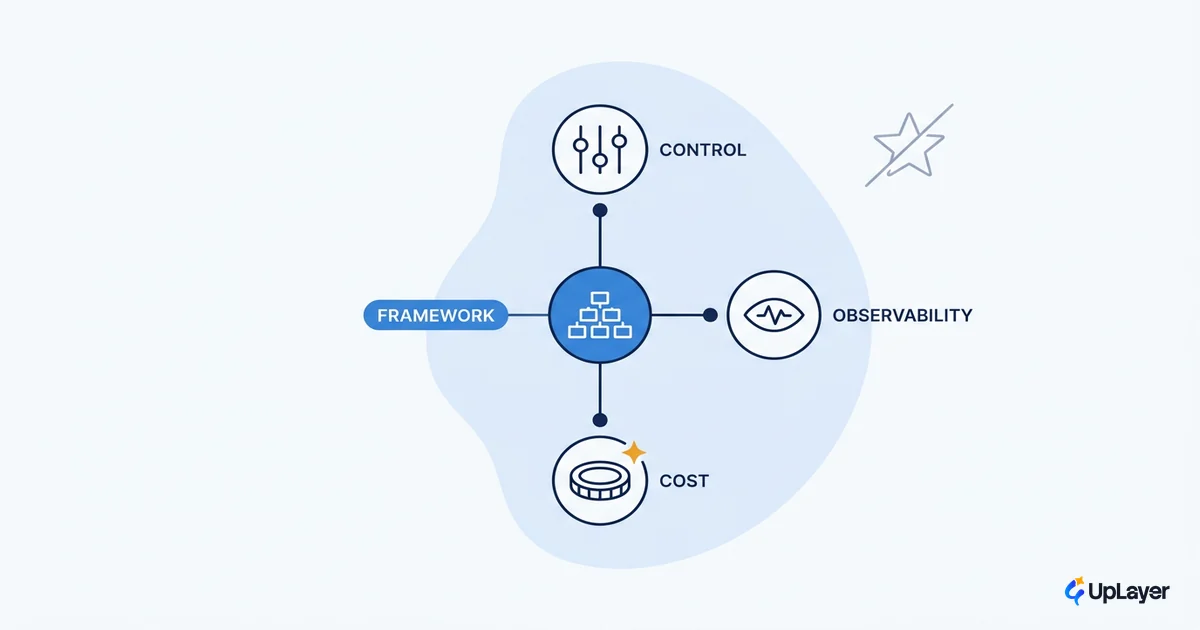
Choosing an AI agent framework as a product call
How to choose an ai agent framework by product constraints (control, observability, cost) instead of GitHub stars, written for the team that owns the roadmap.
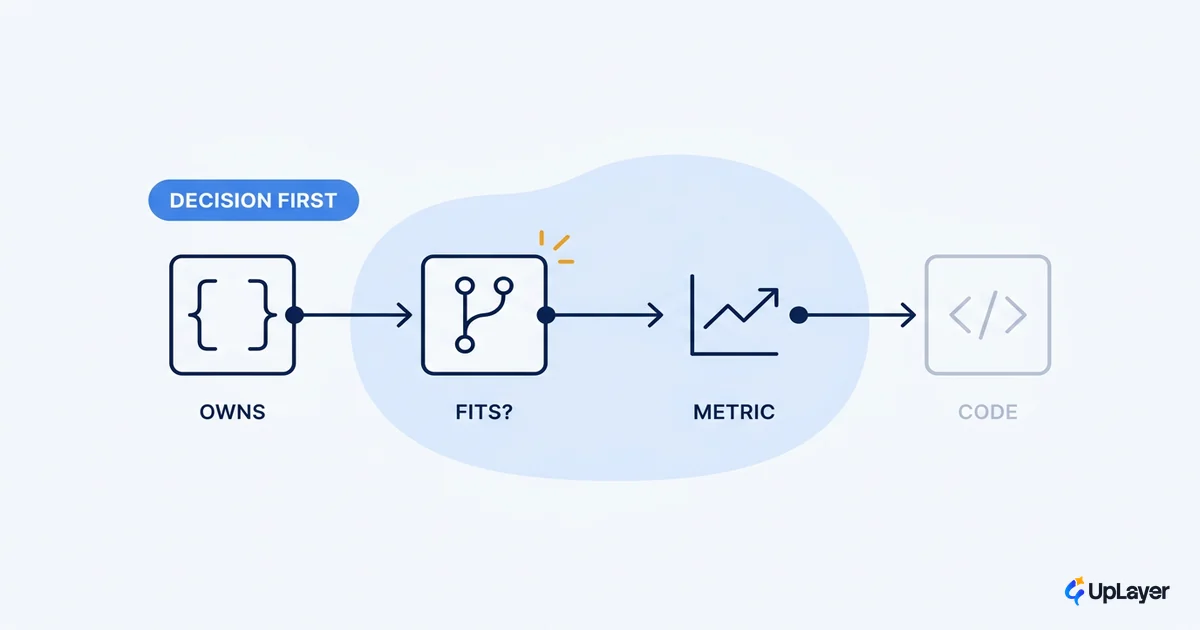
How to build an AI agent, the decision before the code
How to build an AI agent for a SaaS starts with a product decision, not a framework: what it owns, whether an agent fits, and what metric proves it.
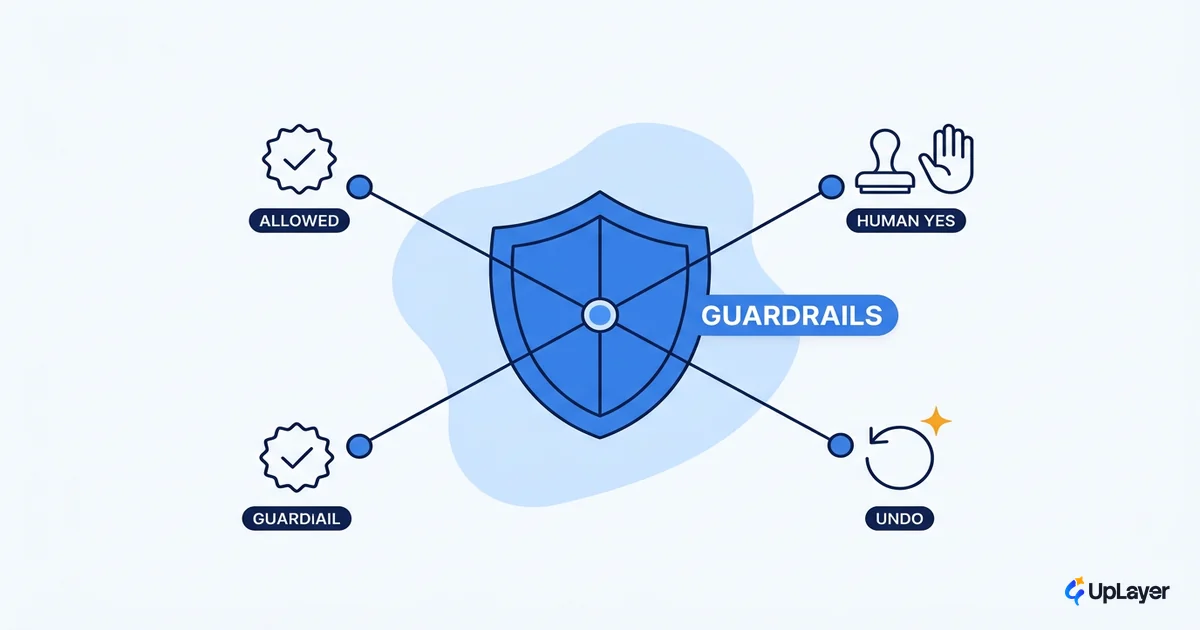
AI agent guardrails that keep a copilot in bounds
AI agent guardrails decide what your copilot can touch, what needs a human yes, and what you can undo. A product approach for B2B SaaS teams.
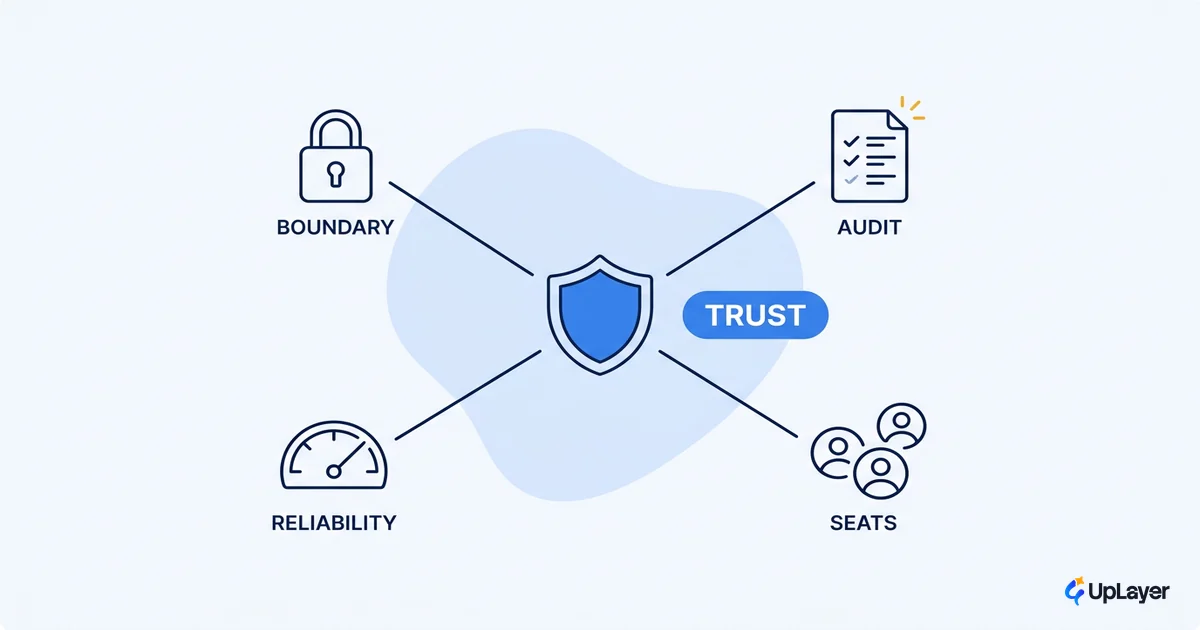
AI assistant for B2B SaaS without breaking trust
An AI assistant for B2B SaaS lives or dies on trust. Here are the data boundaries, audit trails, and reliability guardrails that decide whether it gets adopted.
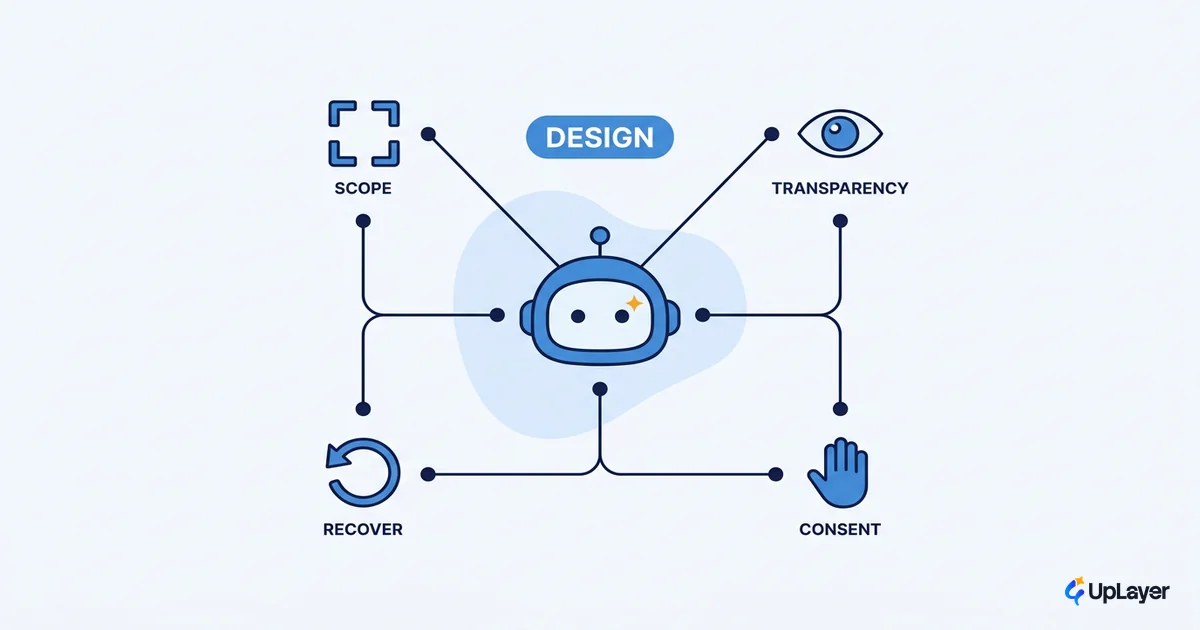
AI assistant design principles for product teams
AI assistant design comes down to four principles: scope, transparency, recoverability, and consent. A field guide for B2B SaaS product teams.
AI Product & UX Design
Design a copilot people come back to
Most copilots fail on the second use, not the first. The difference is interaction design, not the model.
See how we design AI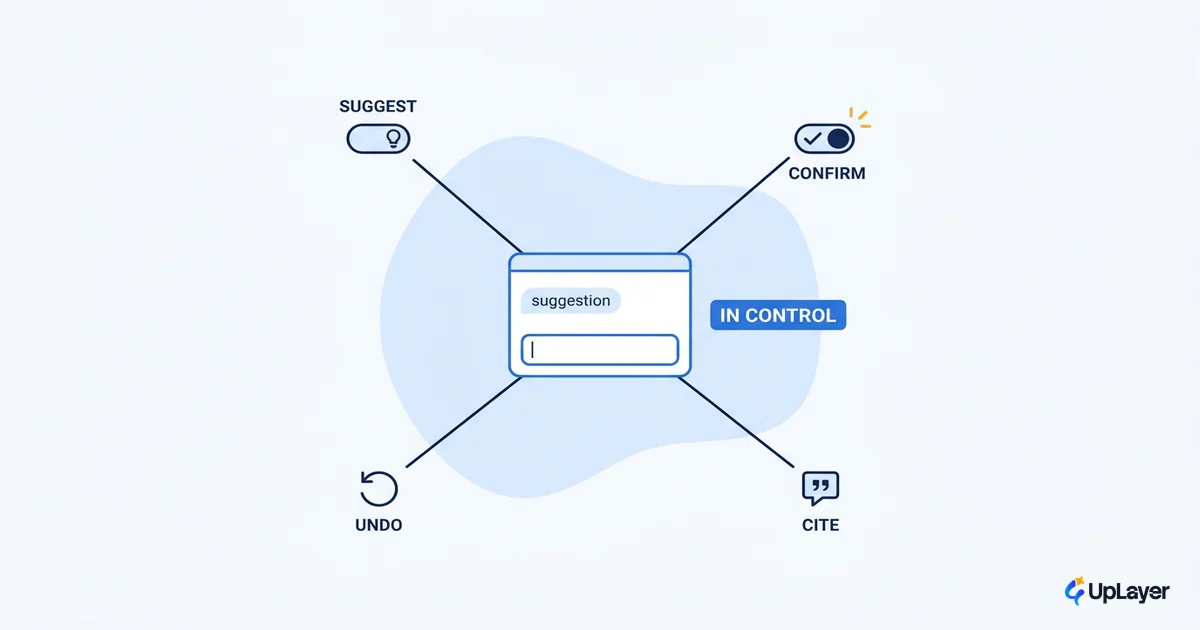
AI assistant UX patterns that keep users in control
A working catalog of AI assistant UX patterns (suggest, confirm, undo, cite) for B2B SaaS teams who want adoption and trust, not just an abandoned widget.
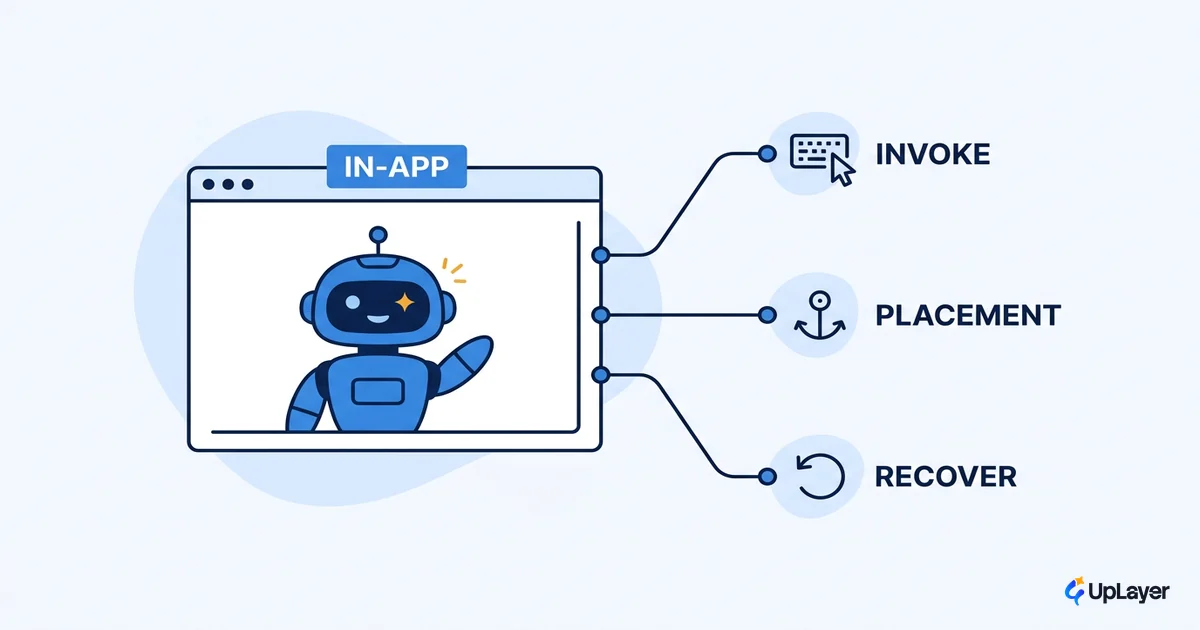
Designing an in-app AI assistant your users trust
How to design an in-app AI assistant with placement, invocation, and recovery patterns that feel native to your product and move a metric you already track.
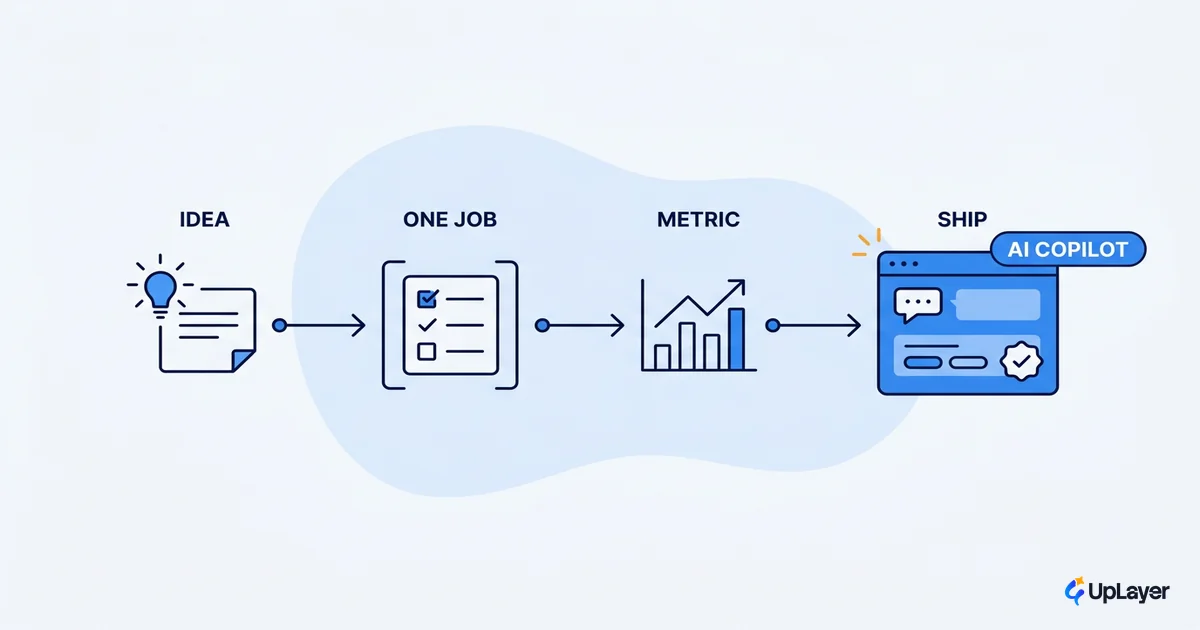
AI copilot for SaaS, from idea to a feature that ships
An AI copilot for SaaS earns its place when it does one job well enough to move a metric you already track. Here is the scoping path that gets it to ship.
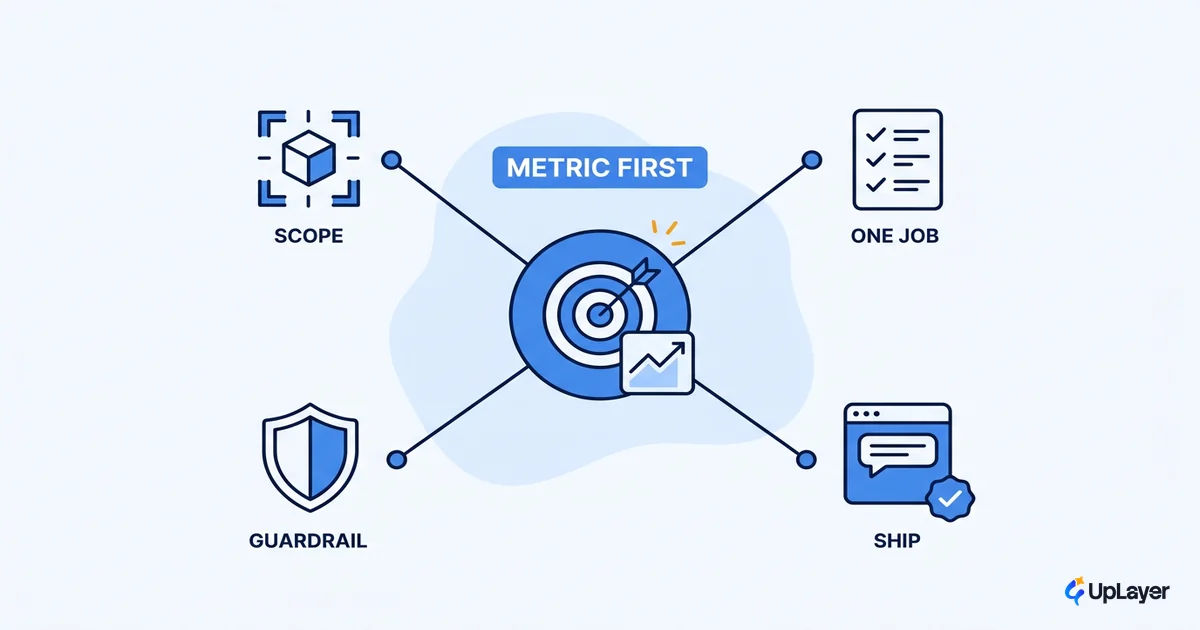
Building AI copilots that move a metric, not a demo
Building AI copilots that actually get used means scoping them to a metric you already track, before you write any code. Here is the method that works.
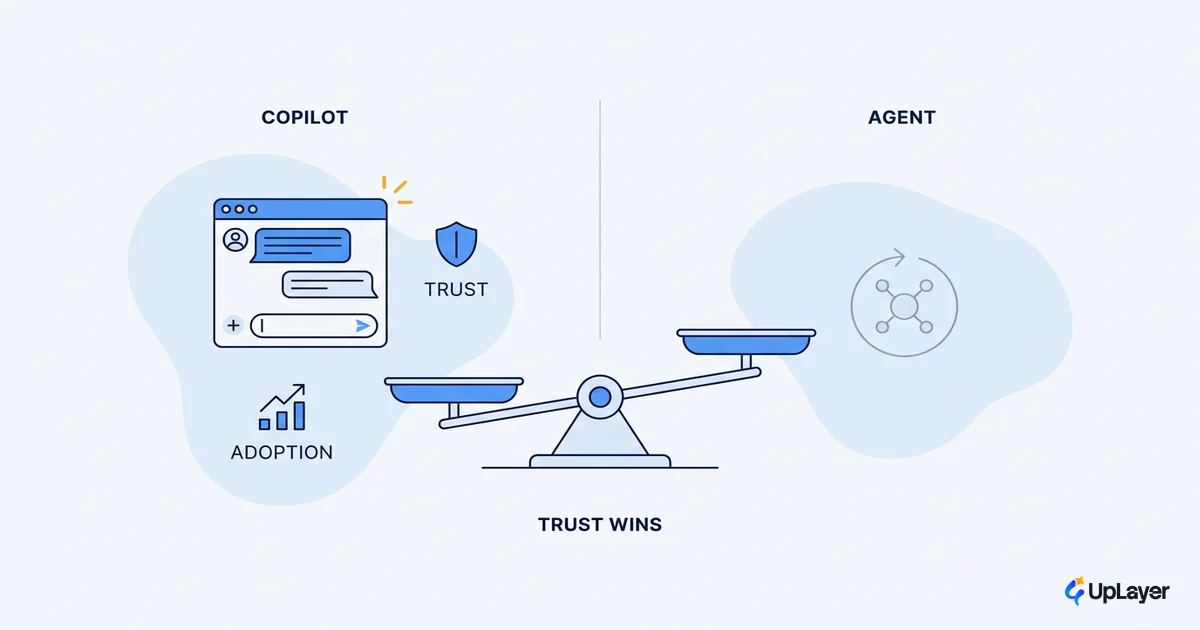
When a product copilot beats an agent for your SaaS
A product copilot beats an agent when trust, adoption, and support load matter more than autonomy. A field guide and a decision table for your SaaS feature.
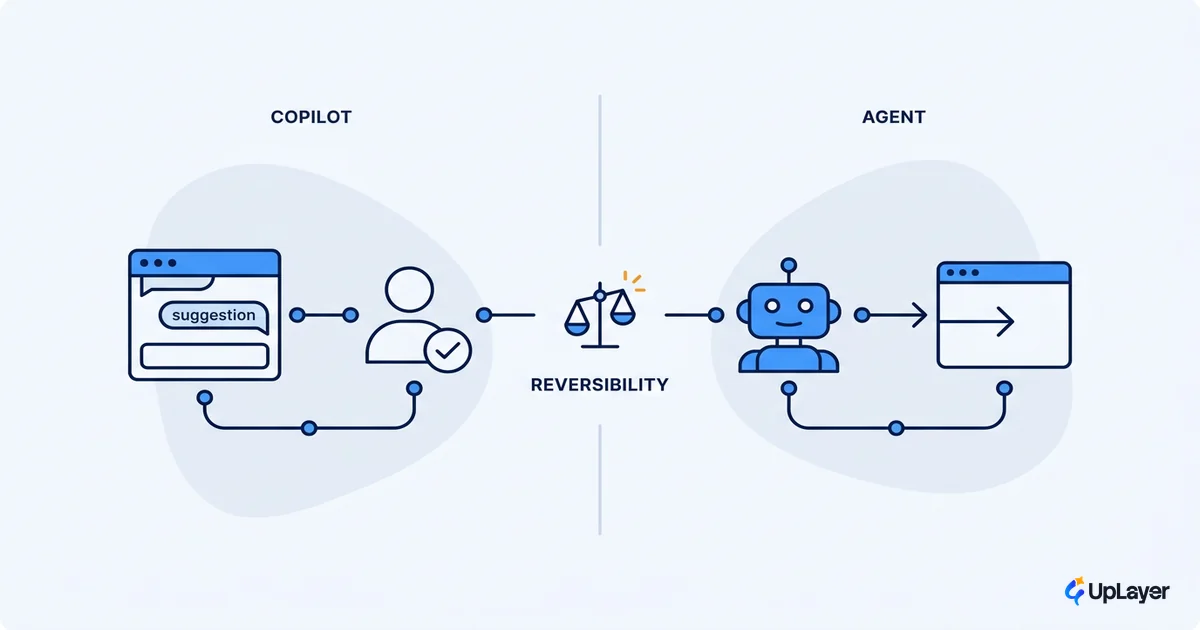
AI agent vs copilot: the product team's call
AI agent vs copilot is a risk decision, not a tech tier. Score the work by reversibility and the cost of being wrong, then ship the least autonomy that works.
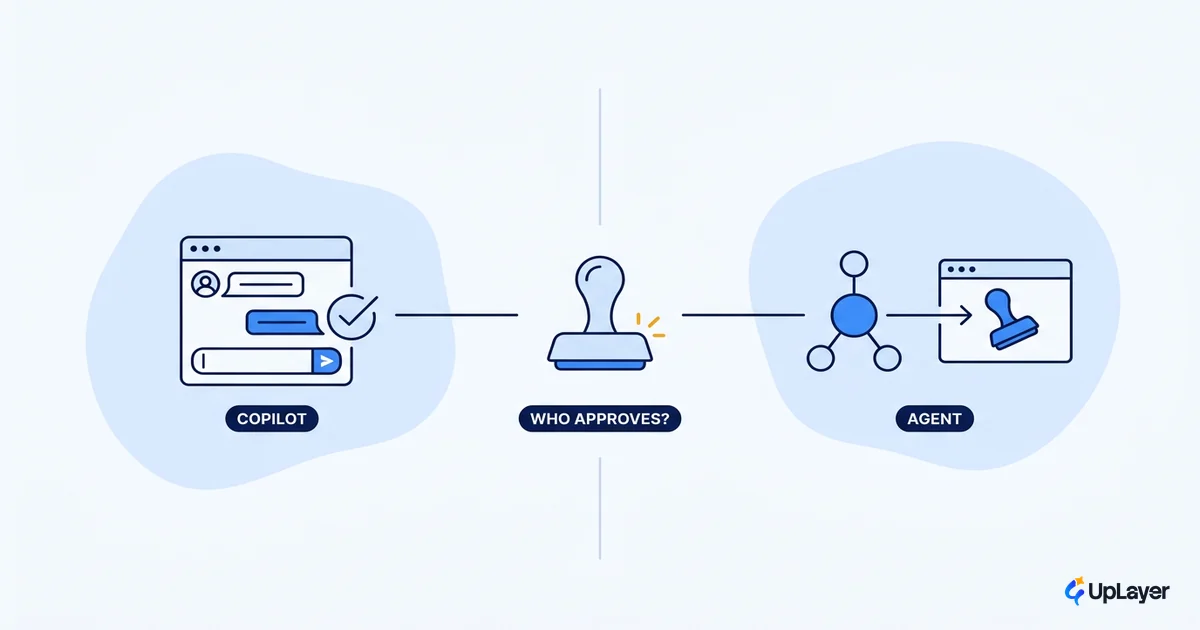
Copilot vs agent: which does your SaaS need
Copilot vs agent comes down to one question: who approves the action, the user or the AI? A decision framework for SaaS teams on scope, cost, and risk.
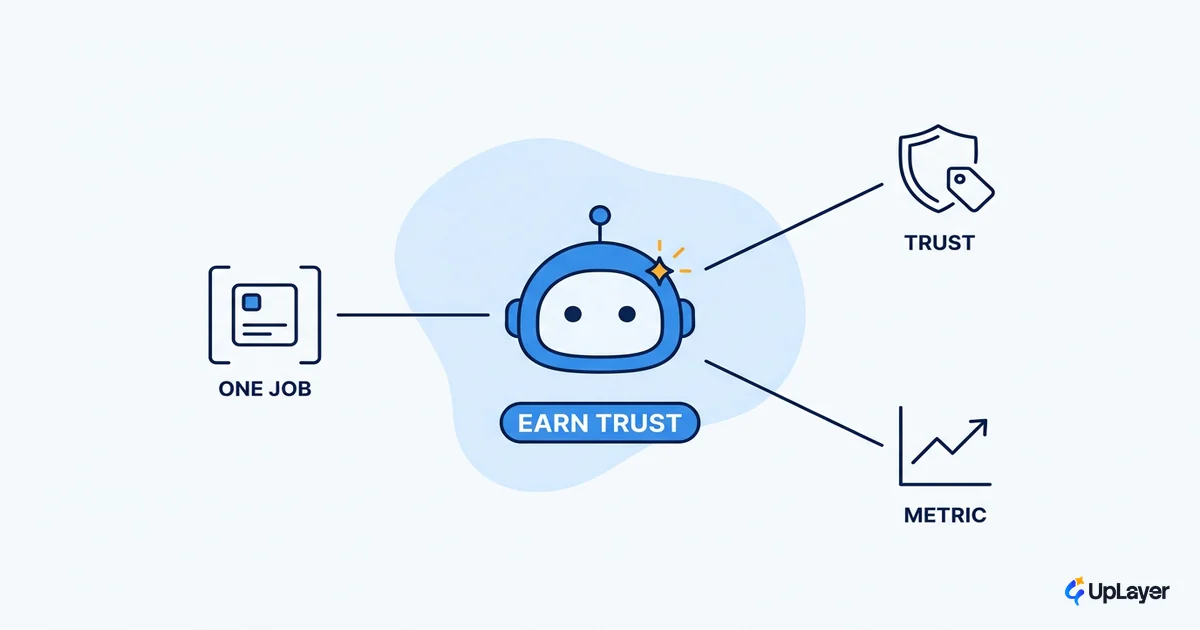
Designing AI assistants for B2B SaaS that earn trust
A product-led guide to designing AI assistants for B2B SaaS: where one fits, the trust signals it needs, and how to prove it moved a metric.
AI for SaaS & Features
26 articles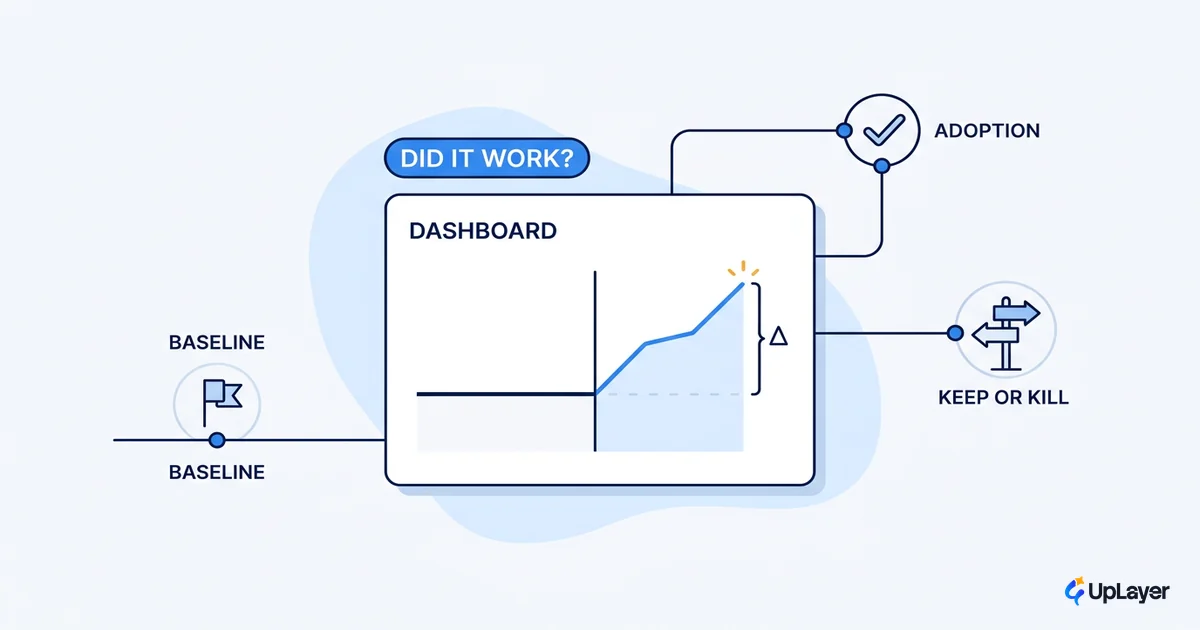
How to measure if an AI feature actually worked
Measuring AI feature impact is a before-after read on one metric, not a vibe. The post-launch loop that proves a feature moved the number you promised.
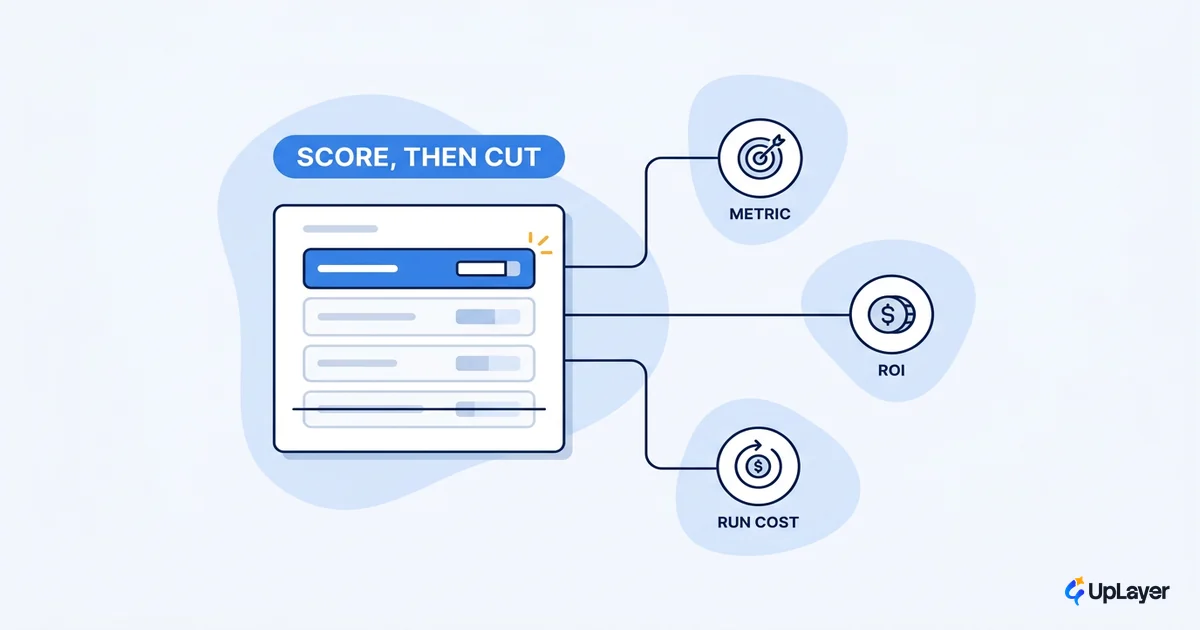
AI feature prioritization for your SaaS backlog
A scoring method for AI feature prioritization that ranks your SaaS backlog by projected ROI on a metric you already track, so impact wins over excitement.
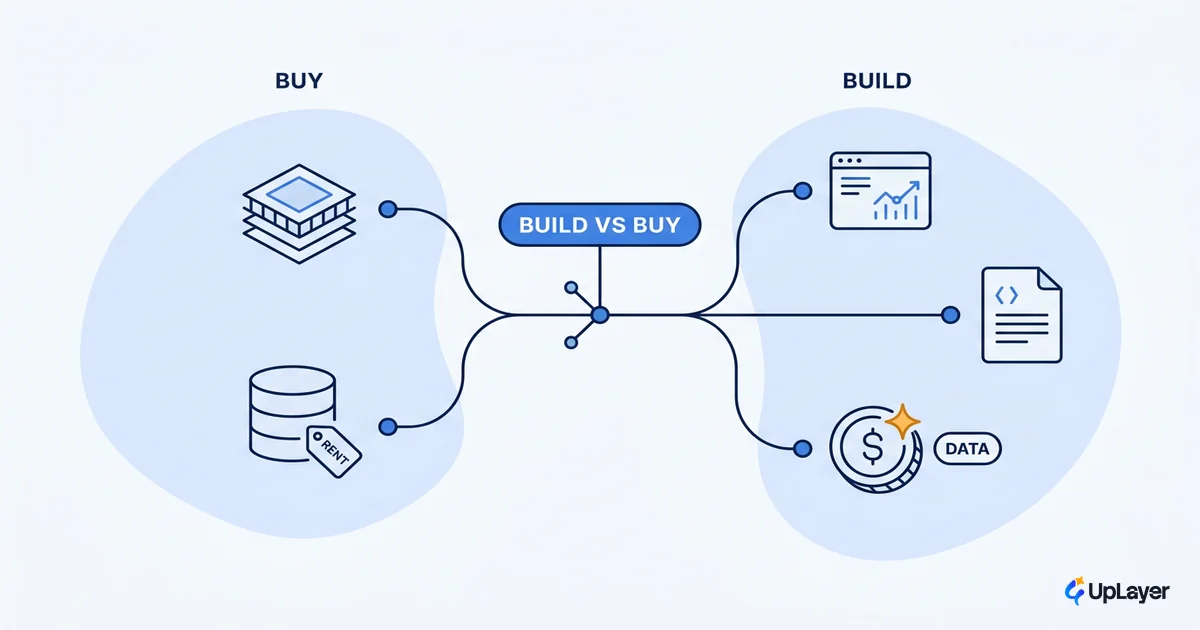
Build vs buy for AI features in your SaaS
A build vs buy AI features frame for SaaS: own the differentiating layer, rent the commodity model, and never lock a core flow to one vendor.
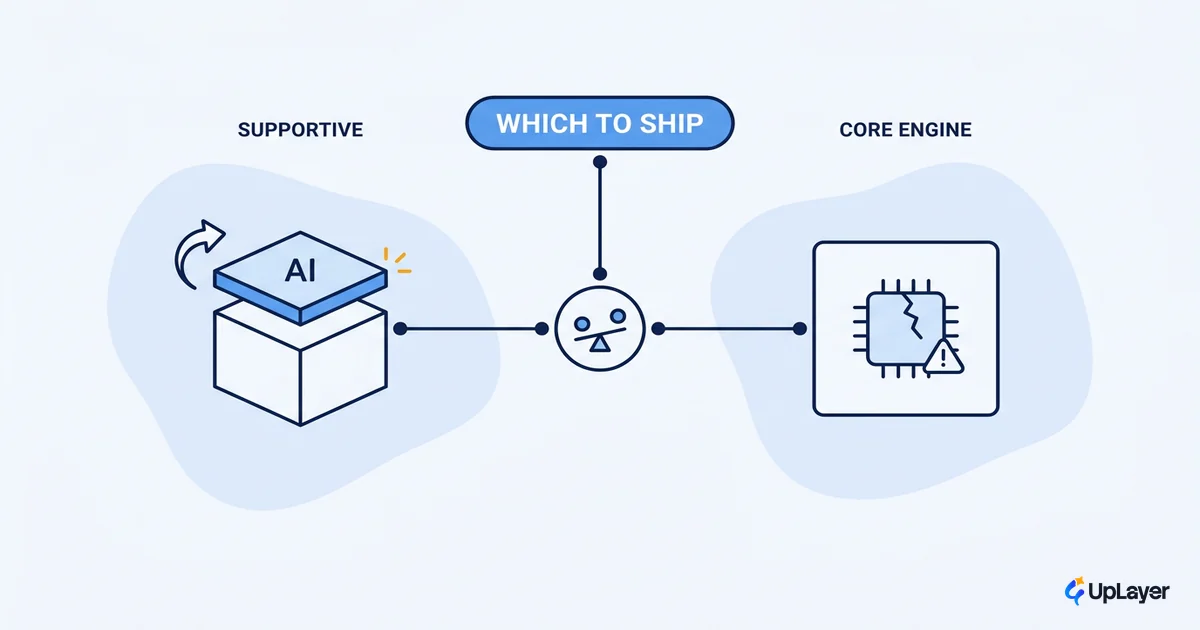
Supportive AI vs core-engine AI: which to ship
Supportive AI sits on top of your product as a helper, not the engine you bet the company on. See the difference from core-engine AI and which to ship.
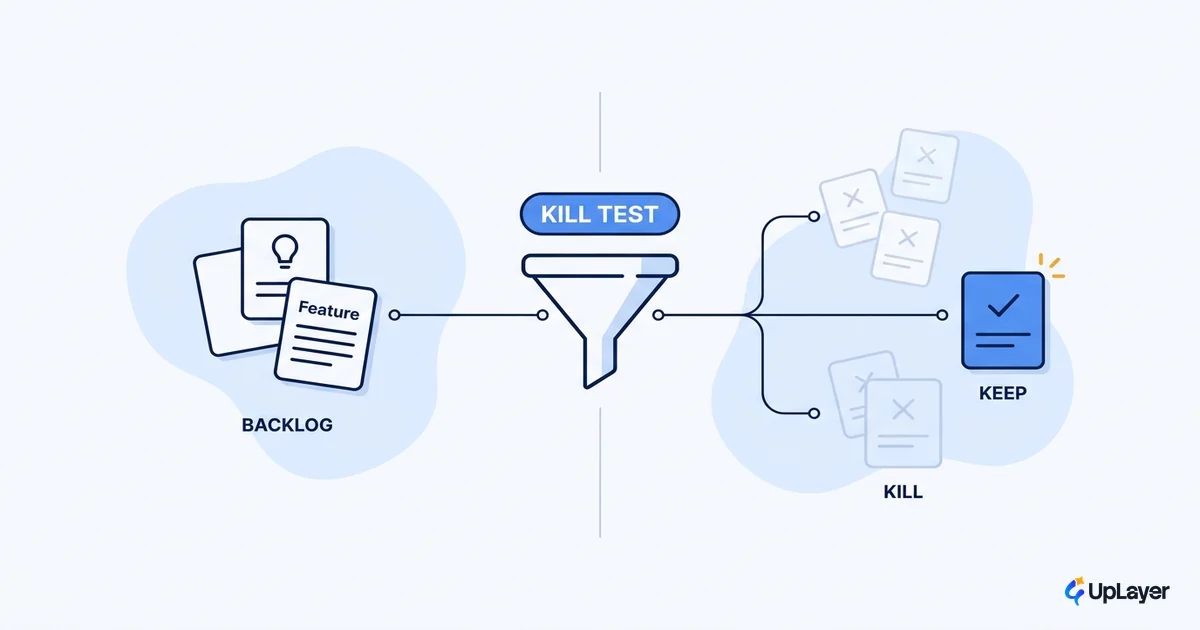
Which AI features to kill before you ship them
A pre-build kill test for SaaS teams: the signals that say an AI feature should die in planning, before the cost, and which AI features to kill first.
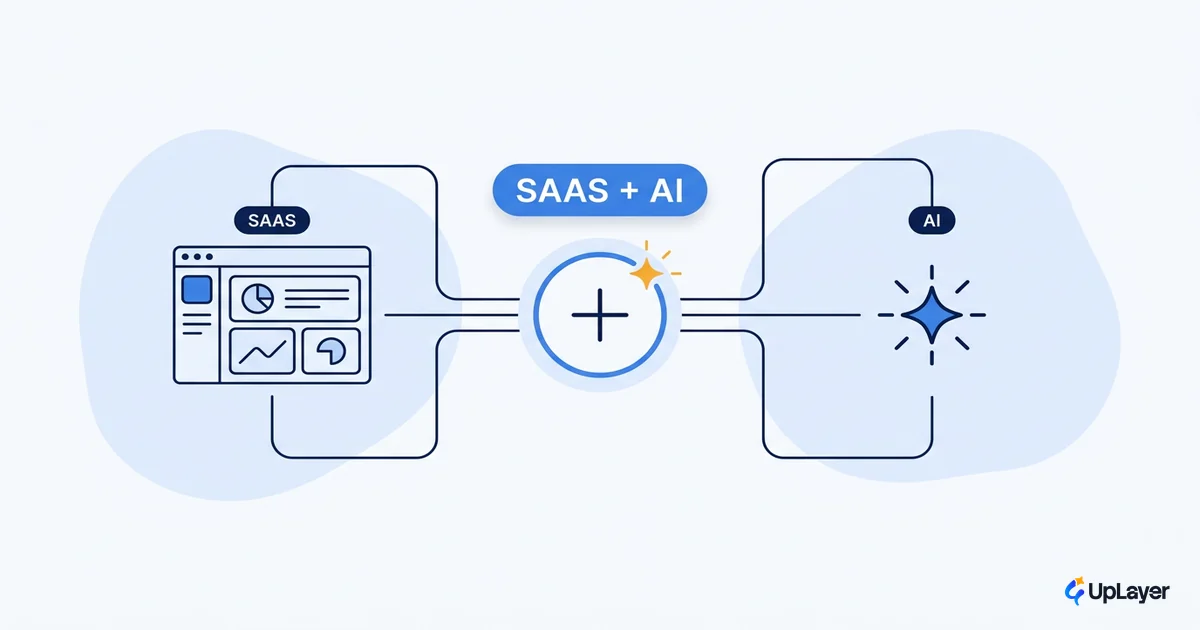
SaaS vs AI is the wrong question to be asking
SaaS vs AI is a false fight. AI is an input to software, not a rival. Here is the layer model for how the two fit, and what to ship on top of your core.
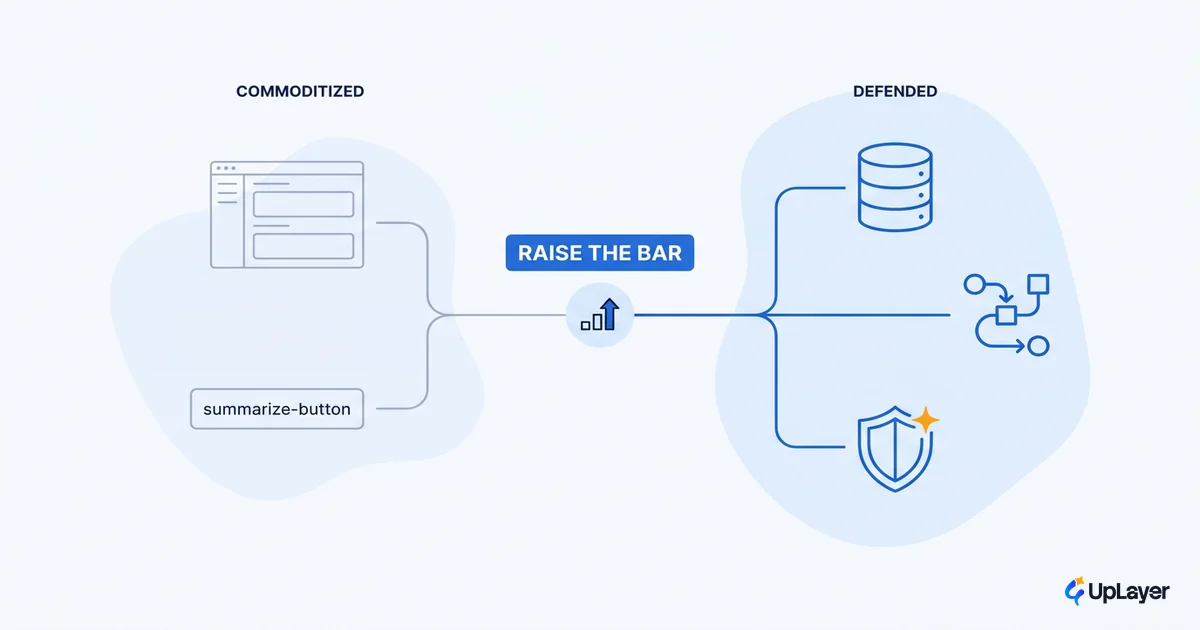
Will AI kill SaaS or just raise the bar
Will AI kill SaaS? No, but it commoditizes the undefended layers. Here is what gets eaten, where a product still wins, and what to ship in response.
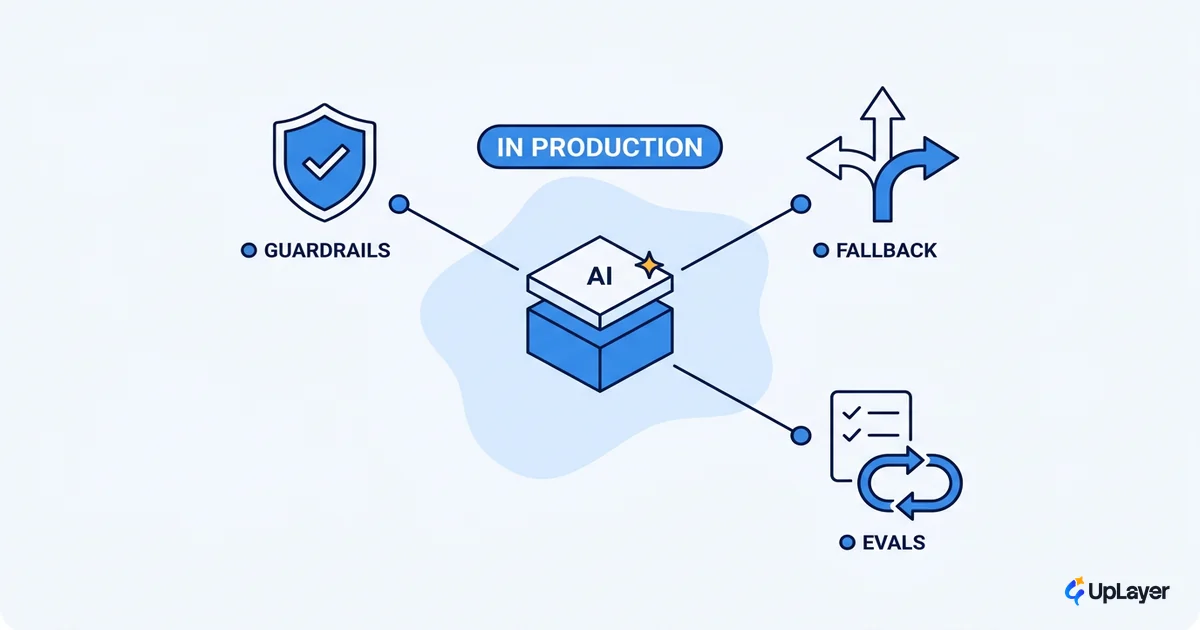
Building SaaS with AI without a science project
Building SaaS with AI is engineering, not a demo. The guardrails, fallbacks, and evals that keep AI features live in production under real load.
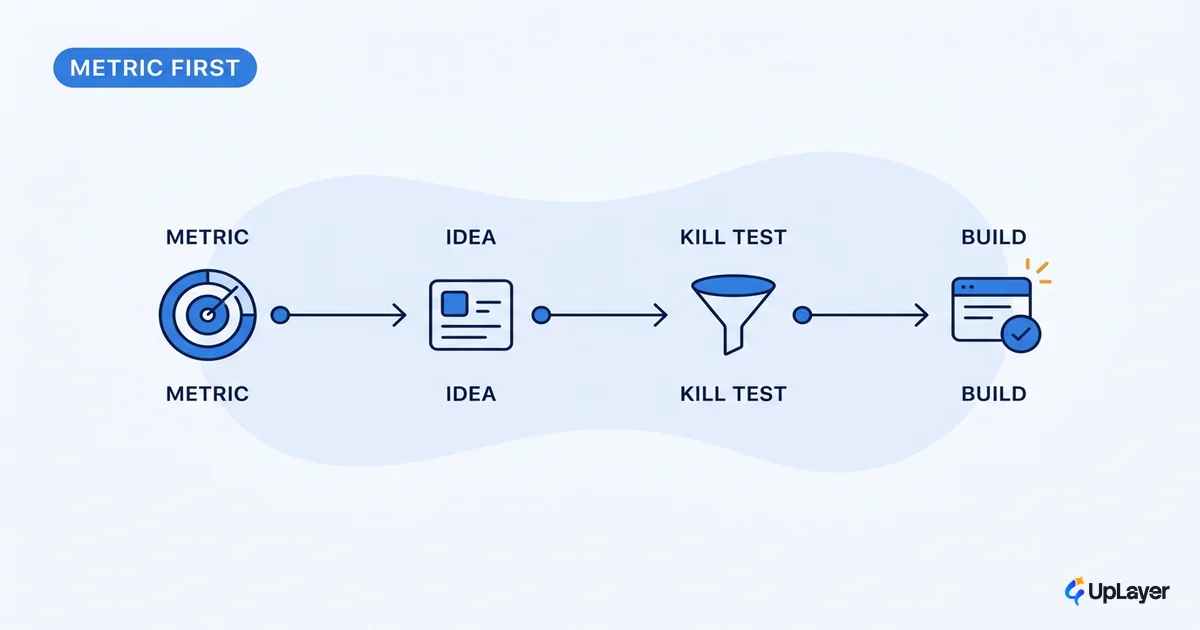
AI SaaS ideas that start from a metric, not a demo
Most AI SaaS ideas are demos in disguise. Here is a method for generating AI SaaS ideas from a metric you already track, then killing the ones that flop.
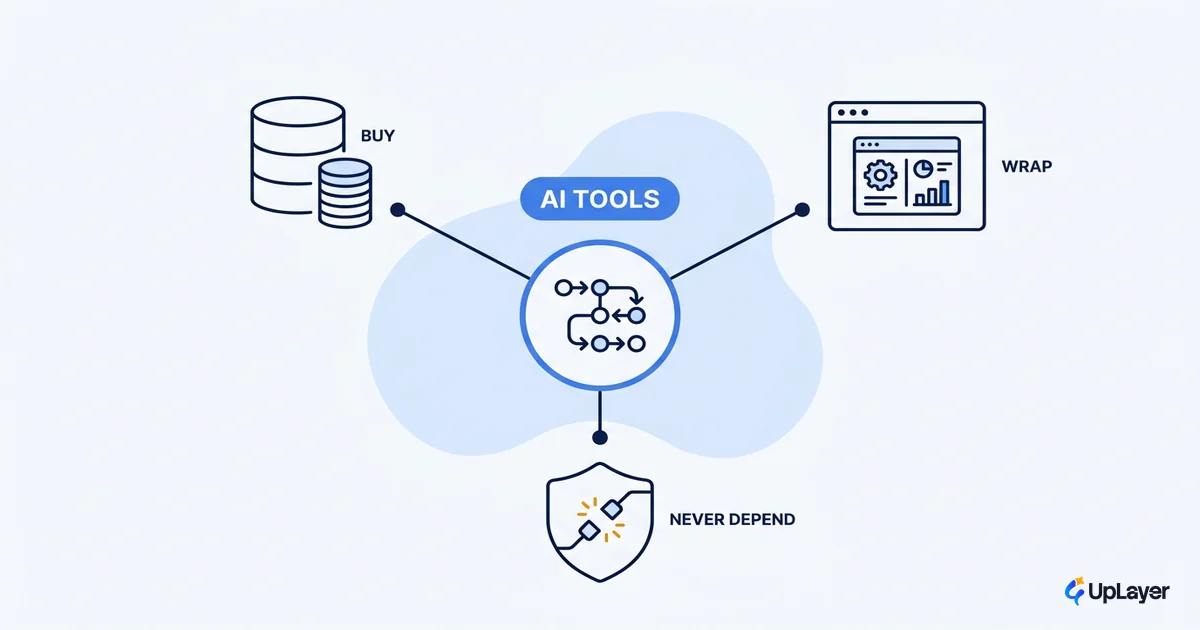
SaaS AI tools worth wiring into your product
A practical decision guide to SaaS AI tools: which to buy, which to wrap behind your own UX, and which you should never depend on for a core user flow.
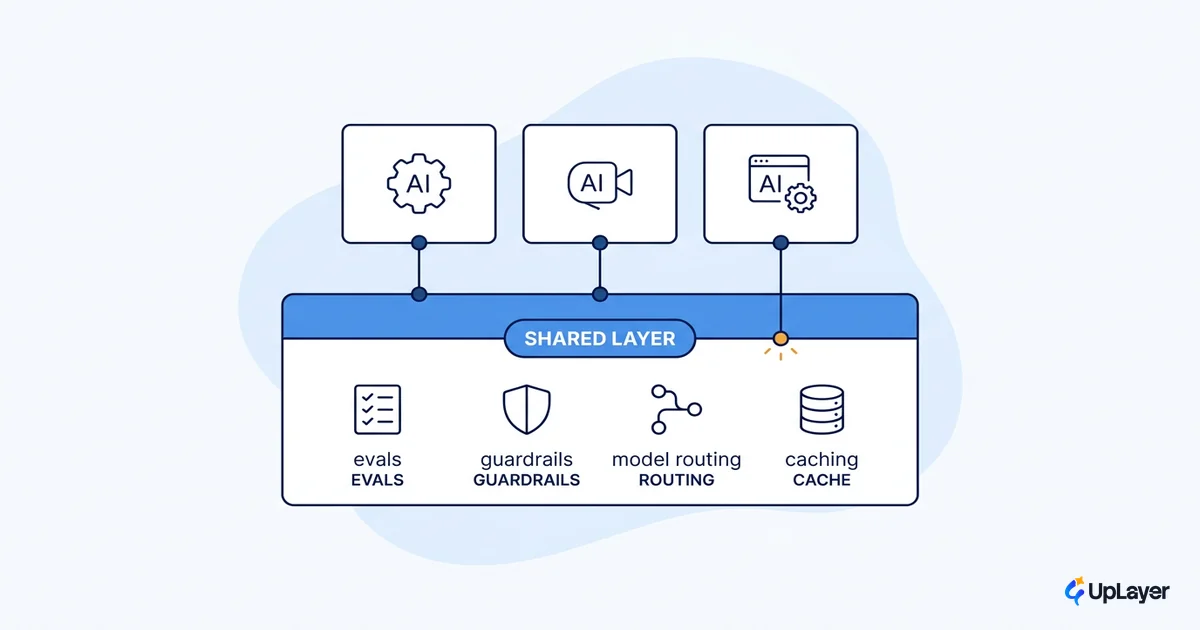
What an AI SaaS platform should give every feature
An AI SaaS platform is the shared internal layer of evals, guardrails, model routing, and caching that makes every next AI feature ship faster and safer.
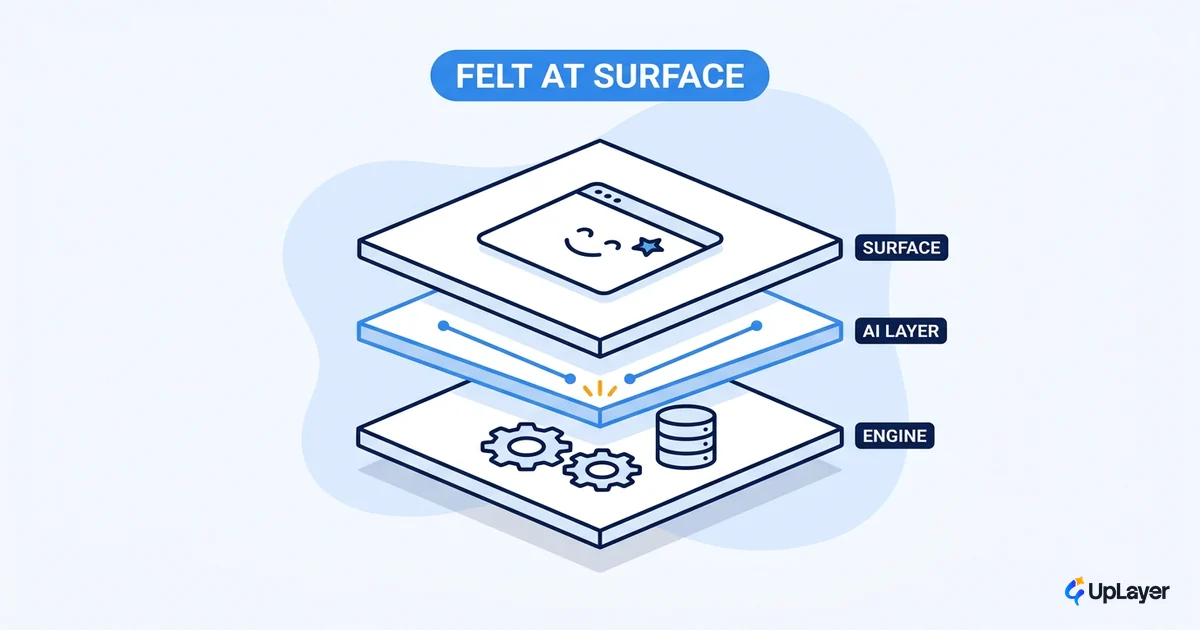
AI native SaaS vs adding a layer to what you built
AI native SaaS is something your users feel, not something your architecture is. Here is how to decide between a costly rebuild and a supportive AI layer.
AI Redesign & Rescue
Your AI feature is live. Nobody uses it.
We rebuild the part worth keeping and remove the part that was never going to work, inside the product you already shipped.
How a rescue runs
AI powered SaaS, what users feel and what they don't
An AI powered SaaS is judged at the surface, not the backend. Here are the felt moments that make users believe the product got smarter, and what to skip.
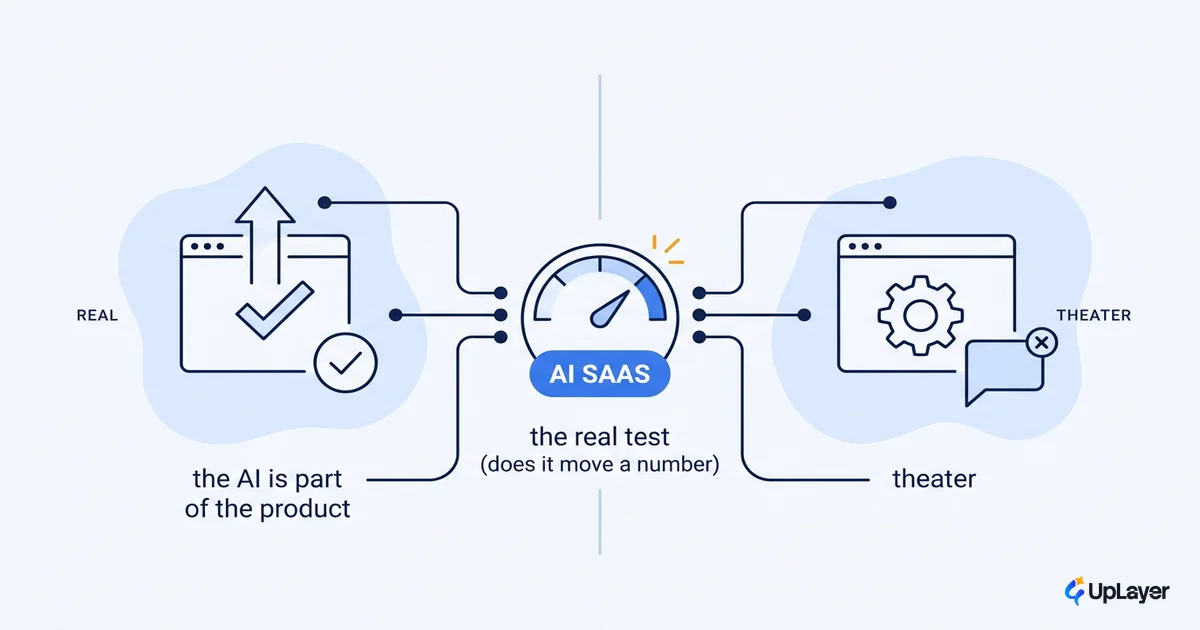
What an AI SaaS really is, past the label
An AI SaaS is defined by whether the AI moves a metric your users already care about, not by the model in your stack. Here is the real test to apply.
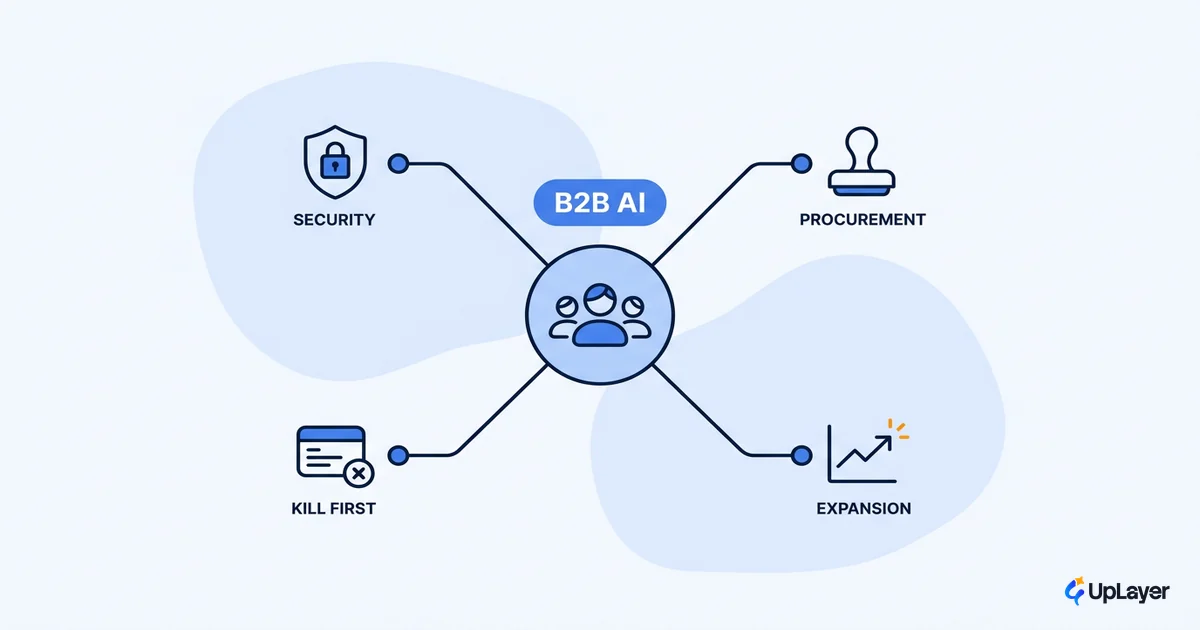
AI for B2B SaaS and where it actually pays off
AI for B2B SaaS lives or dies by a buying committee. Here is where AI pays off, which features survive procurement, and what to kill before you build it.
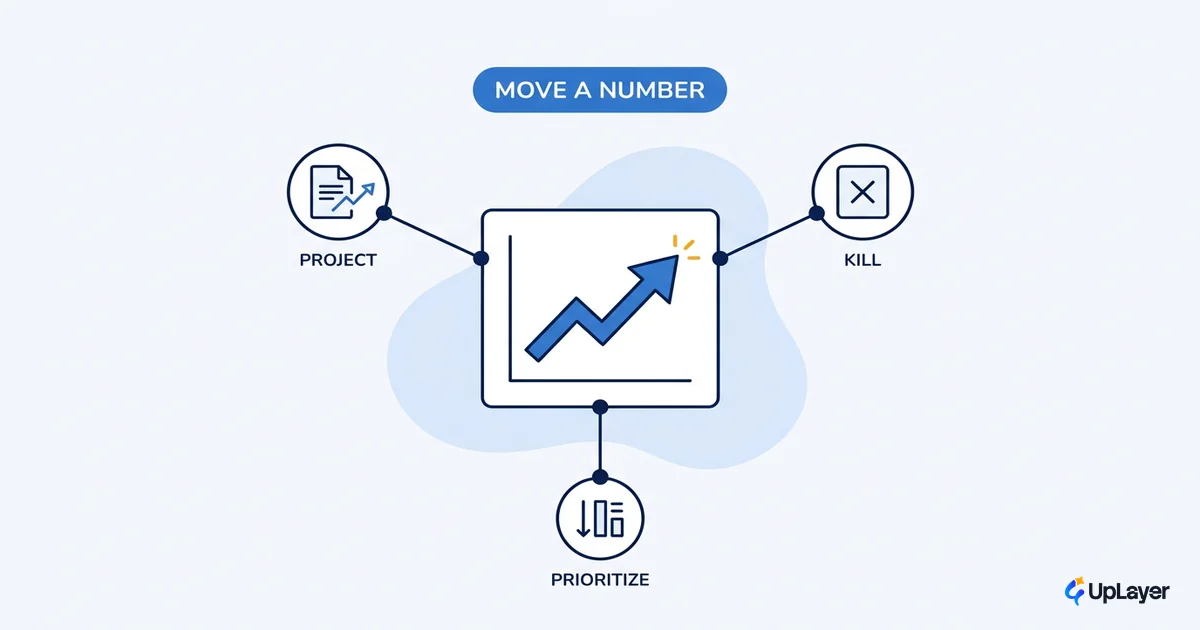
Choosing AI product features that move a number
A prioritization lens for AI product features: project the metric movement before you write the spec, and kill the ones that can't show one.
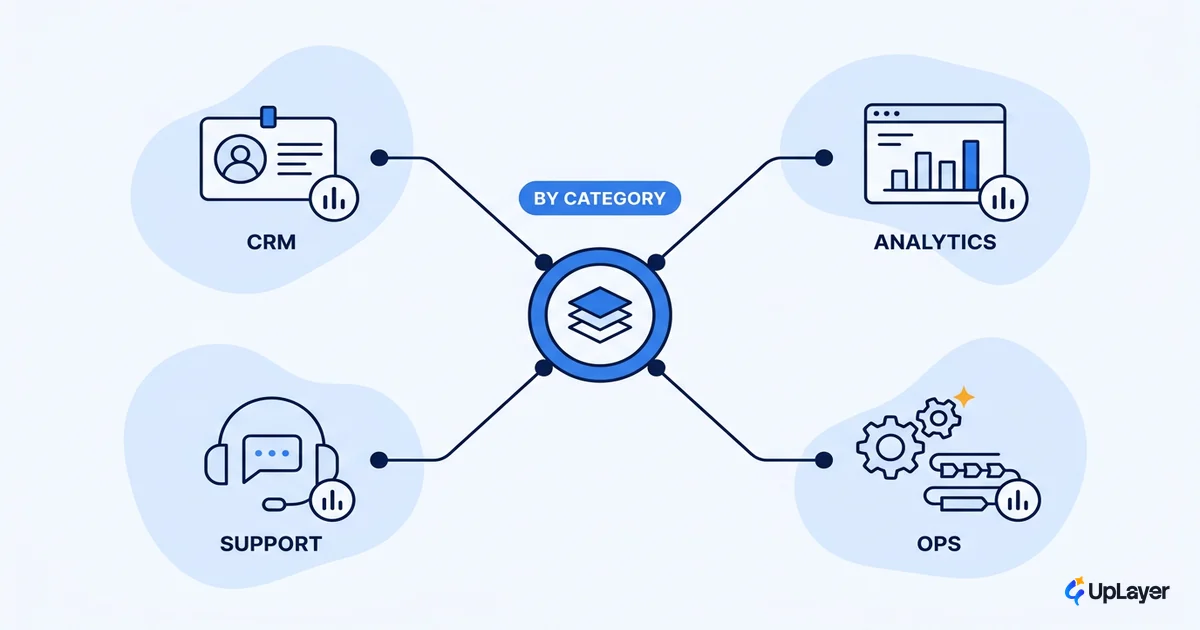
AI features in SaaS, mapped by product category
AI features in SaaS, mapped by product category so the right feature fits your CRM, analytics, support, or ops tool, instead of a generic must-have list.
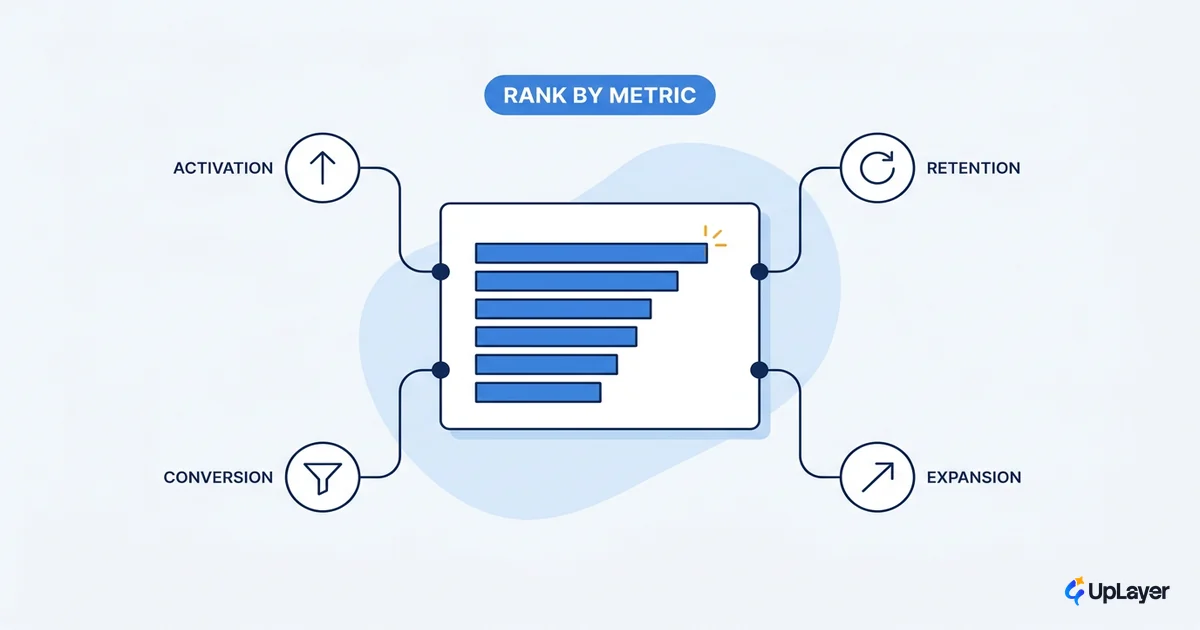
The best AI features for SaaS, judged by a metric
The best AI features for SaaS are the ones that move a metric you already track. A ranking method by activation, retention, conversion, and expansion.
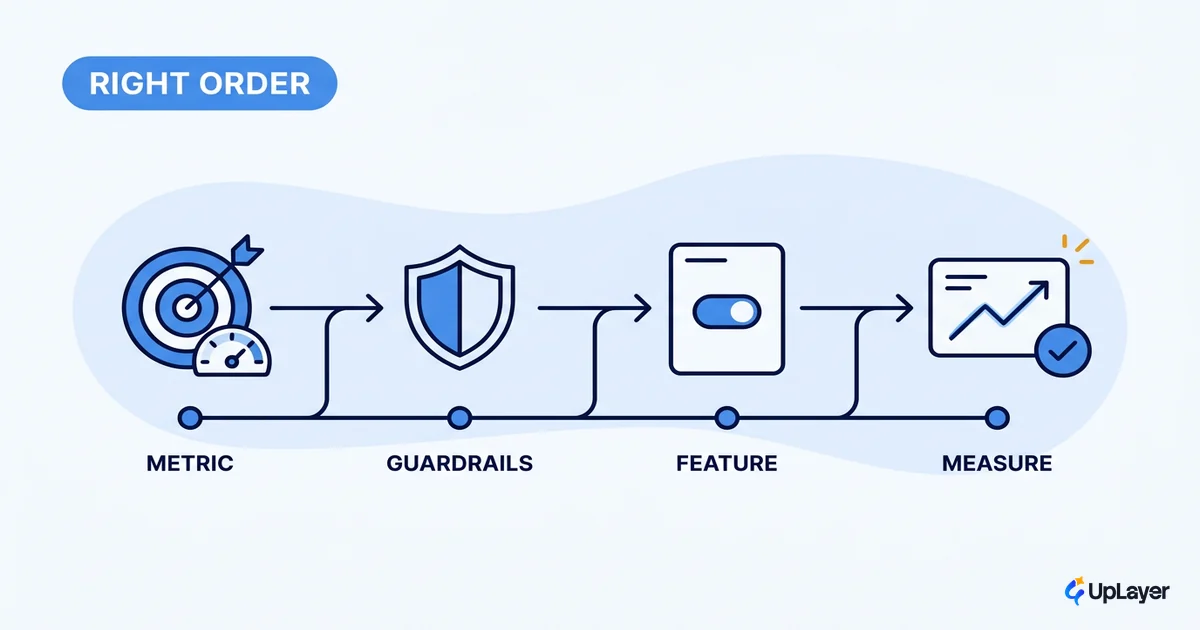
Adding AI to a SaaS product the reliable way
Adding AI to a SaaS product works when you sequence it right: a metric first, reliability guardrails before features, then one measured launch at a time.
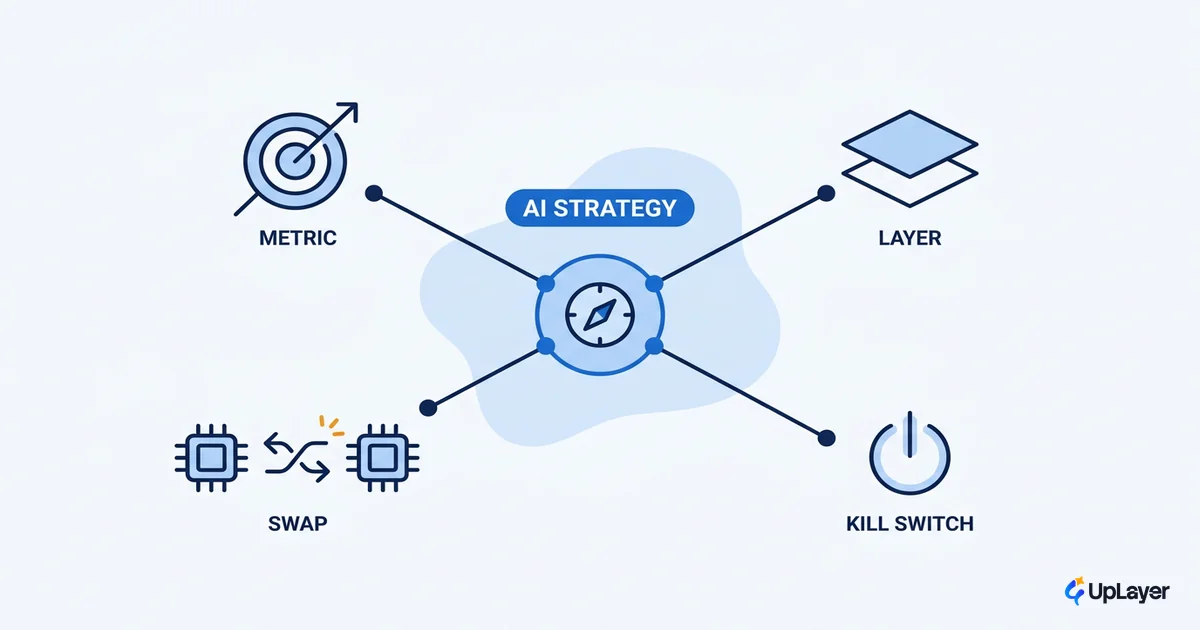
A SaaS AI strategy that survives a model swap
Build a SaaS AI strategy around the metric you want to move and a swappable supportive layer, so a model deprecation becomes a config change, not an outage.
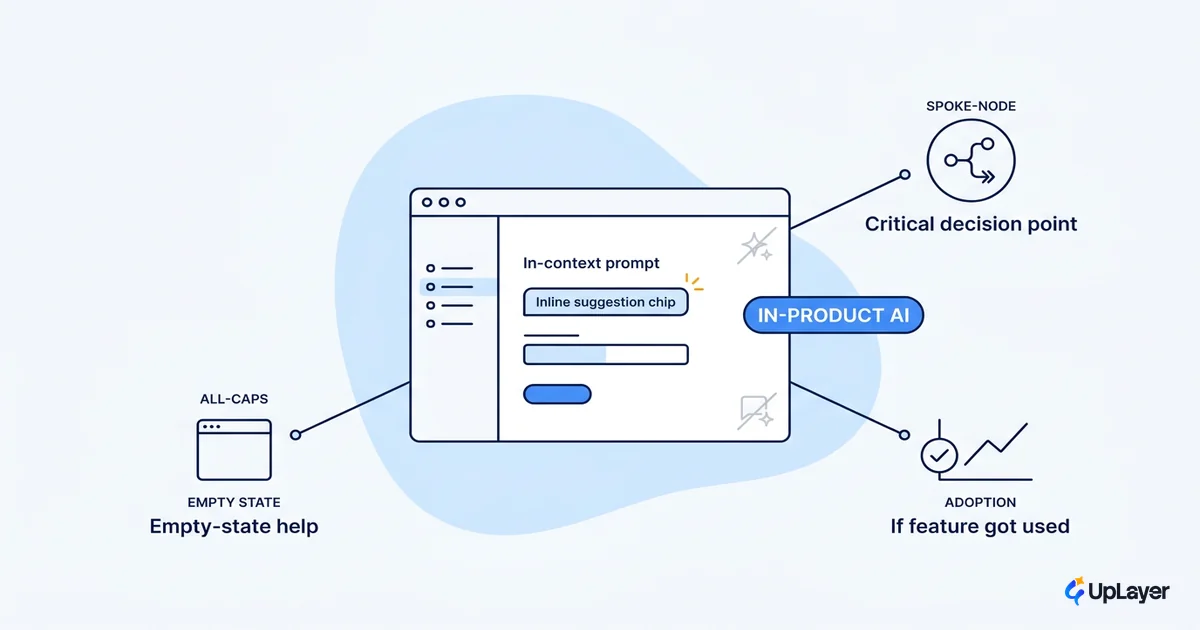
In-product AI that earns its place on the screen
In-product AI earns its place by surfacing help inside the workflow, not as a corner chatbot. Where it should live, when it helps, and how to know it worked.
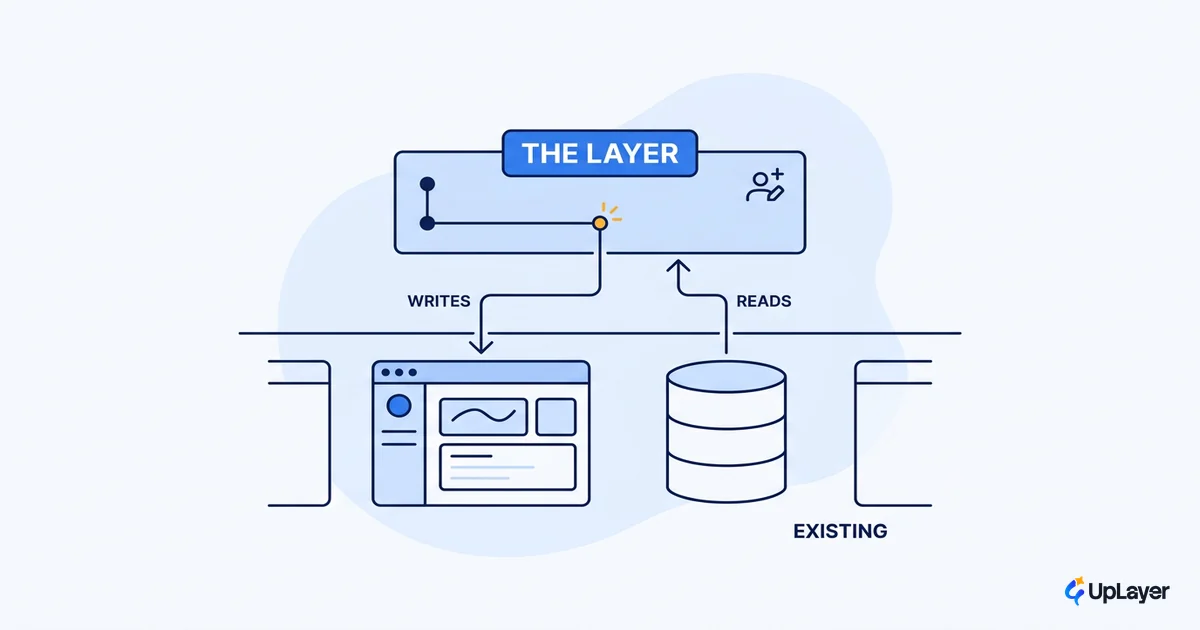
Integrating AI into SaaS as a layer, not a rewrite
Integrating AI into SaaS doesn't mean rebuilding your product. See where the supportive AI layer sits, what it touches, and how to ship it without a rewrite.
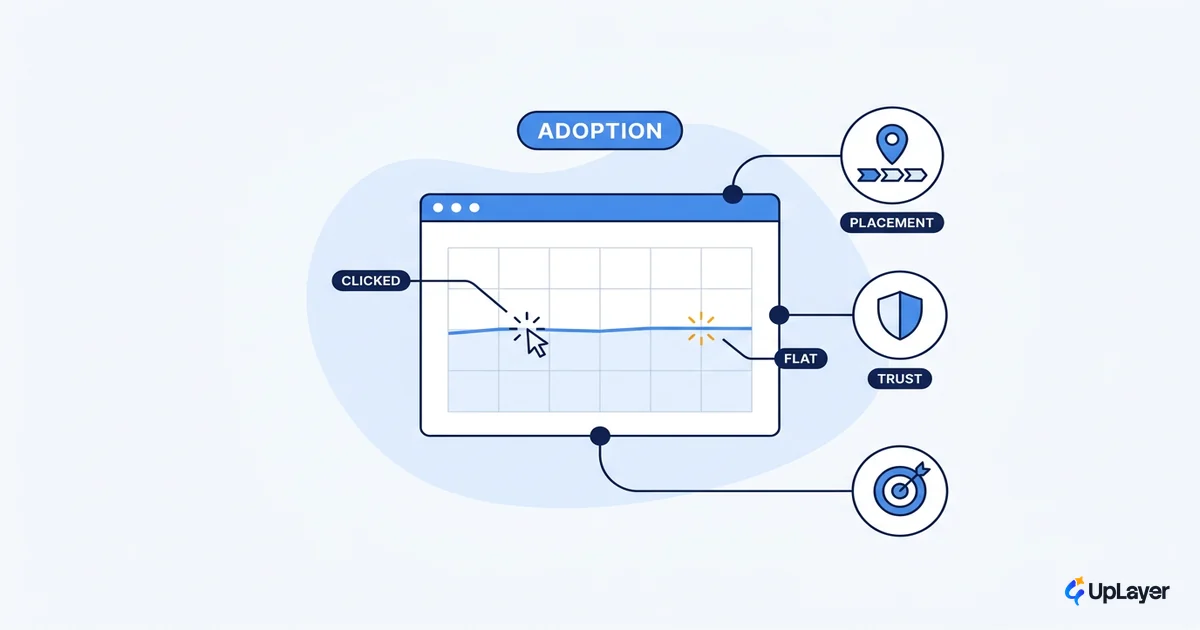
AI feature adoption and why most move nothing
AI feature adoption is the real gap: working AI features ship, get clicked, and still move no metric. Why it happens and the signals that quietly fix it.
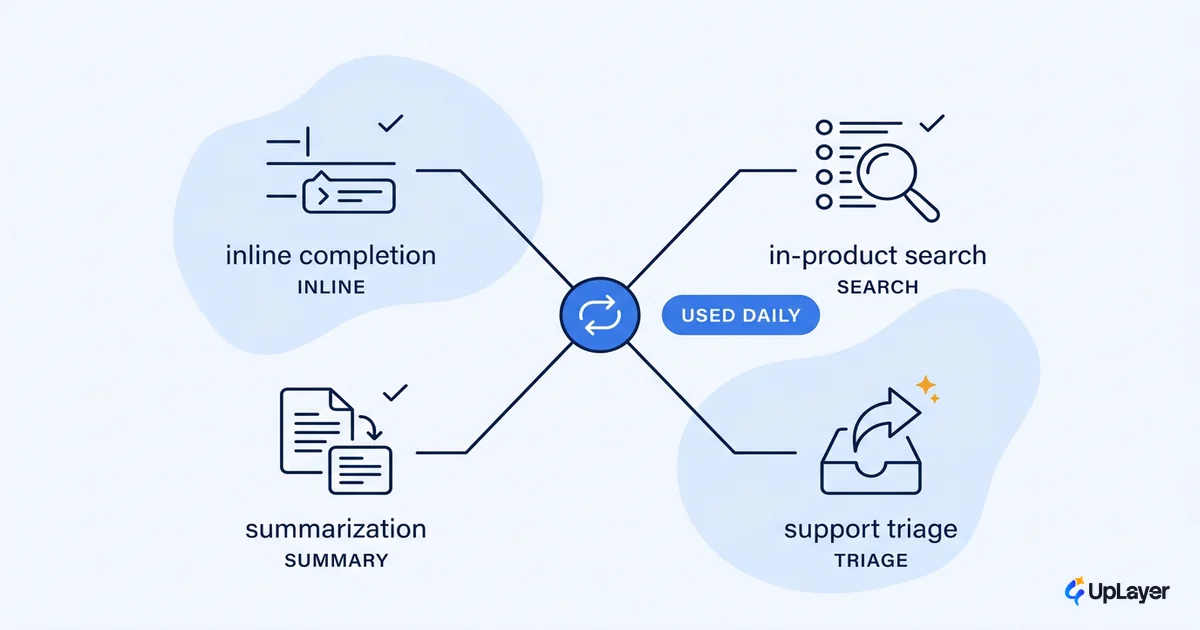
SaaS AI features that actually get used
Most SaaS AI features ship and sit idle. See the SaaS AI features that get used daily, why they stick, and how to test any feature before you build it.
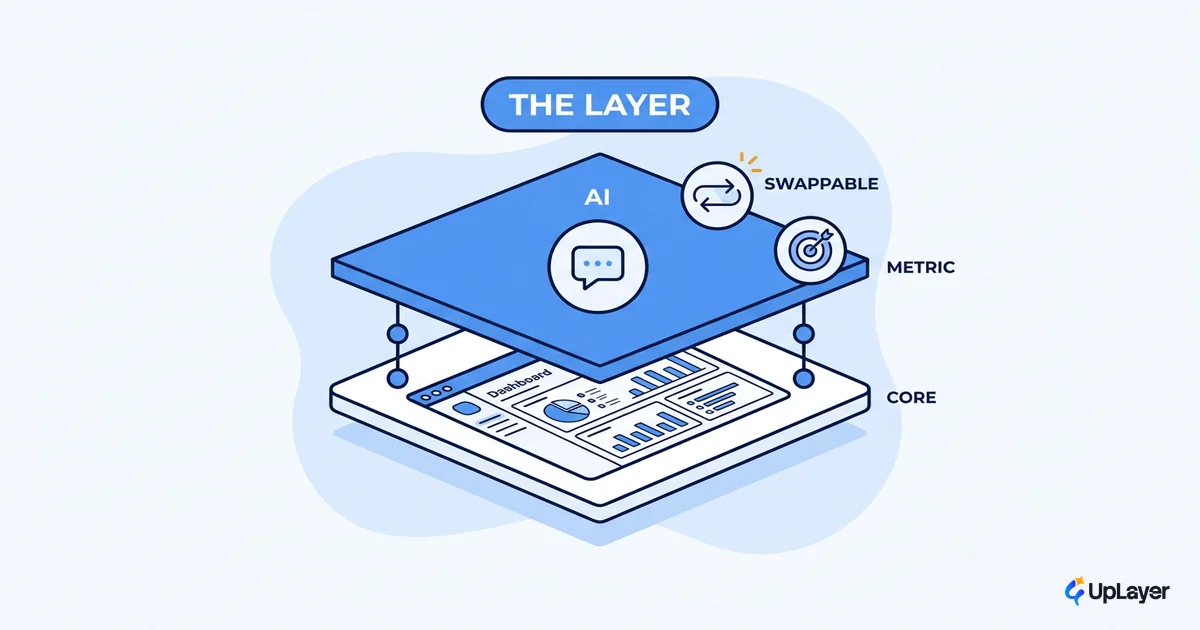
How to add AI to your SaaS without betting the company
How to add AI to your SaaS the low-risk way: a five-step playbook to ship a supportive AI layer that moves a metric and survives a future model swap.
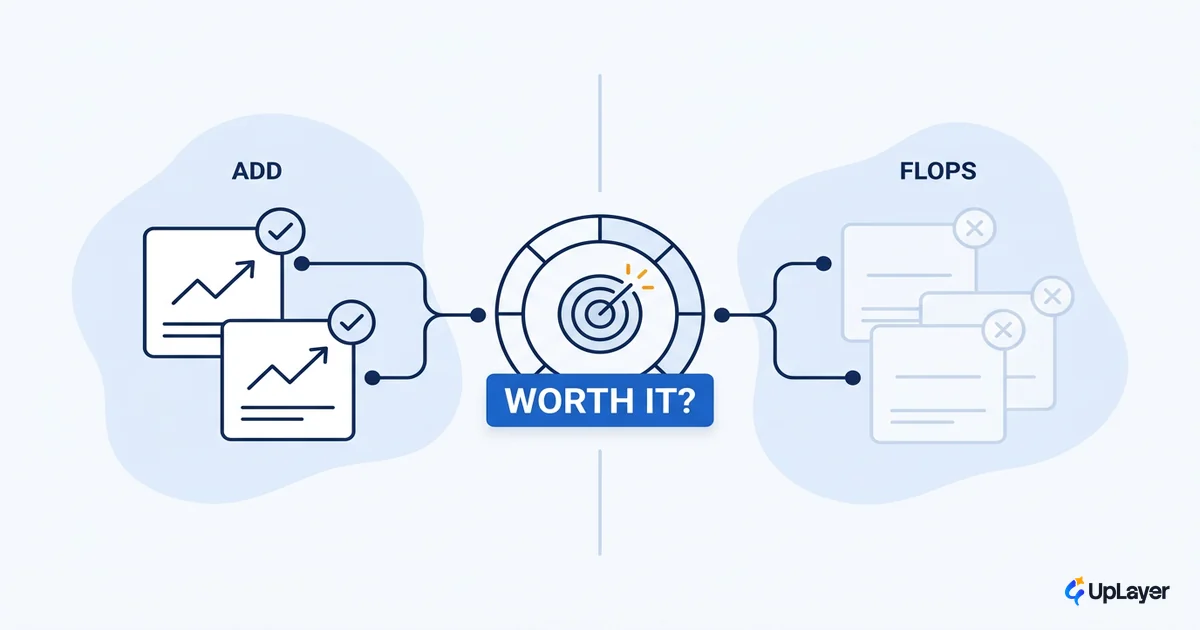
AI features for SaaS worth adding (and what flops)
A buyer's map of the AI features for SaaS worth adding, the ones that flop, and the single metric each one is designed to move. No hype, just what pays off.
AI Product & UX Design
30 articles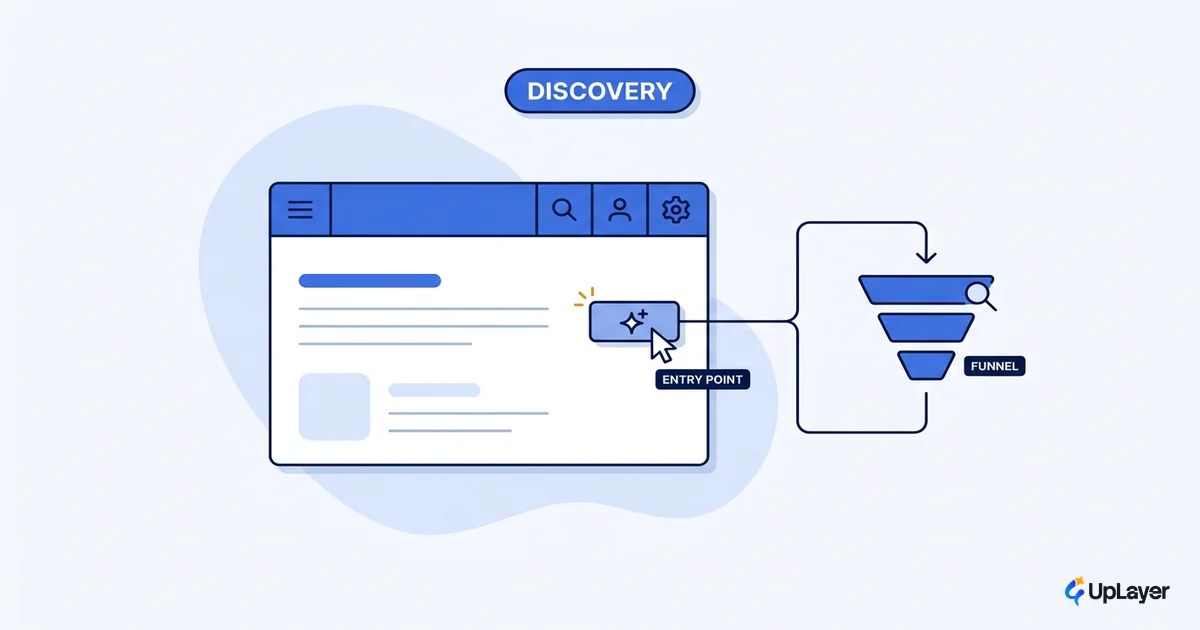
Making AI features discoverable in your product
Most AI features fail on discovery, not capability. A practical guide to AI feature discoverability: the placement and affordance patterns that fix it.
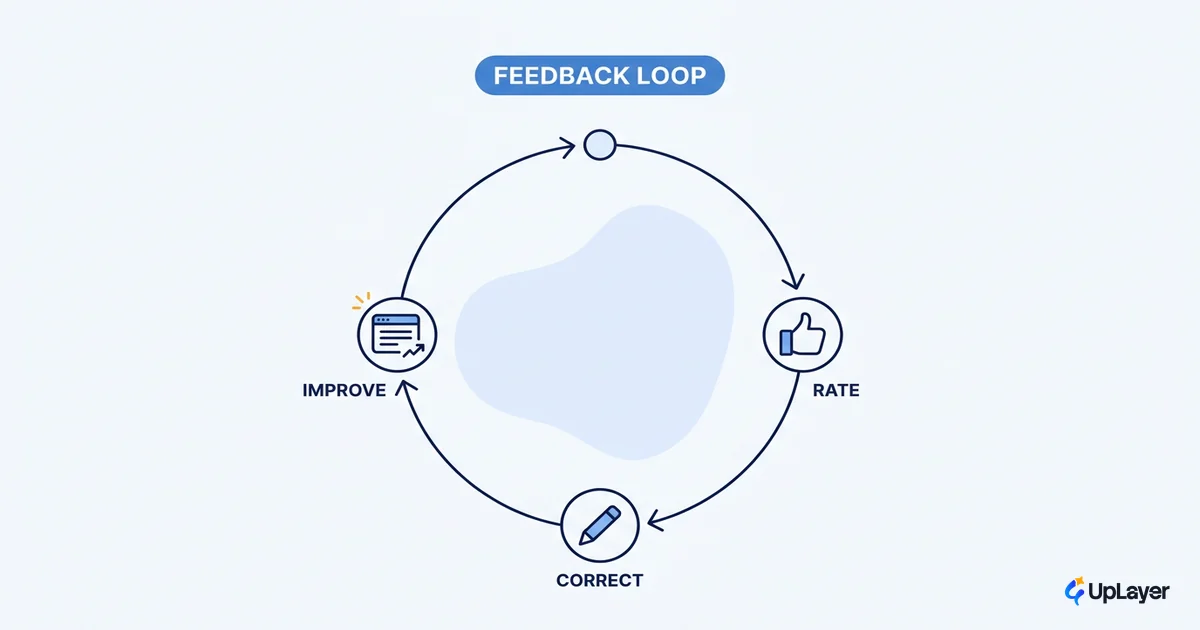
AI feedback loop design that improves output
AI feedback loop design that turns user corrections and ratings into better output and stronger retention. The patterns, a framework, and the ROI gate.
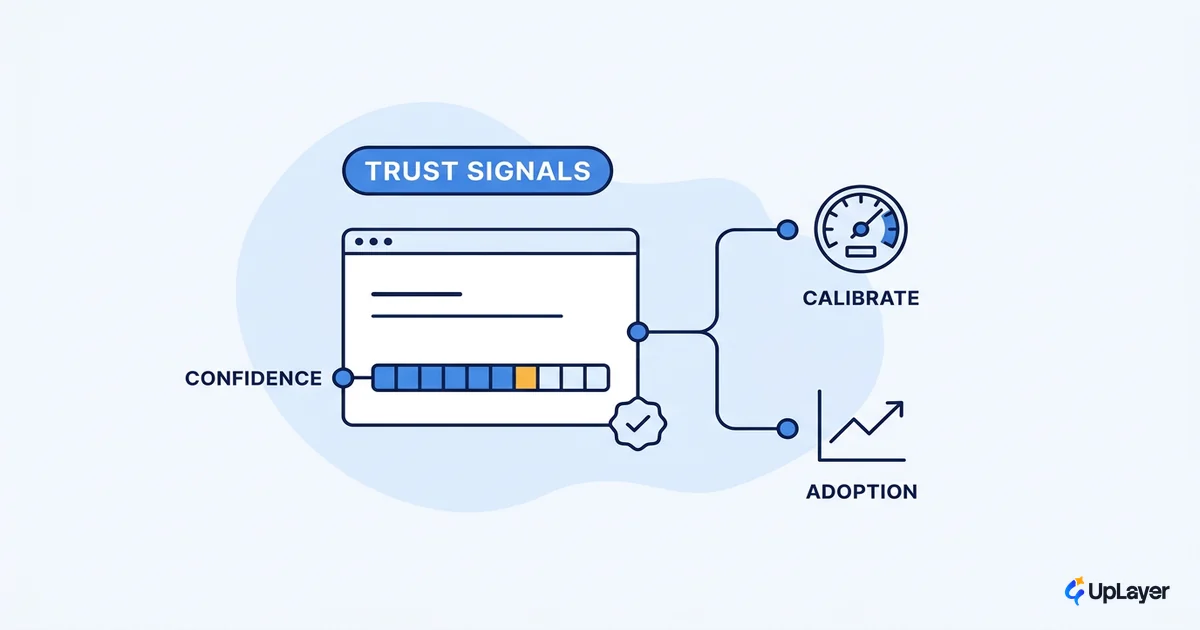
Designing AI confidence and trust signals
AI trust signals design done right: show how sure the model is so users calibrate reliance, adopt the feature, and stop over- or under-trusting output.
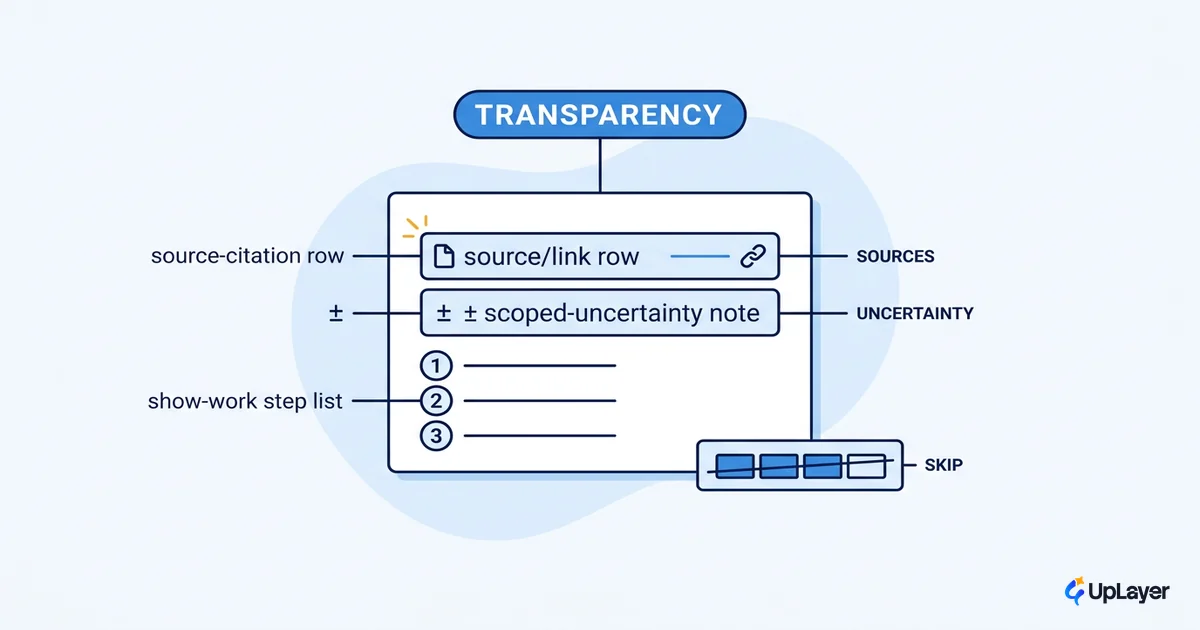
AI transparency patterns users can actually read
AI transparency patterns that show sources, reasoning, and limits so users trust the output, ranked by the metric each one moves. What to build and skip.
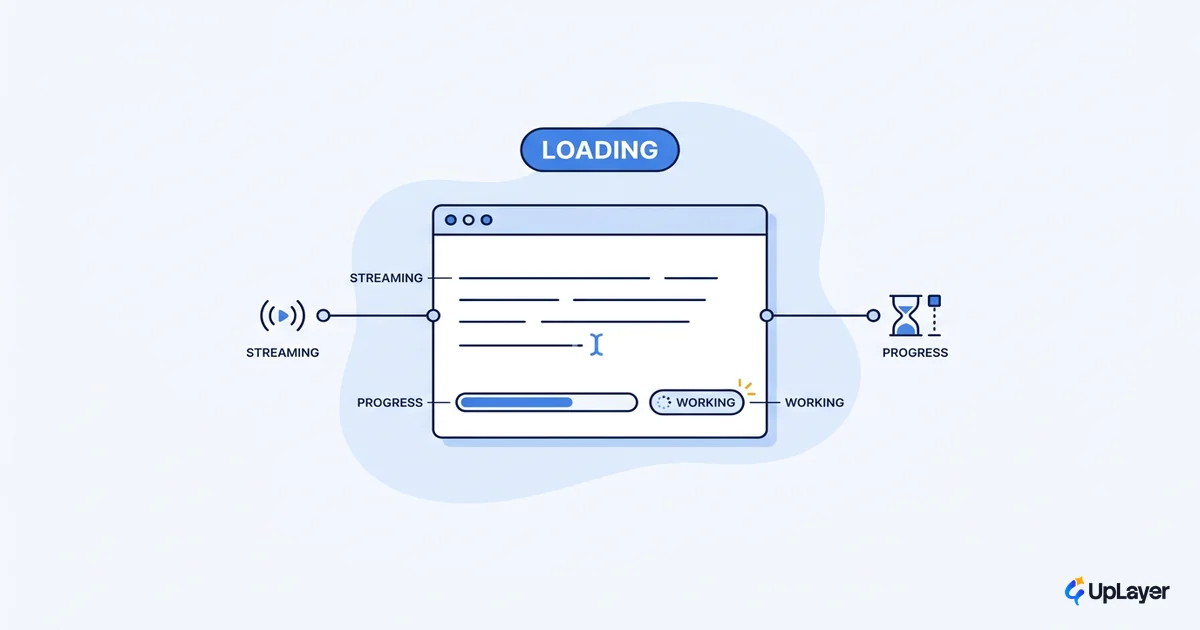
Designing AI loading and feedback states
AI loading states design that makes slow model responses feel intentional, not broken. Patterns for streaming, progress, and feedback that protect adoption.
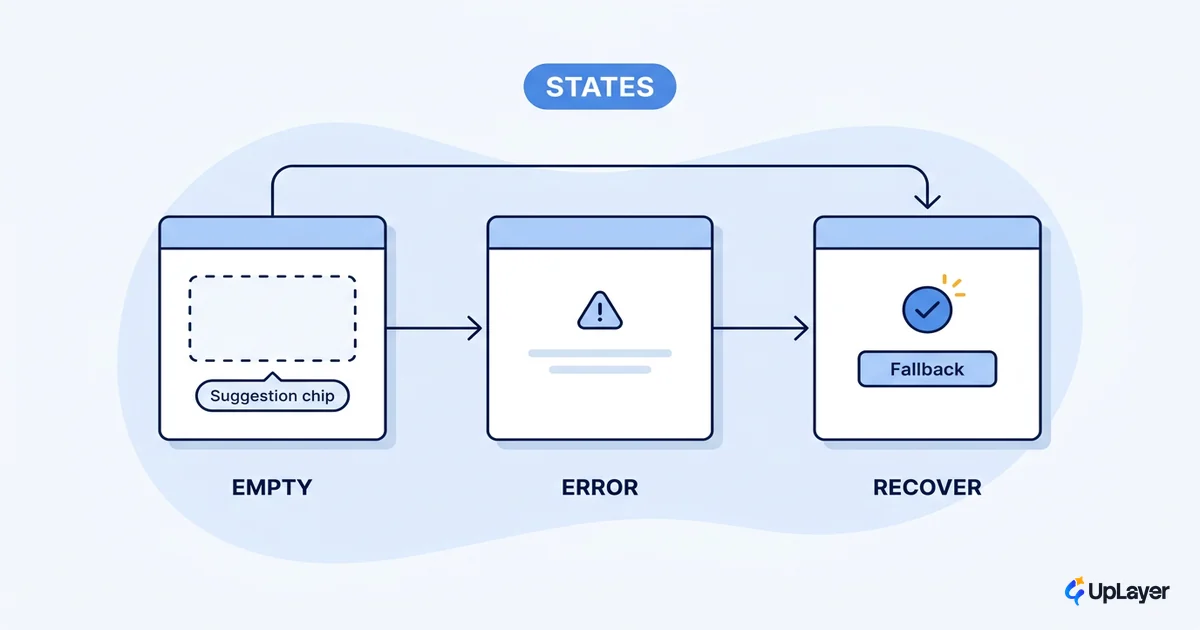
Designing AI empty and error states that recover
A practical guide to AI error states design, with patterns for empty, error, and no-answer states that hold user trust when the model fails or stalls.
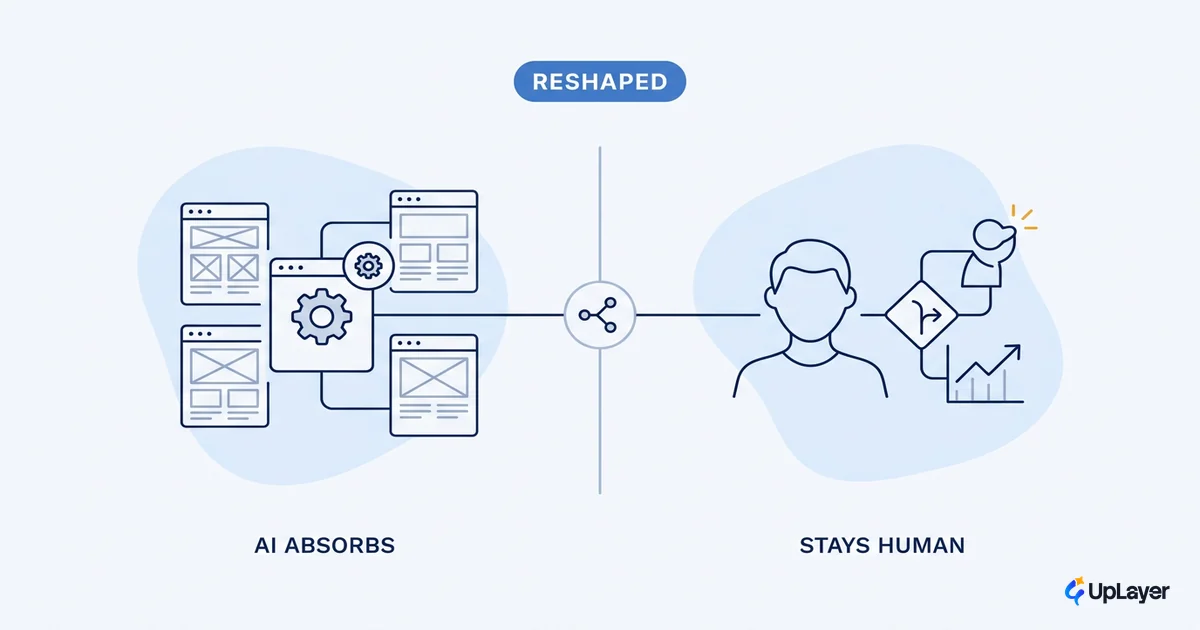
Will AI replace UX designers, or reshape the job?
Will AI replace UX designers? A calm answer from a team that ships AI features: which UX work AI absorbs, which it can't, and where the budget earns ROI.
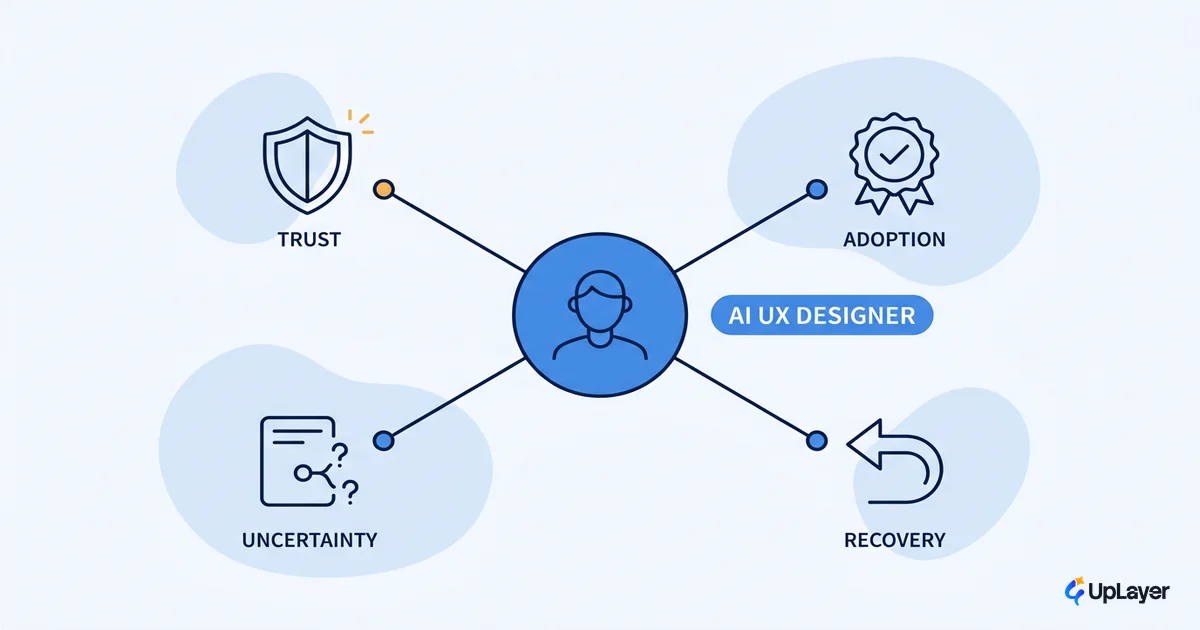
The AI UX designer role and what it owns
What an AI UX designer is actually accountable for: the trust, adoption, and uncertainty states that decide whether an AI feature survives real users.
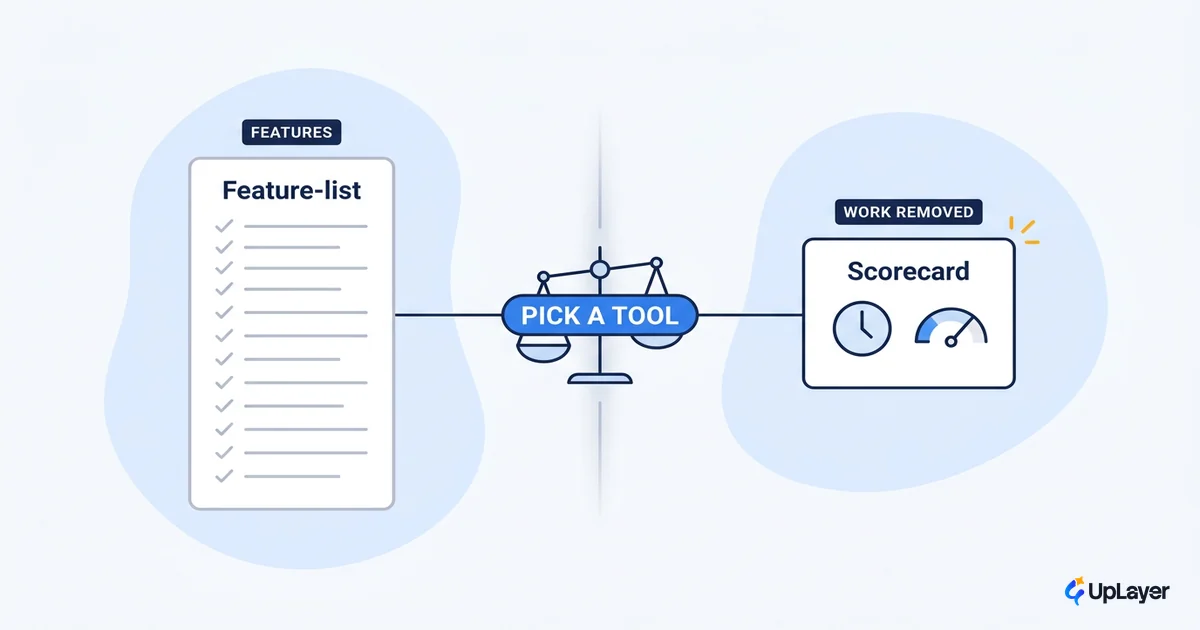
Choosing an AI product design tool that fits
A buyer's frame for picking an AI product design tool: judge it by the work it removes and the metric it moves, not the feature list it ships with.
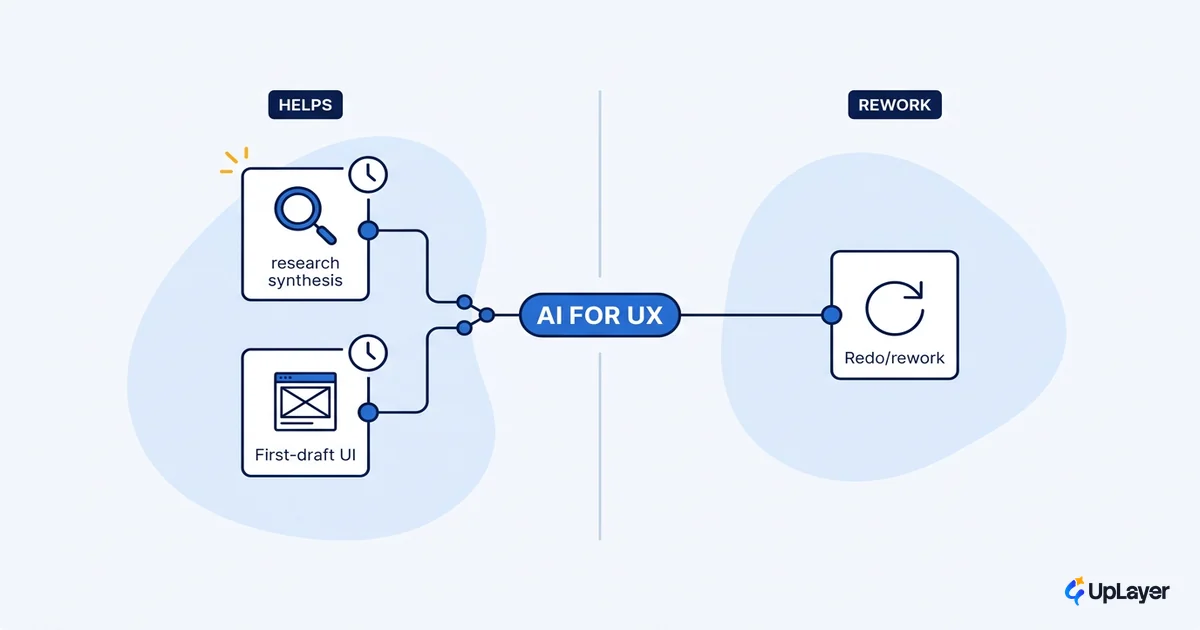
AI tools for UX design: where they help
A grounded guide to AI tools for UX design: the tasks they genuinely shorten, the ones they add rework to, and how to decide which earns its place.
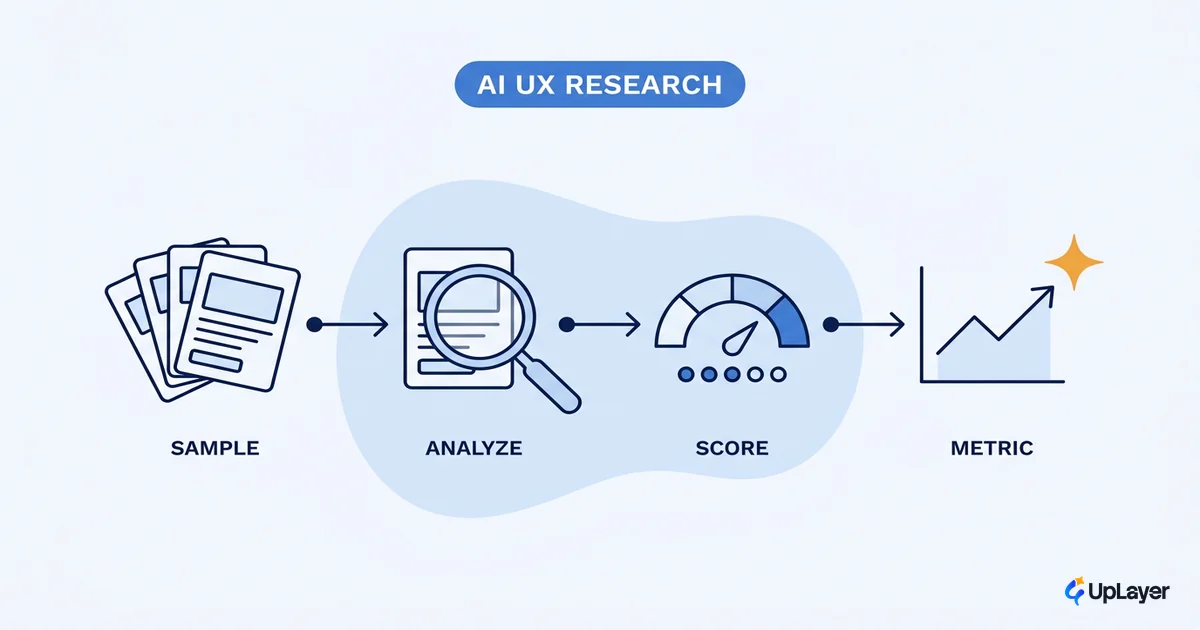
AI UX research methods that find real signal
AI UX research has to handle features that answer differently every run. Methods to test probabilistic AI, score trust, and tie results to a metric.
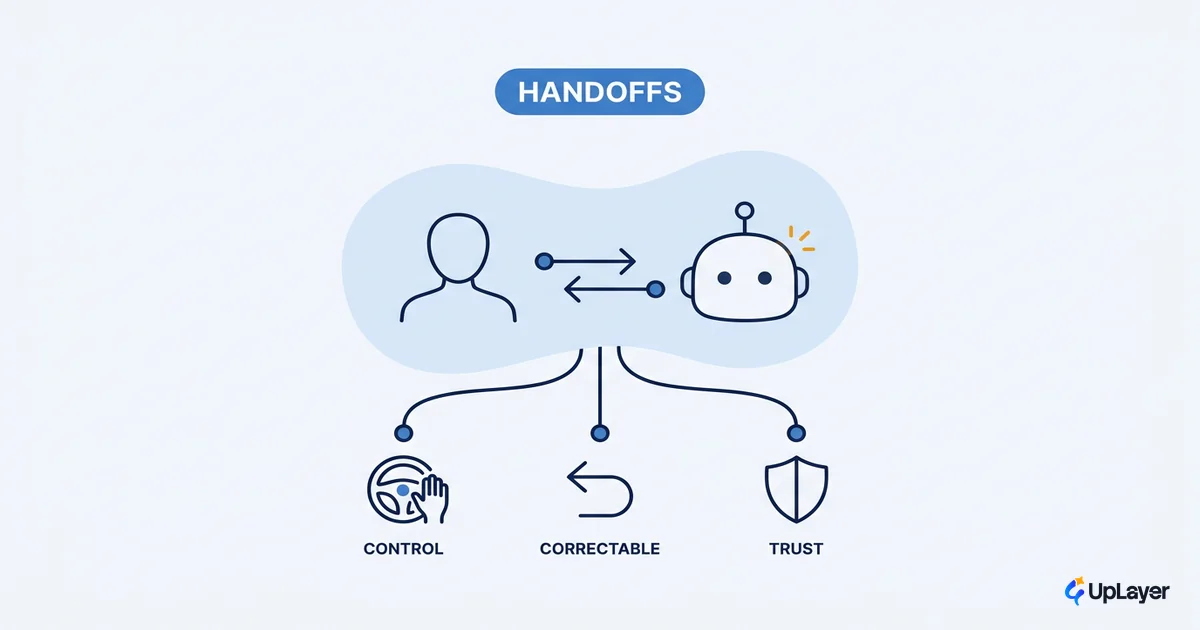
Human AI interaction design in real products
Human AI interaction design is the craft of the handoffs between user and model. Here is how to keep people in control and the system correctable.
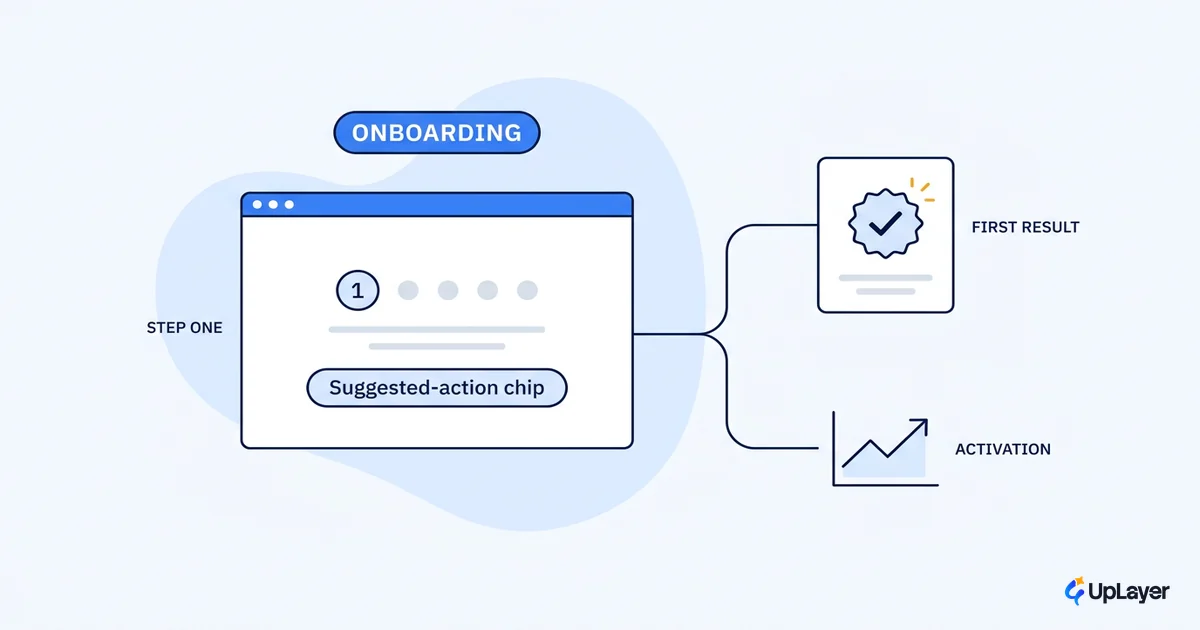
AI onboarding design that drives activation
AI onboarding design done right gets users to a first useful AI result fast, with activation as the scoreboard. The patterns that work, and what to skip.
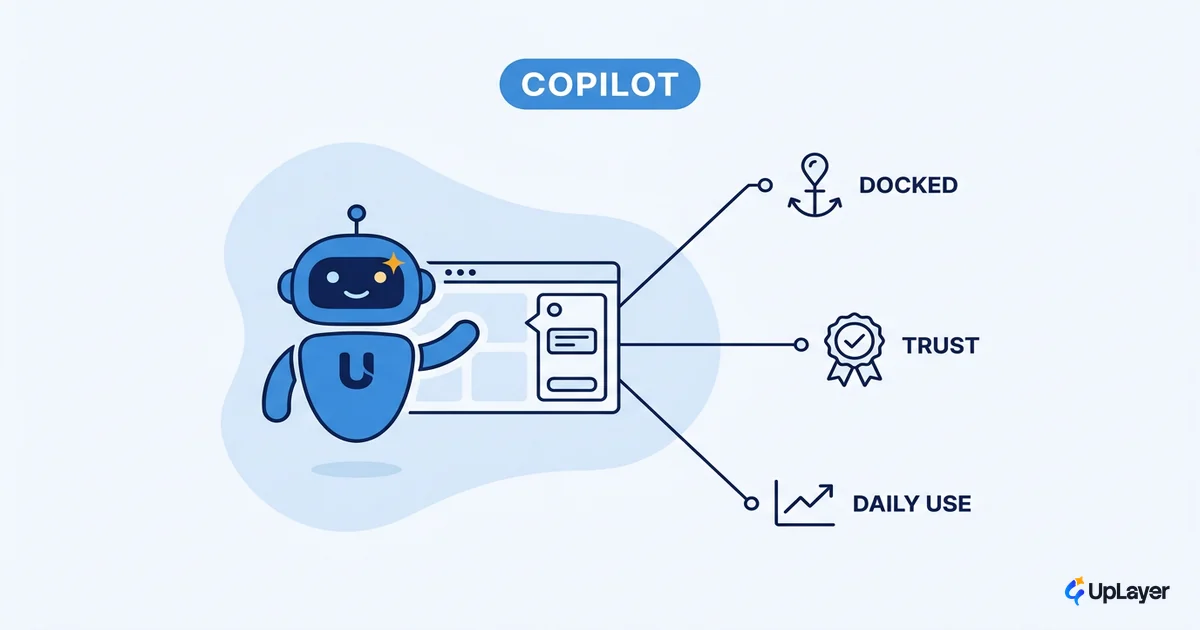
AI copilot design that users keep open
AI copilot design that earns daily use: the placement, trust, and adoption decisions that turn a one-time try into a habit, tied to a metric you track.
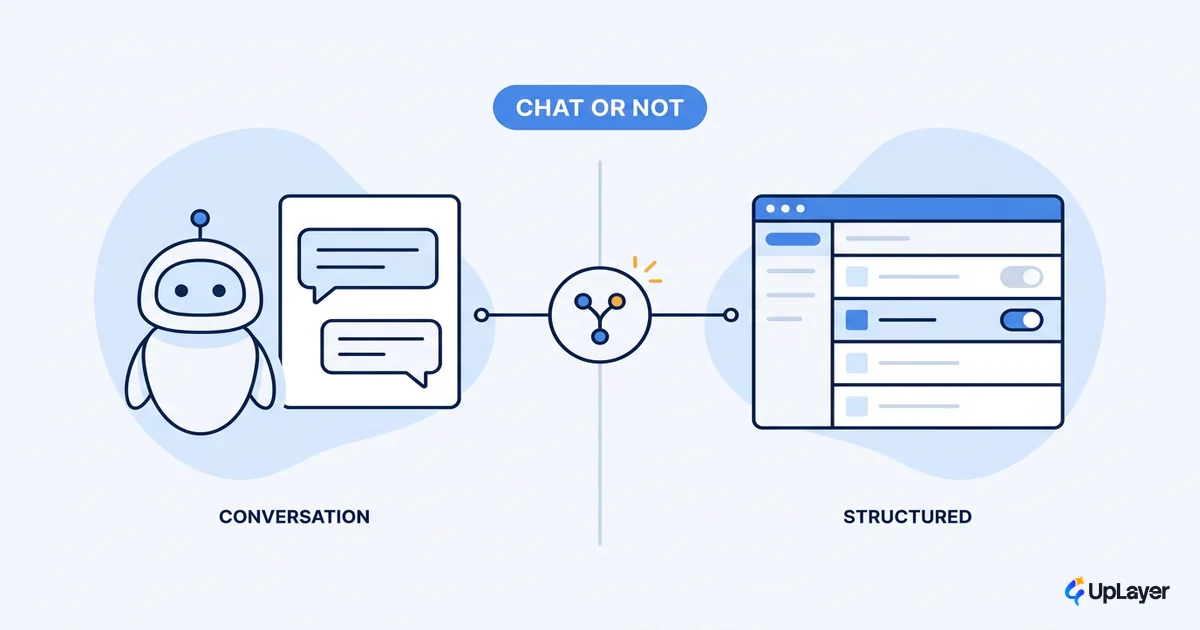
Conversational AI design beyond the chat box
Conversational AI design is a decision before it is an interface. When chat fits an AI feature, when it is a trap, and how to design turns that build trust.
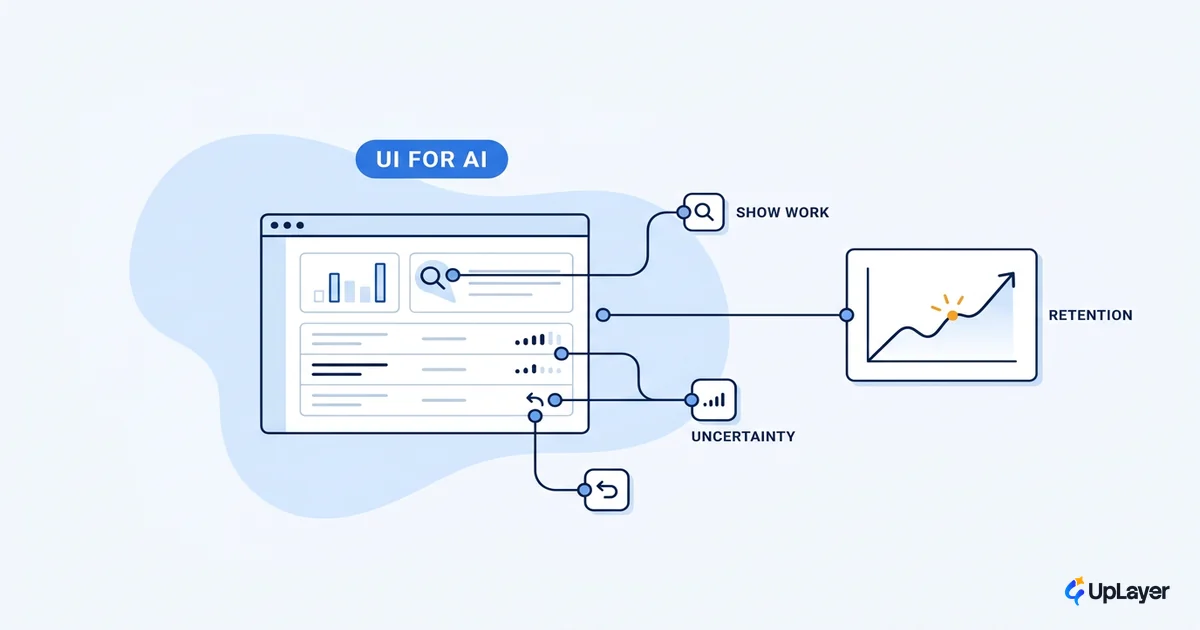
UI UX design for AI products that retain users
UI UX design for AI products is where most AI features live or die. The interface shifts that turn a working model into a feature people keep using daily.
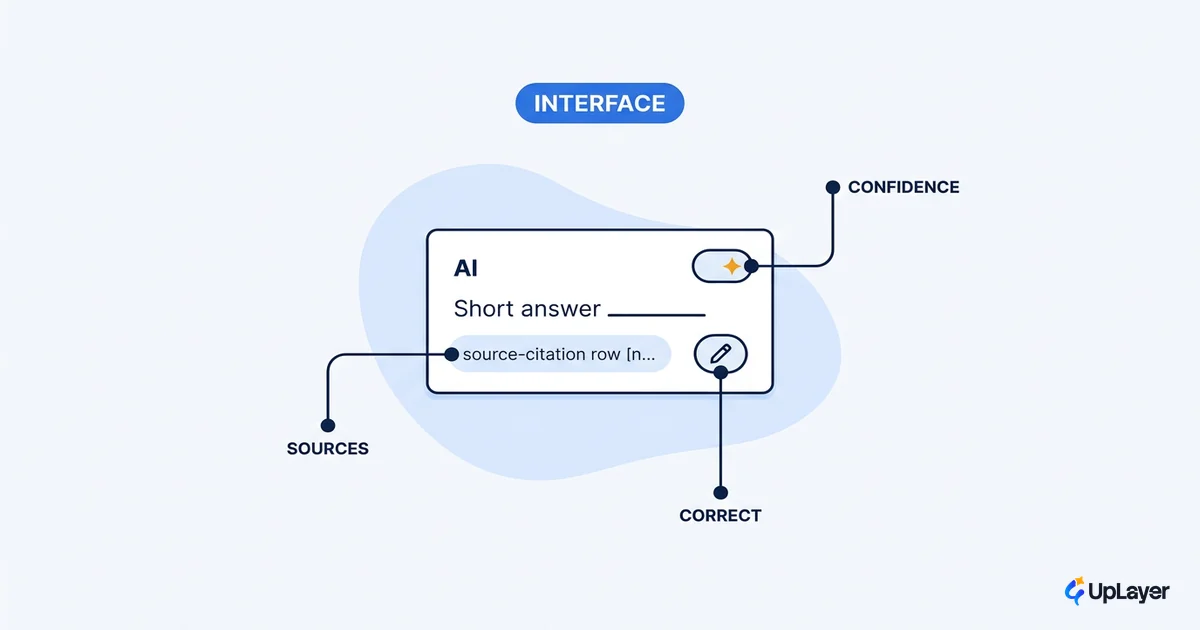
AI interface design for trustworthy features
AI interface design that makes model output readable, correctable, and worth trusting at a glance, tied to a metric your team already tracks.
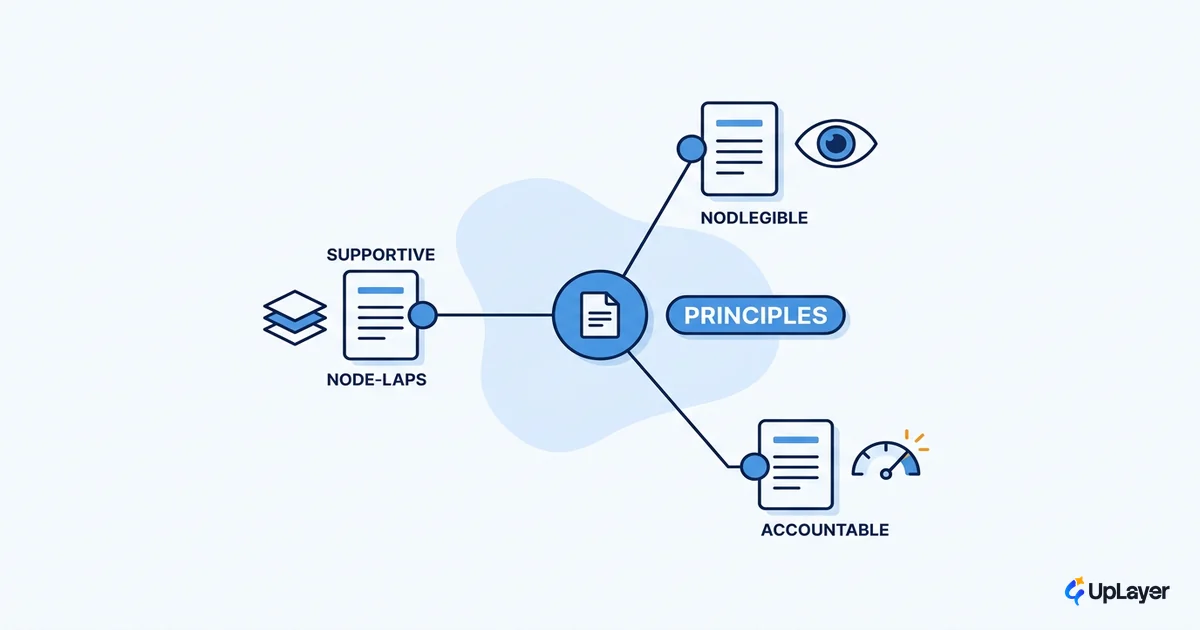
AI design principles for supportive features
A short set of AI design principles that keep features supportive, legible, and accountable to a metric your team already tracks, plus how to set them.
AI Product & UX Design
Design an interface for a system that is sometimes wrong
We design the interaction patterns, guardrails and trust cues that decide whether an AI feature gets used twice.
See how we design AI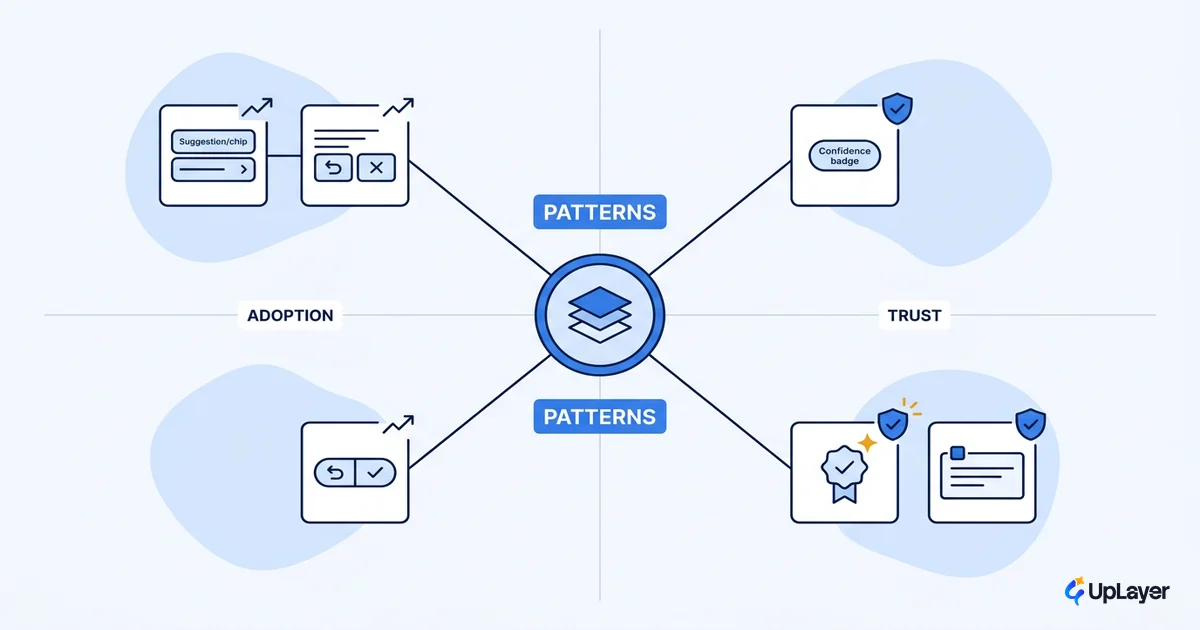
AI design patterns that earn their place
A catalog of AI design patterns mapped to the adoption or trust metric each one moves, plus a rule for picking the pattern your feature actually needs.
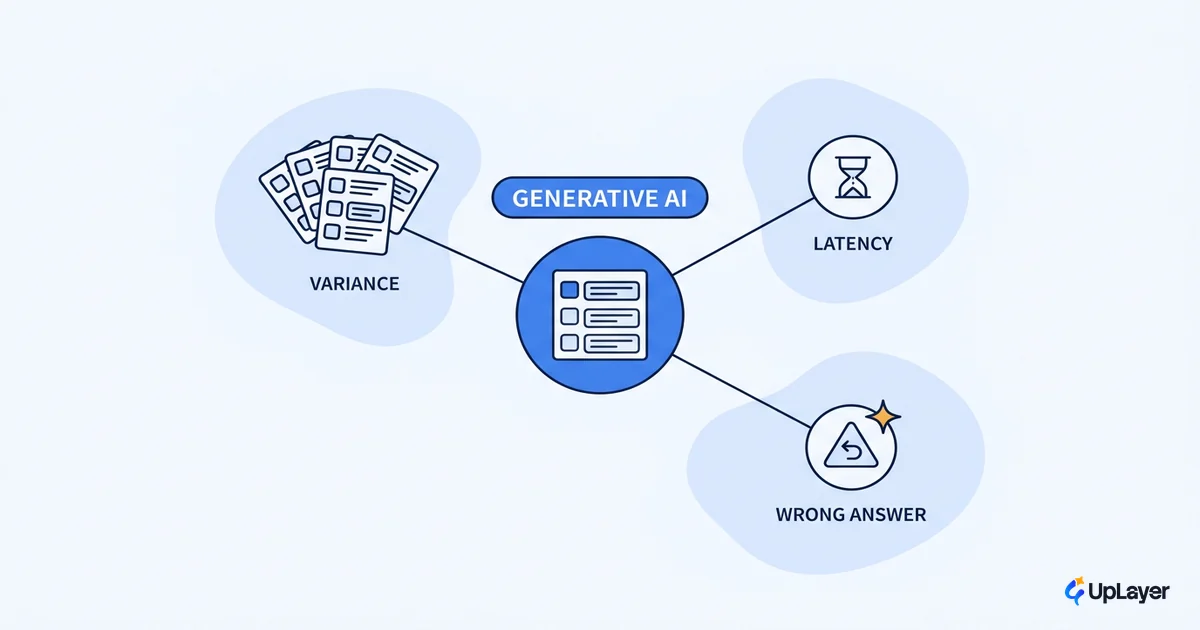
Generative AI product design that ships
Generative AI product design is mostly designing for variance, latency, and wrong answers. Here is how to handle each one without losing your users' trust.
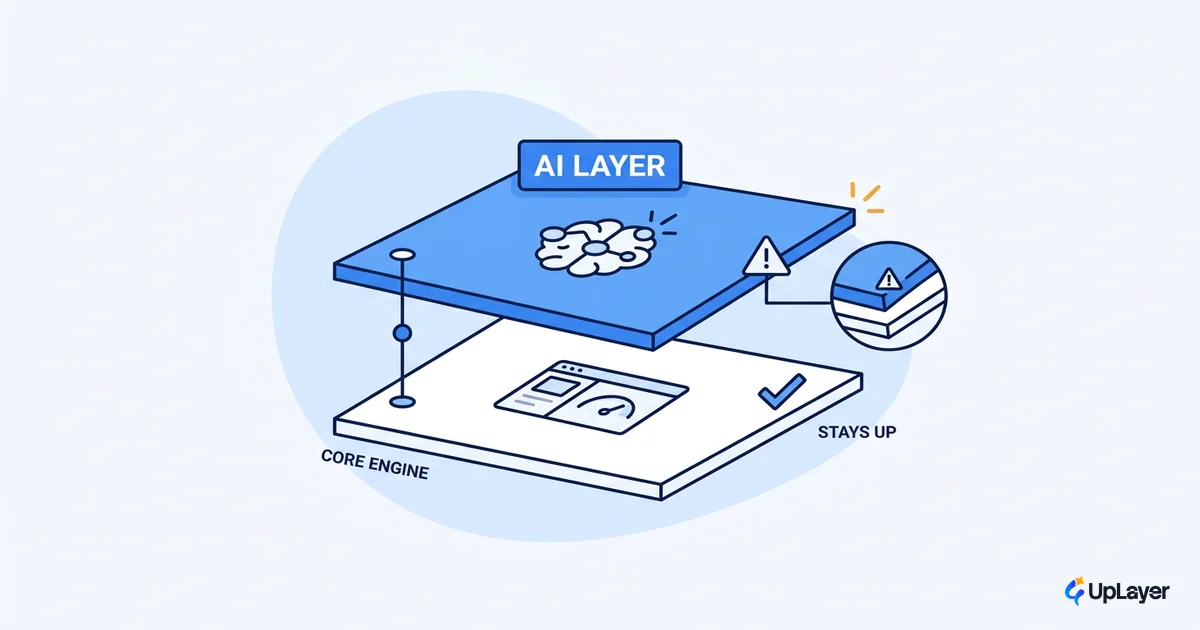
Designing AI products without betting the company
Designing AI products as a supportive layer above your core engine, so a bad model never sinks the product. The principles, the risks, and what to avoid.
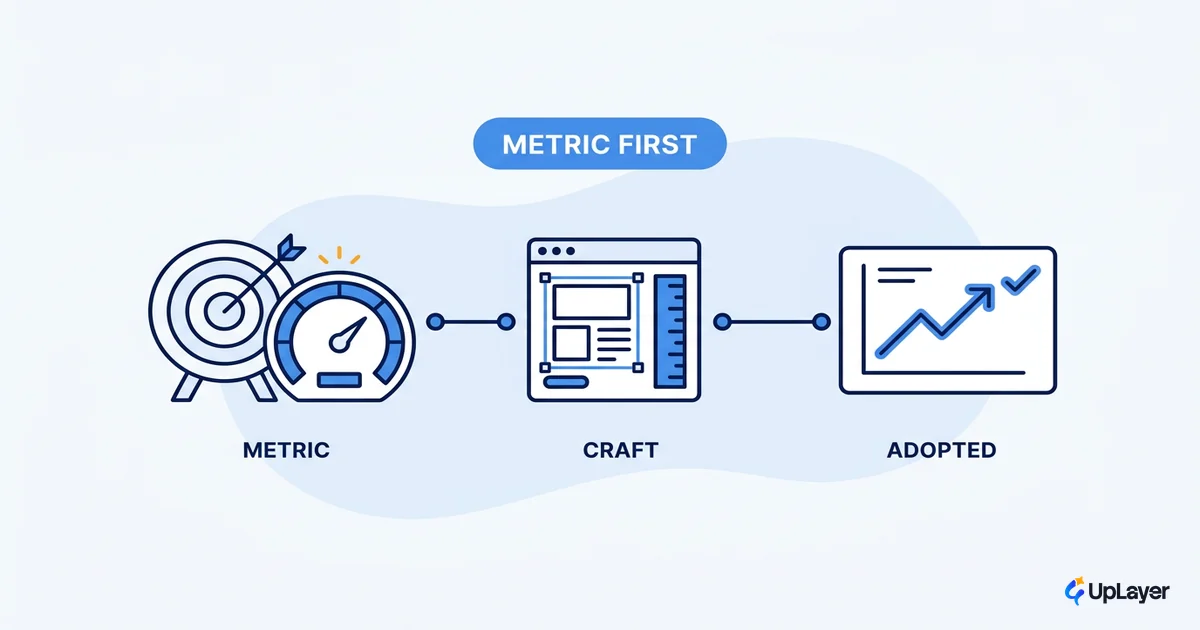
AI product design that moves a metric
AI product design is a metric problem first and a craft problem second. Here is the order to work in so the feature gets used and moves a number.
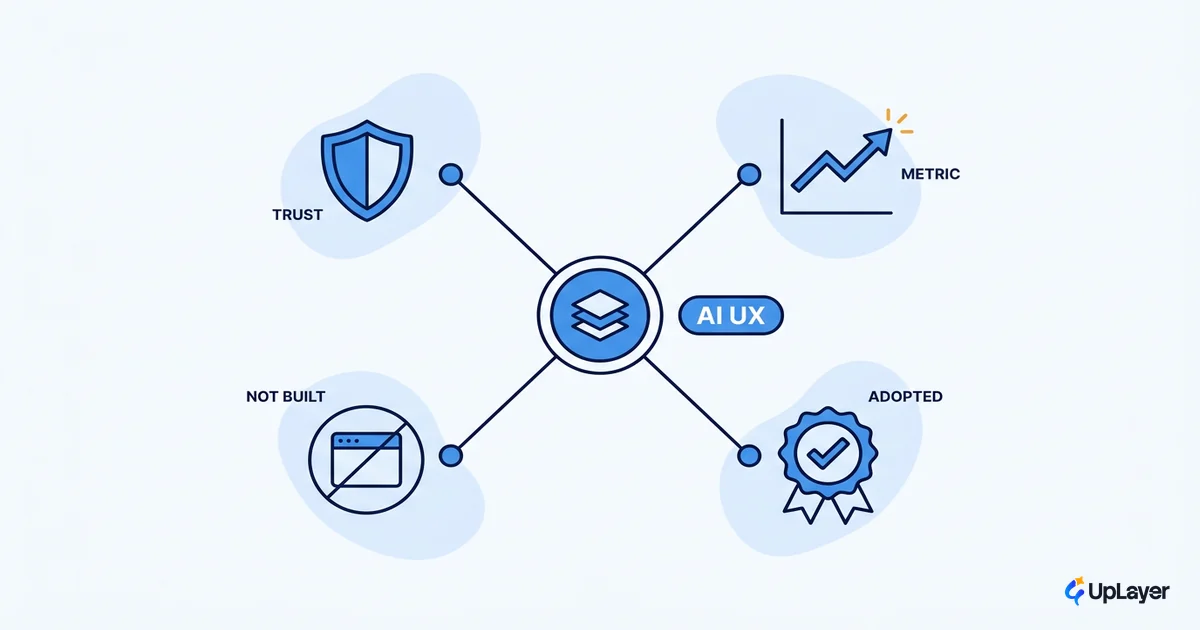
What AI UX really means for your product
A plain definition of AI UX: the design work that decides whether a supportive AI feature gets adopted and moves a metric you track, or quietly flops.
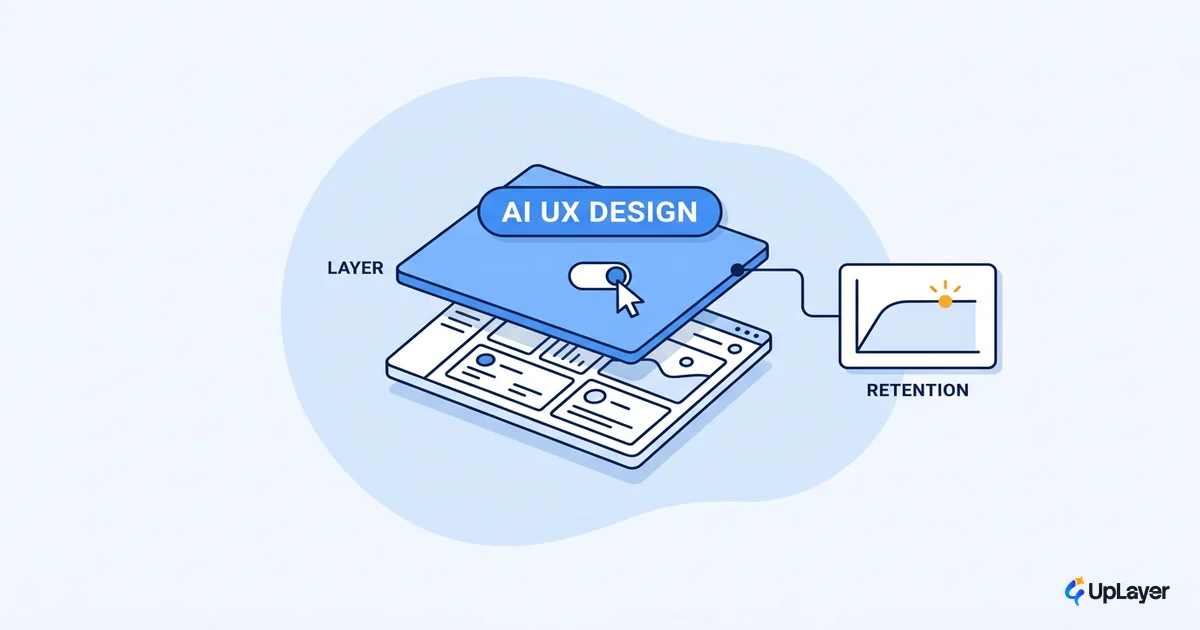
AI UX design for products people keep using
AI UX design is the craft of shipping a supportive AI layer users adopt and keep. Design for retention, not novelty, and tie it to a real metric.
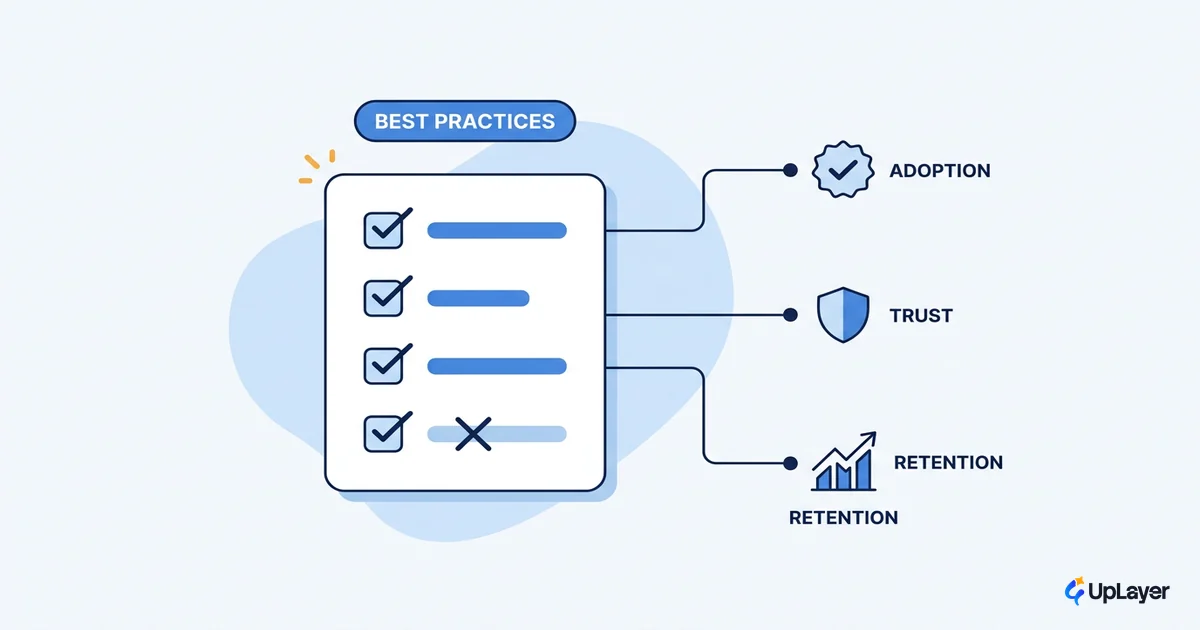
AI UX best practices for product teams
AI UX best practices that earn their place: a working checklist where each practice is tied to the adoption or trust signal it protects, not decoration.
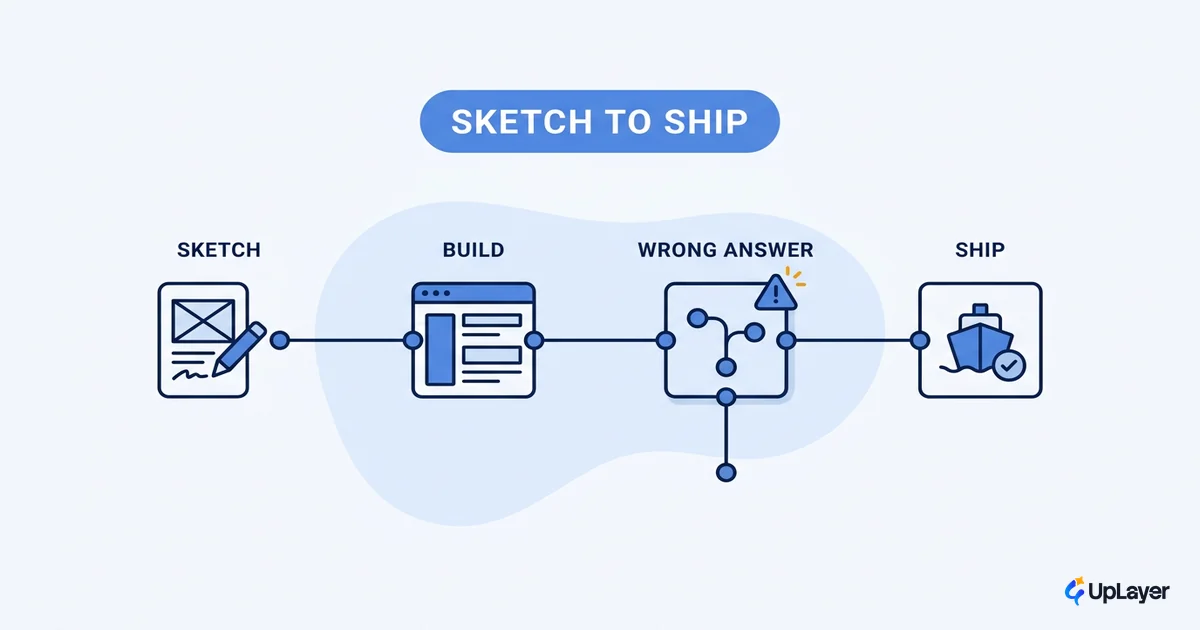
AI feature design from first sketch to ship
AI feature design is product design plus one variable: the output can be wrong. Follow one AI feature through every stage, trust decisions called out.
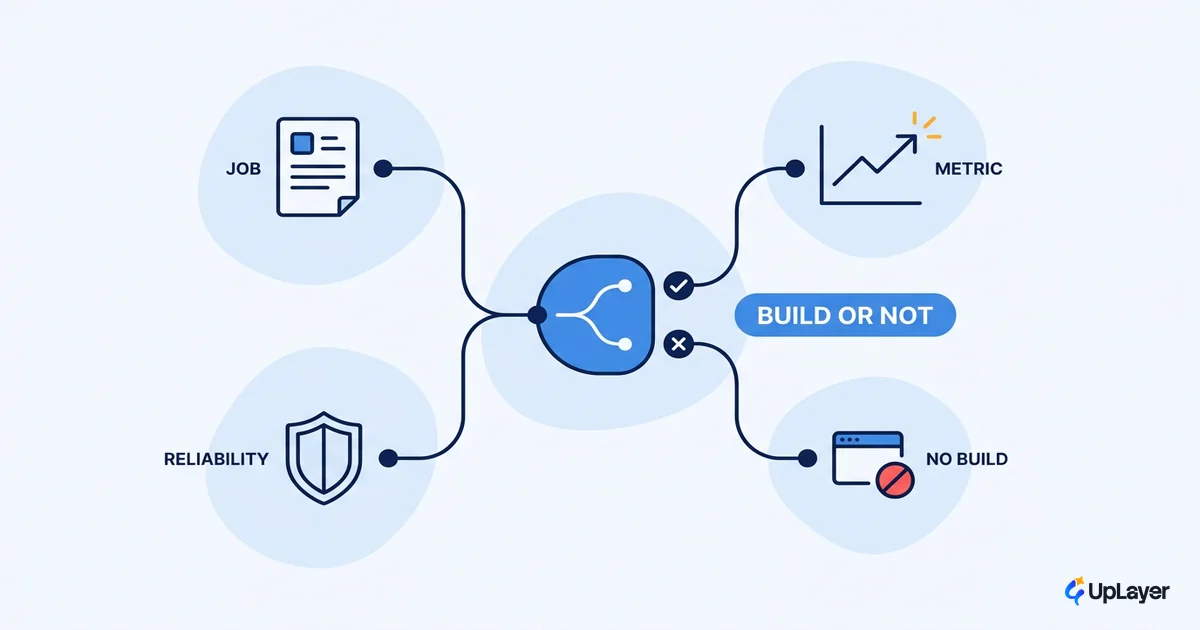
Designing AI features that earn their place
Designing AI features starts with a build/no-build test: the supportive-AI rule for the job, the metric, and the trust signals that drive real adoption.
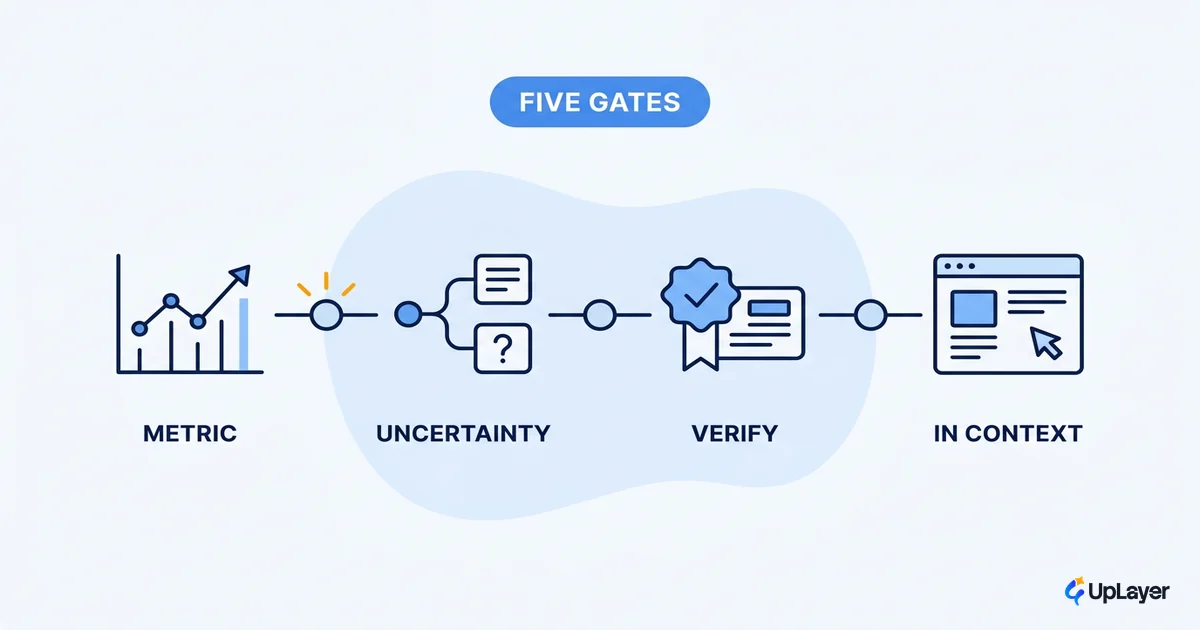
How to design AI features users actually adopt
How to design AI features users adopt: gate every step on a metric, design the uncertain states, make output verifiable, and place it where work happens.
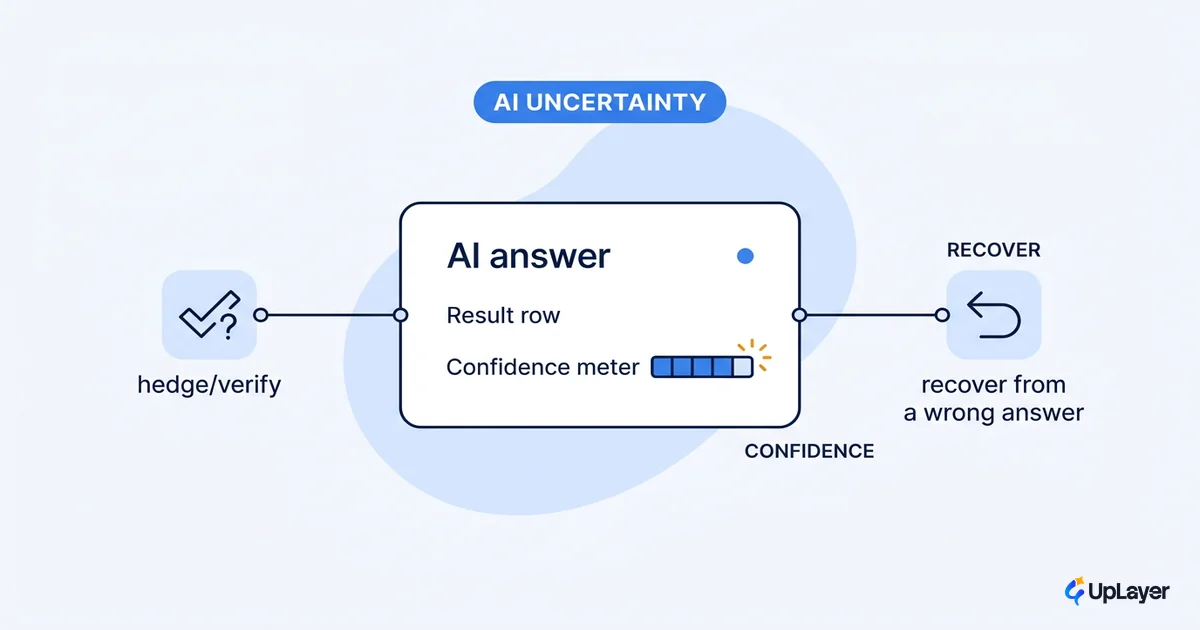
Designing for AI uncertainty without losing trust
Designing for AI uncertainty is a UX decision: how to show confidence, hedge gracefully, and recover from wrong answers so users keep trusting the feature.
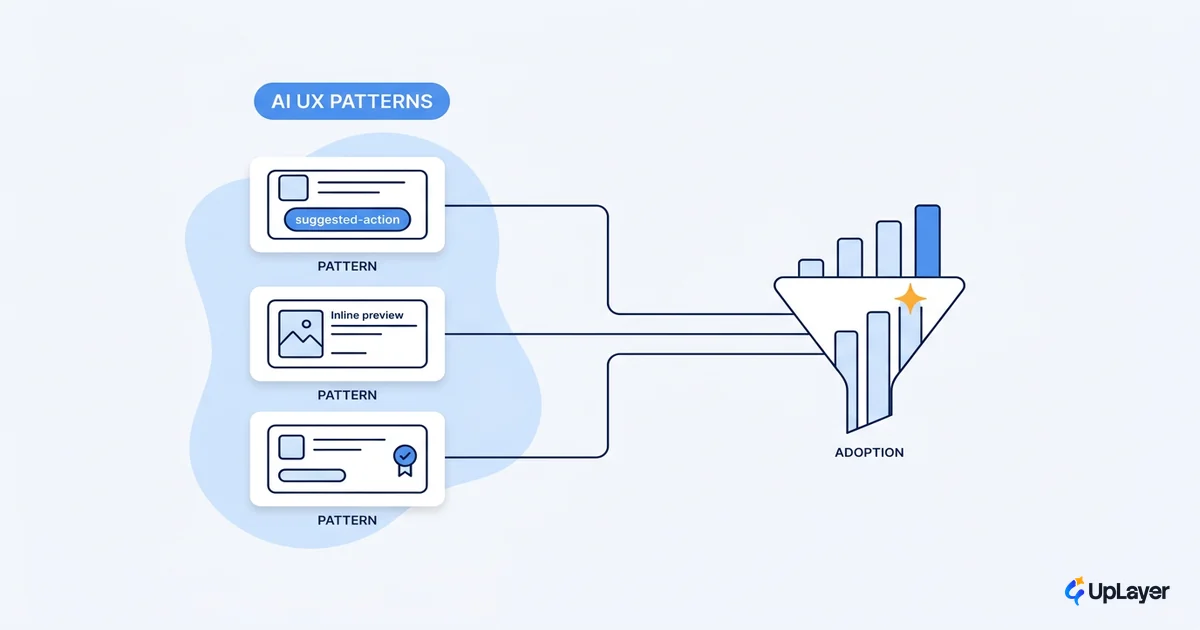
AI UX patterns that drive feature adoption
A field guide to the AI UX patterns that drive feature adoption, each one mapped to the exact activation, trust, or retention metric it actually moves.
AI ROI & Strategy
38 articles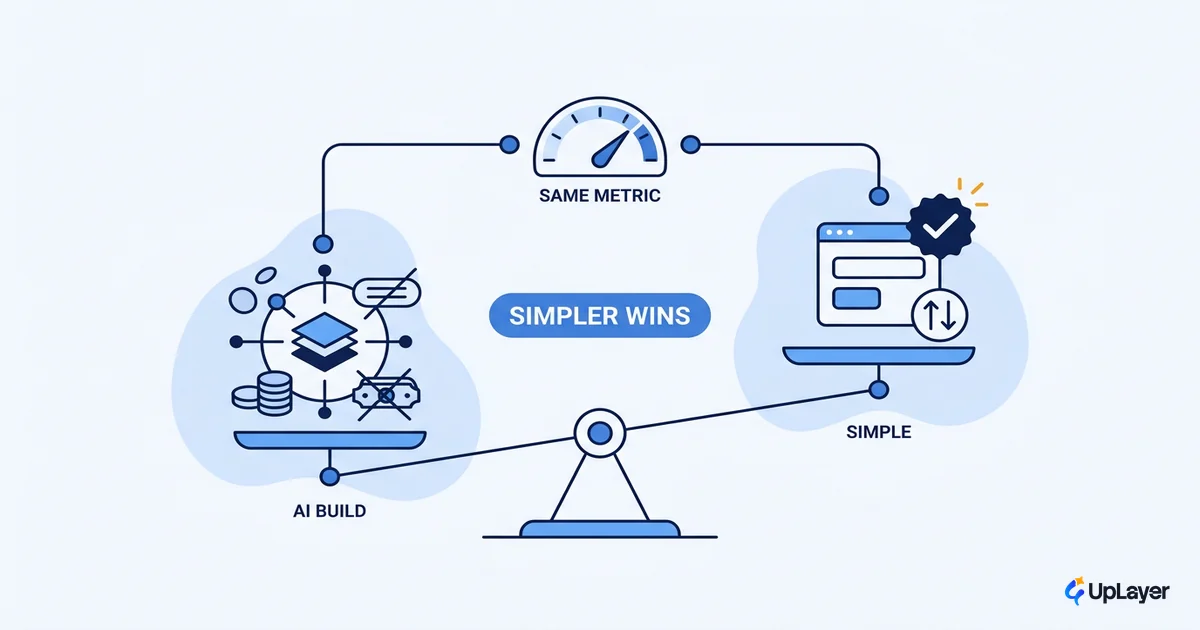
When a simpler feature beats an AI feature on ROI
When to use AI in product and when a form, rule, or sort wins on ROI. The cost-and-return test to run before you commit budget to an AI build.
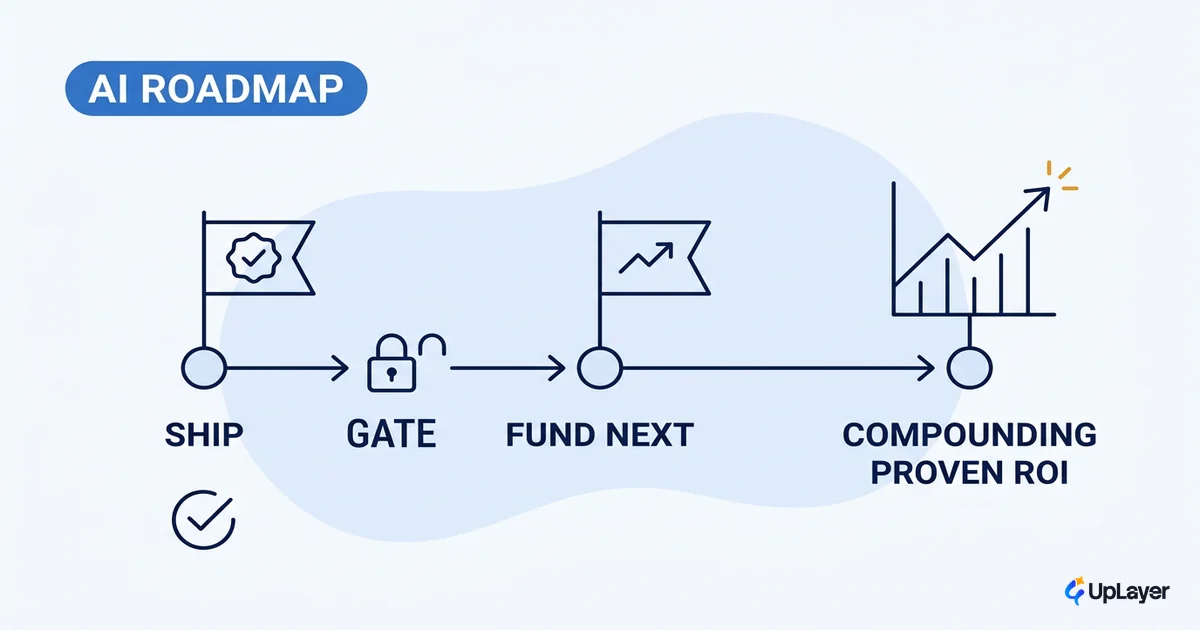
Turn your AI adoption roadmap into proven ROI
Build an AI adoption roadmap that proves ROI release by release. Sequence each item as a metric bet, validate the delta, then fund the next layer of work.
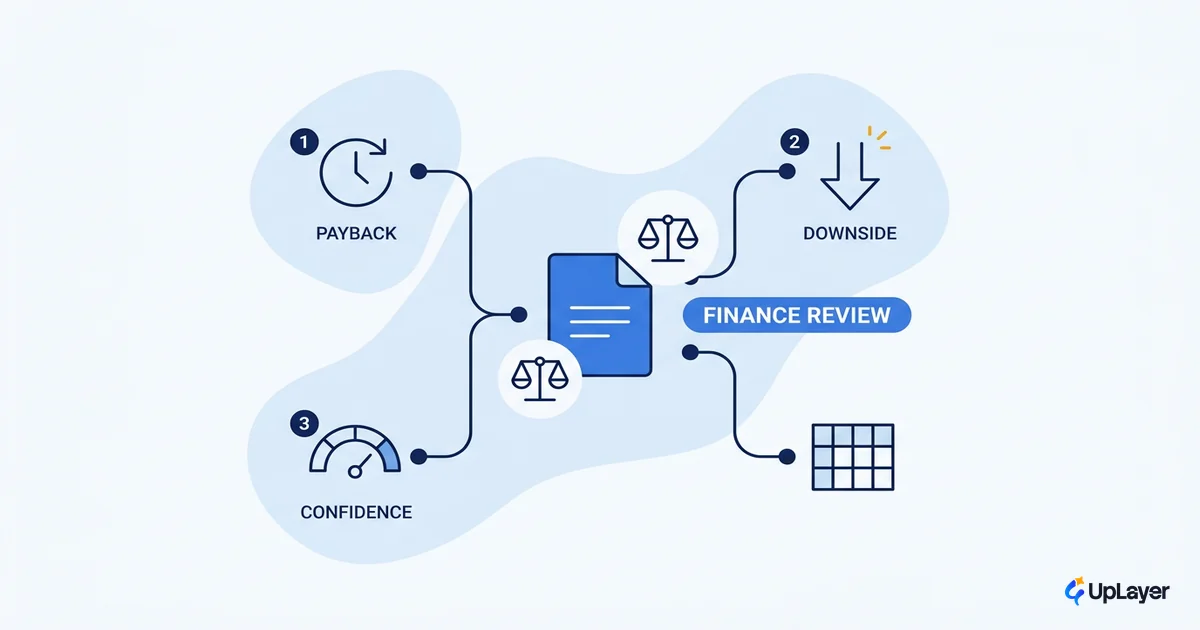
How to defend an AI business case to finance
Your AI business case dies in the finance meeting unless it carries a conservative number, a sensitivity range, and a payback period a CFO trusts.
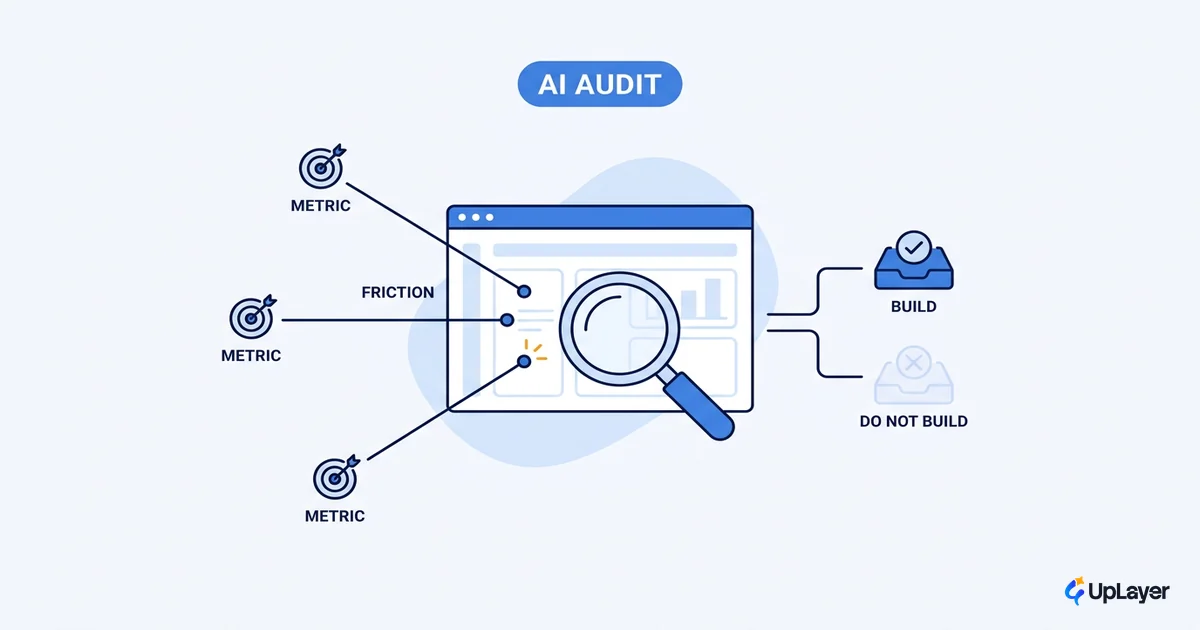
How to run an AI opportunity audit on your SaaS
An AI opportunity audit walks your existing SaaS surface, maps each friction point to a metric you already track, and ranks every candidate by projected ROI.
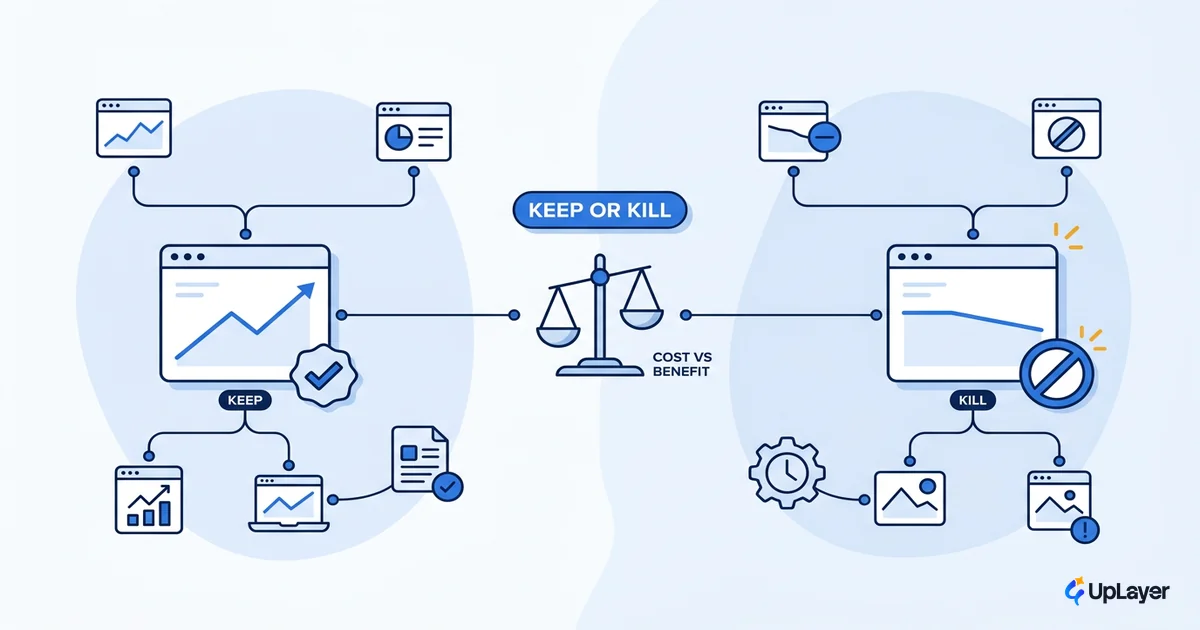
How to kill an AI feature that is not paying off
AI feature prioritization includes deletion. Learn the signals an AI feature is dead, the cost-benefit gate that decides, and how to sunset it cleanly.
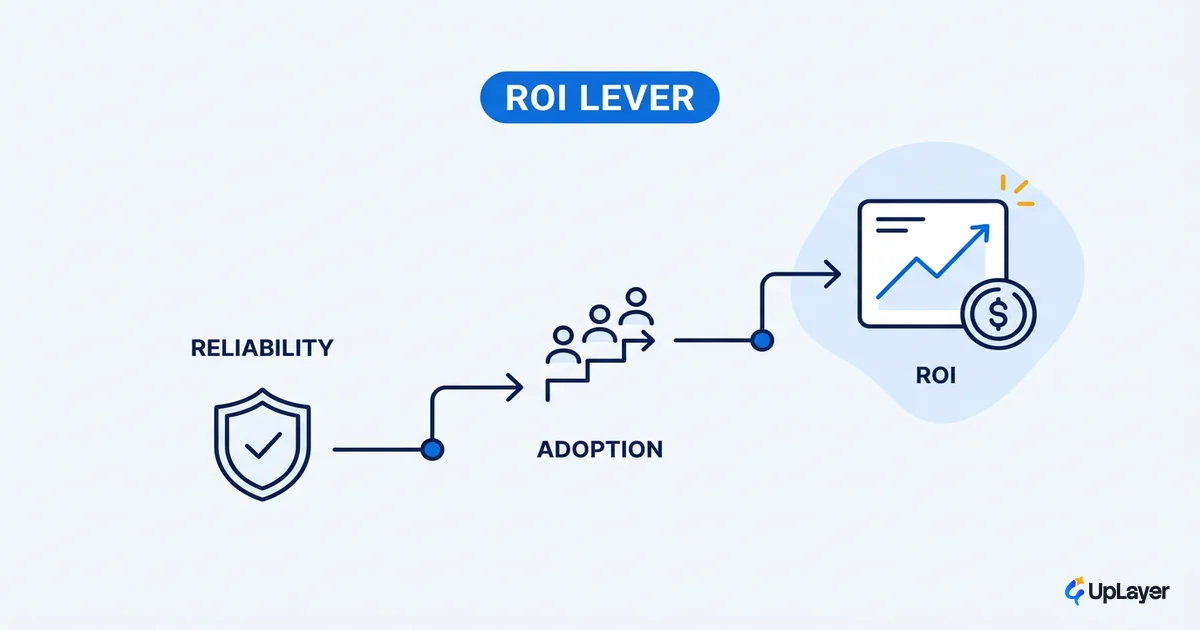
How reliability becomes an AI ROI lever
Reliability is an AI ROI input, not a nice-to-have. A feature users don't trust gets no adoption and no return. Here's the math and how to defend the spend.
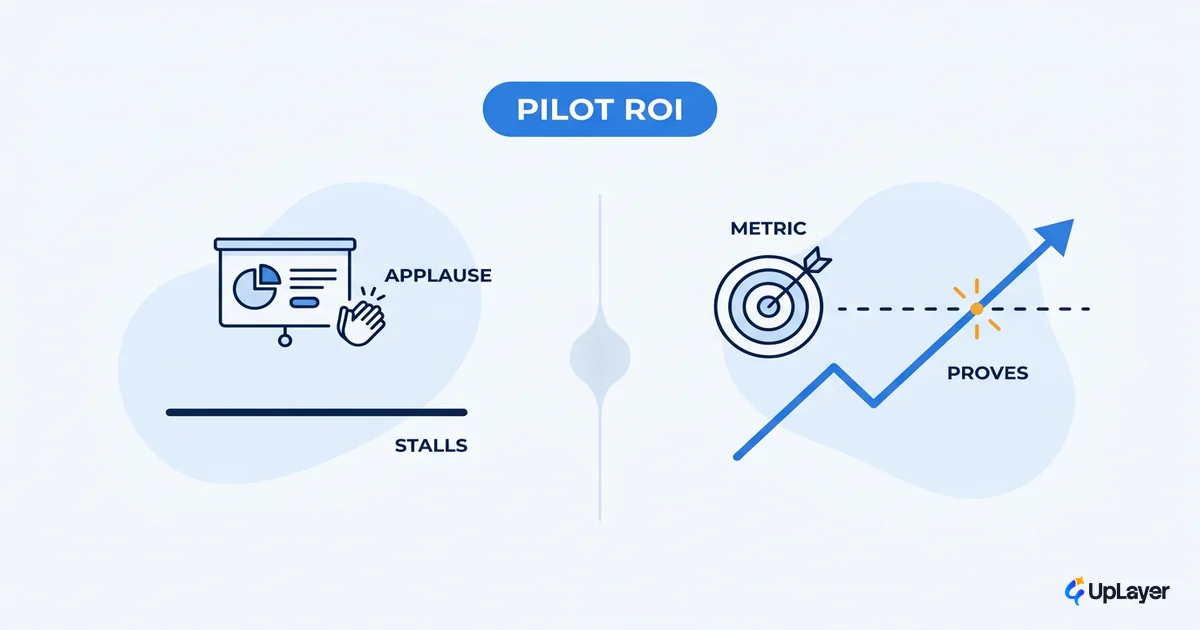
Why AI pilots stall before they show ROI
Most AI pilots die at the demo because they target applause, not a metric. Here's how the ROI of AI gets lost and how to design a pilot that proves it.
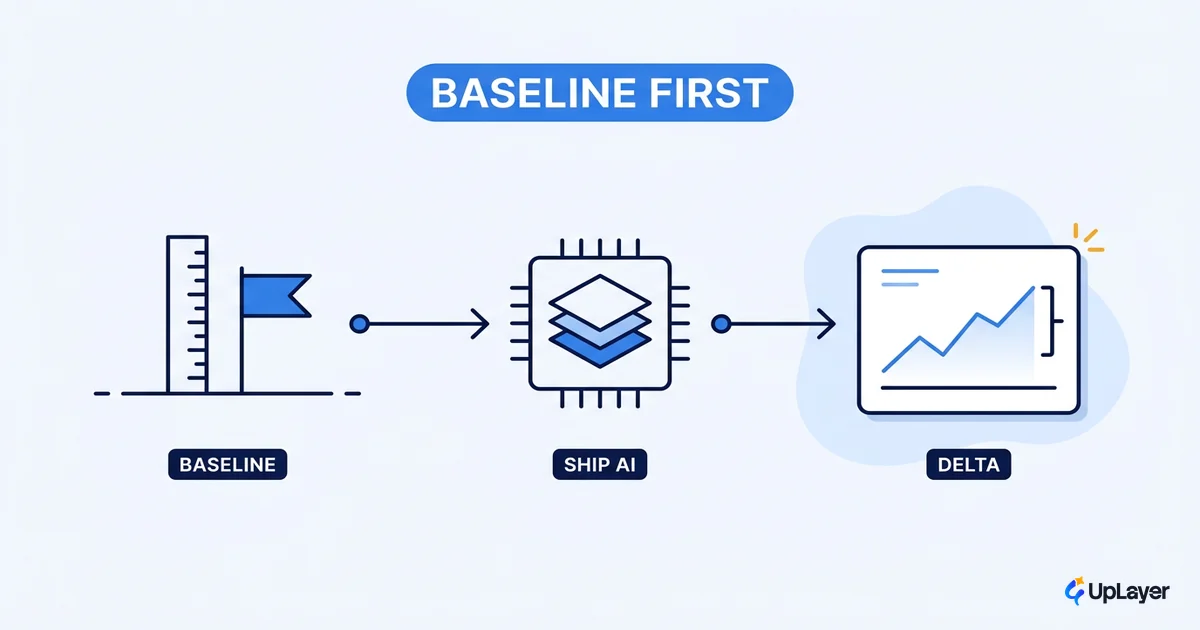
How to measure AI ROI: set a baseline first
How to measure AI ROI starts before you ship. Capture a metric baseline first, so the after-number is provable evidence and not a story you tell later.
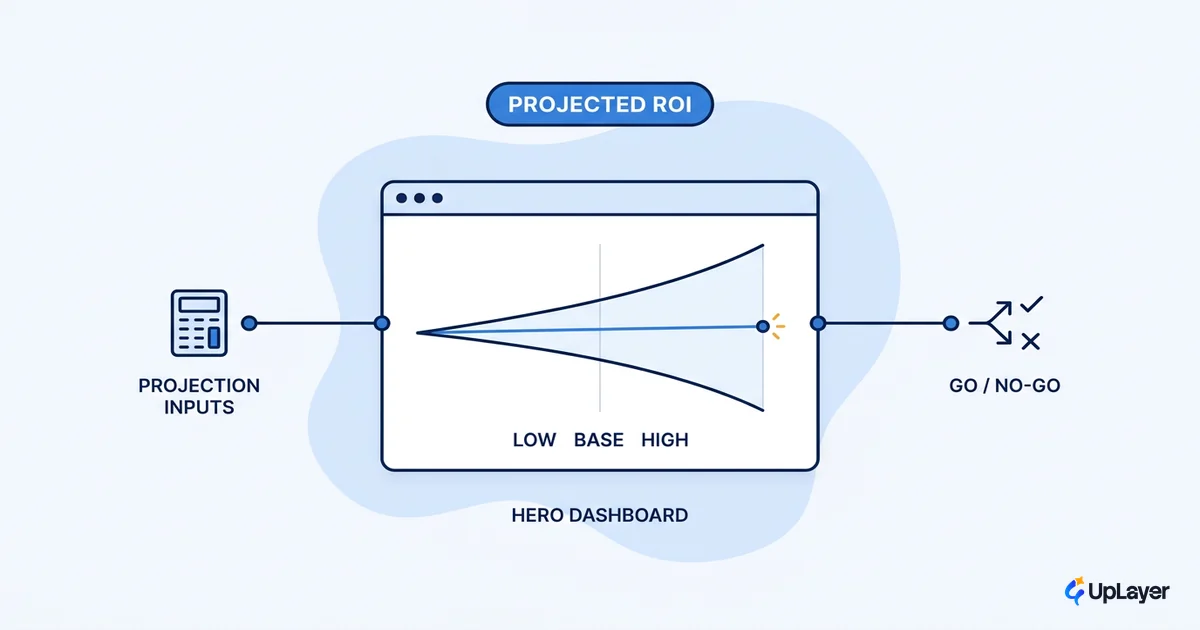
How to project AI ROI before you build with a calculator
Use an AI ROI calculator to project an AI feature's return before you write code: stated assumptions, honest ranges, and a gate that kills weak bets.
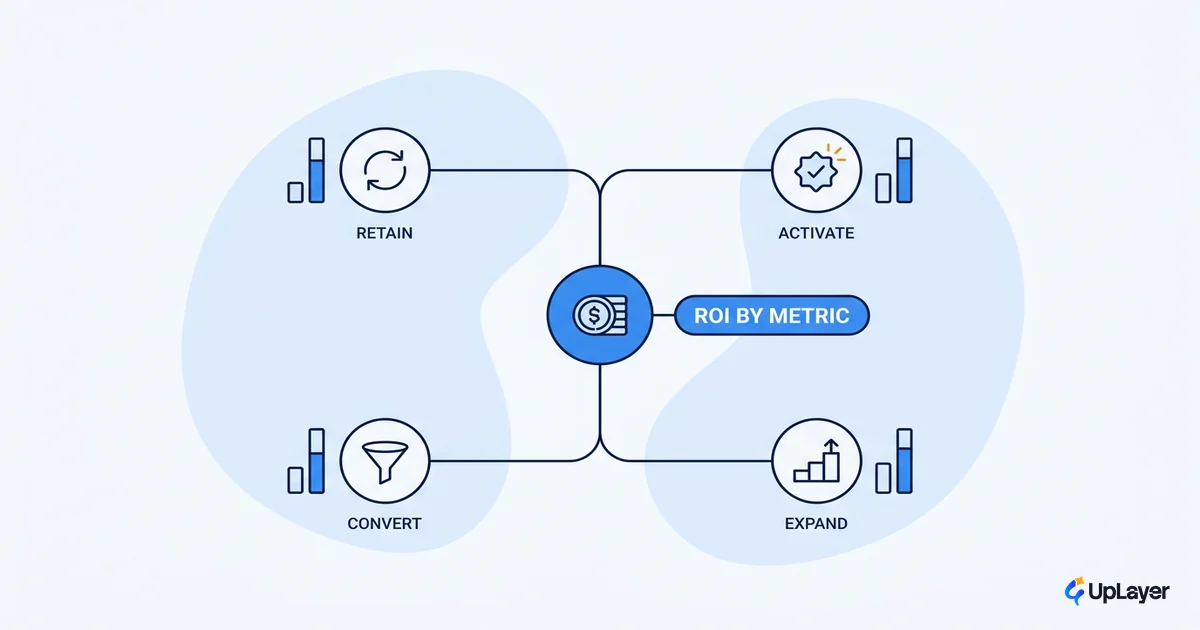
AI ROI metrics: churn, activation, conversion, expansion
AI ROI metrics differ by the number you target. A map from churn, activation, conversion, and expansion to the AI layer that moves each one.
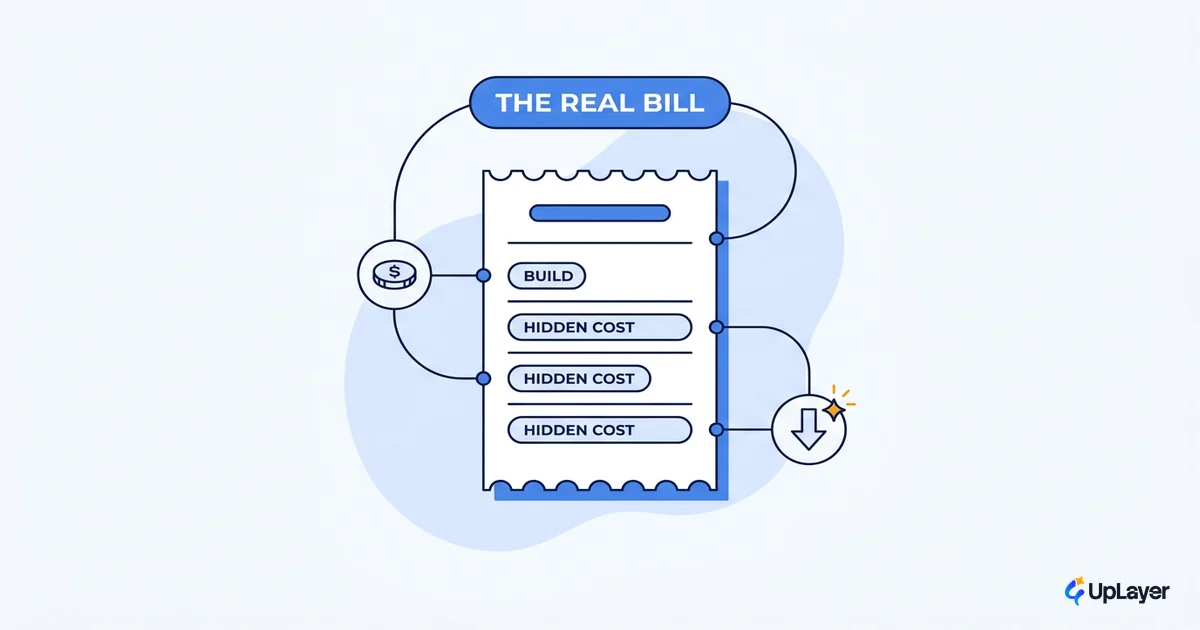
The AI cost benefit analysis most teams skip
An honest ai cost benefit analysis prices the full bill of a wrong AI feature: sunk build, maintenance, opportunity cost, and lost user trust.
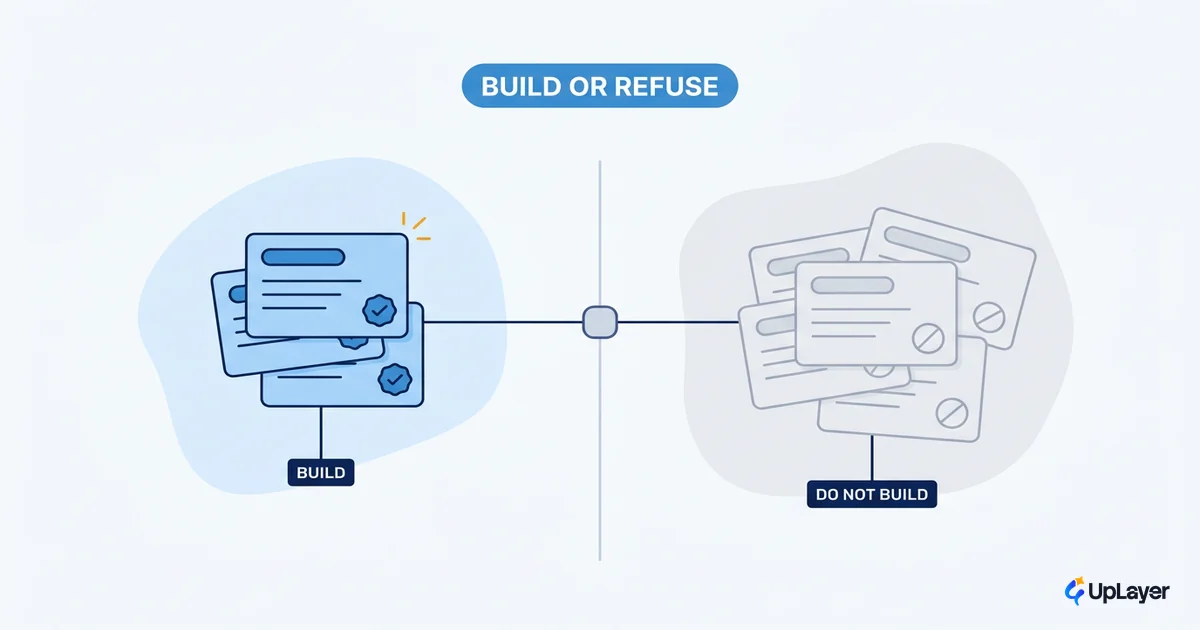
Which AI features to build (and which to refuse)
An anti-hype catalog of the AI features that demo well and move nothing, plus a one-line test for which AI features to build and which to cut in planning.
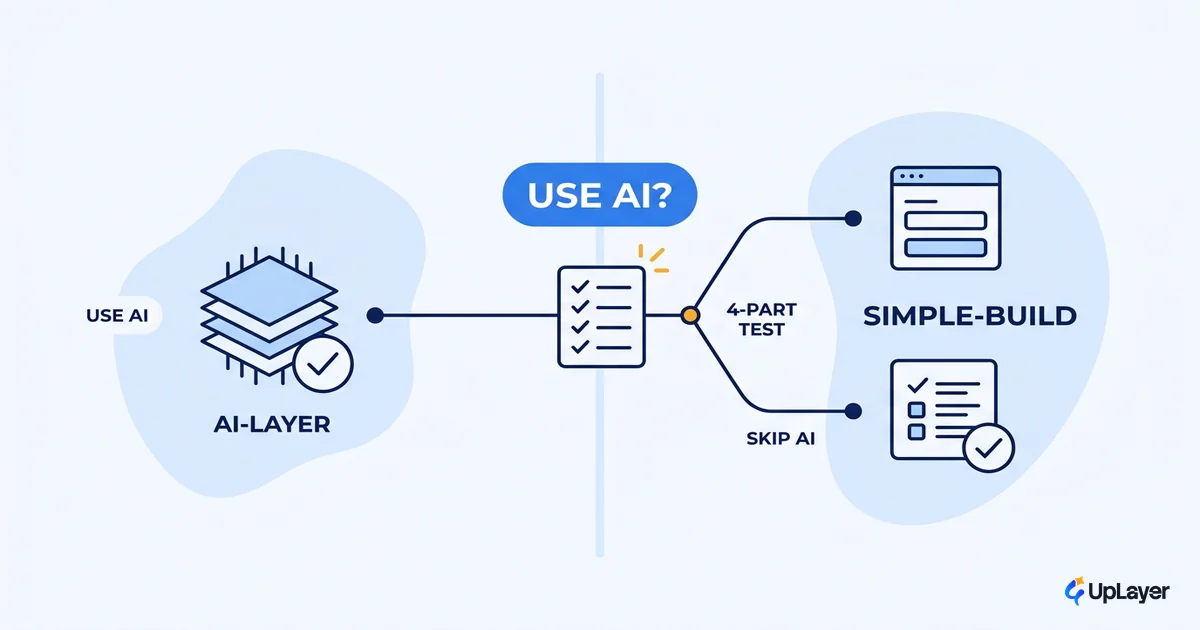
When to use AI in your product and when not to
A founder's four-part test for when to use AI in your product, and when a simpler build wins. AI is one tool among many, tied to a metric you already track.
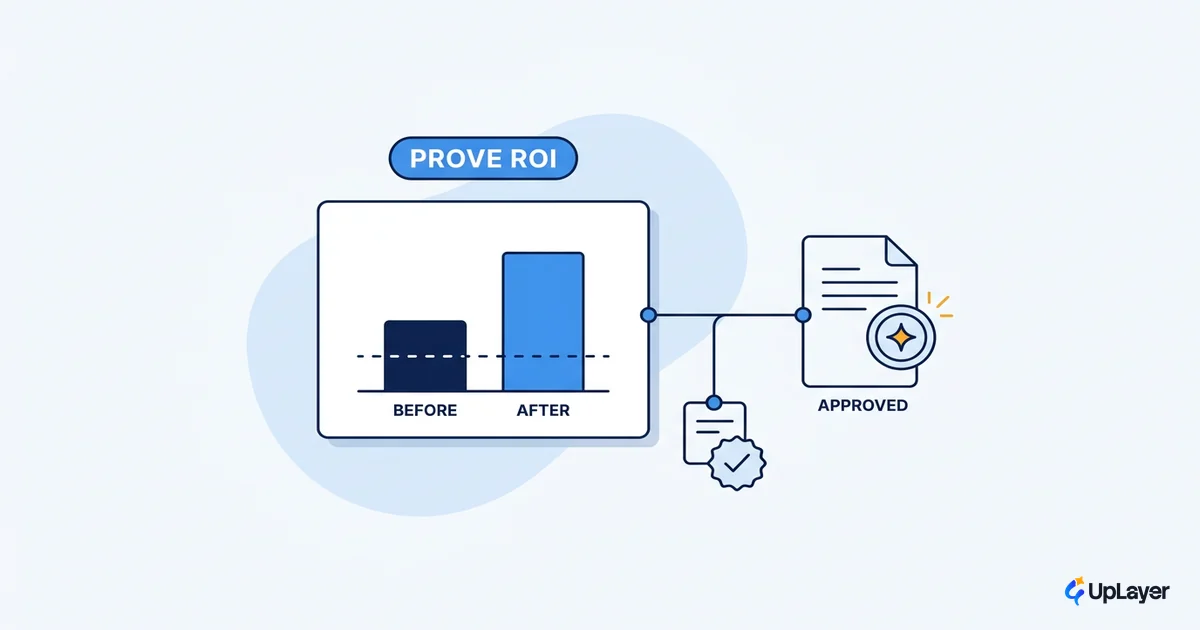
How to prove AI ROI to your leadership
How to prove AI ROI to your leadership: a before-and-after on a metric they already watch, set up so the win is undeniable and survives finance scrutiny.
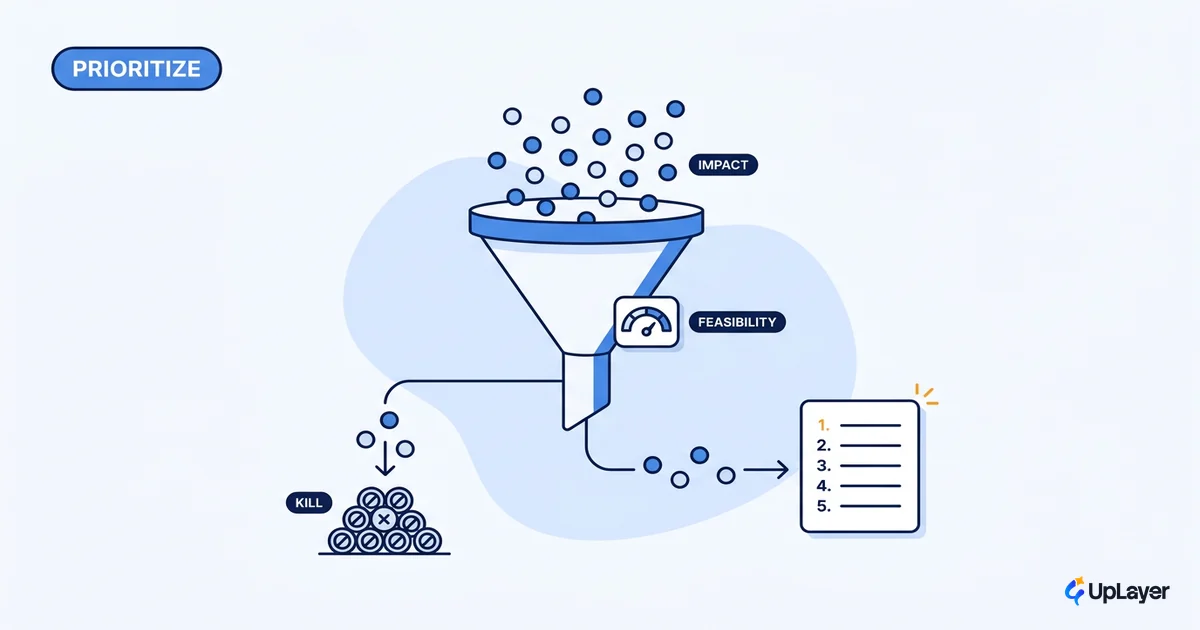
How to prioritize AI use cases that pay off
AI use case prioritization decides ROI before a line of code. Learn to rank capability bets by projected metric impact and feasibility, then kill the rest.
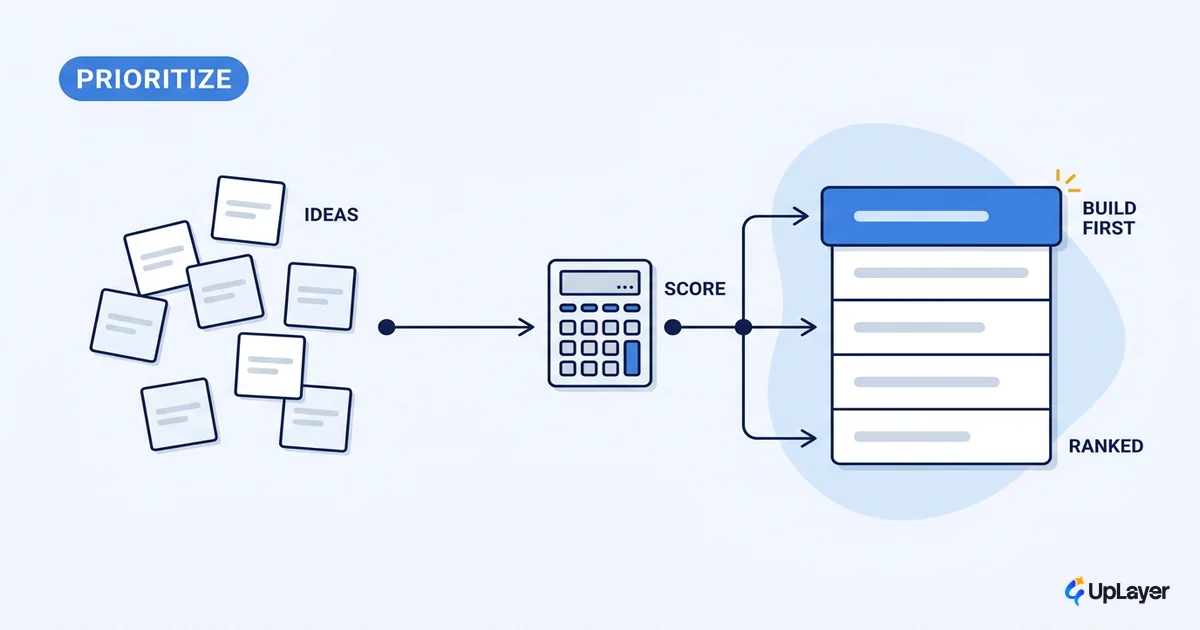
How to prioritize AI features by projected ROI
How to prioritize AI features in five steps: tie each idea to a metric you already track, score it by projected ROI, and ship the cheapest proof first.
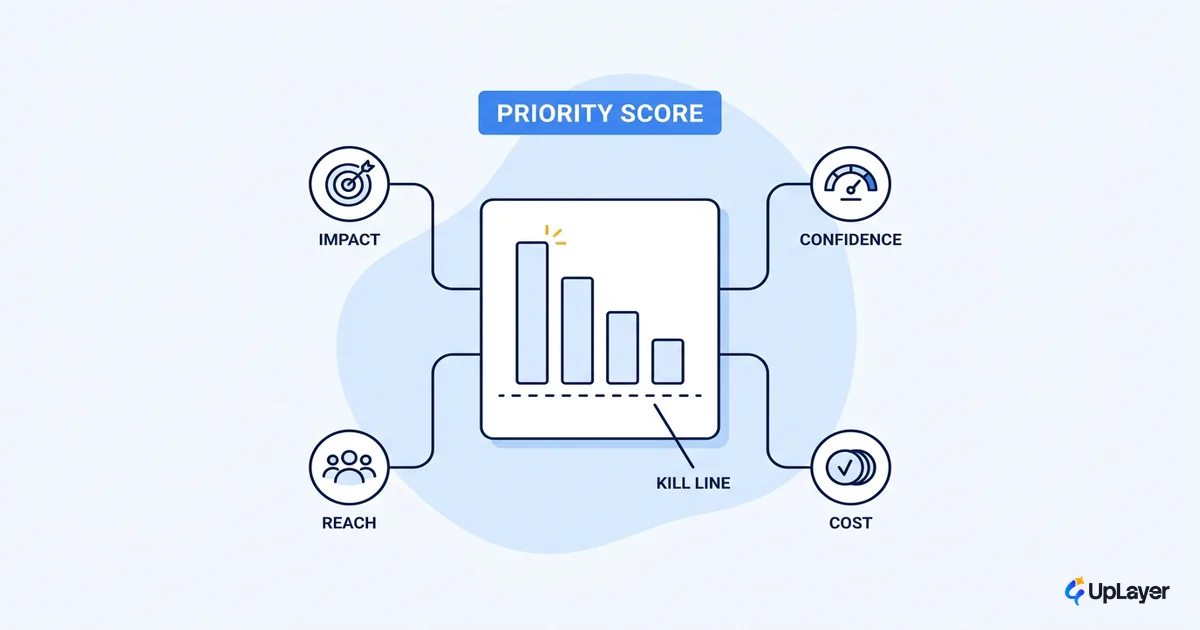
AI feature prioritization without the guesswork
AI feature prioritization is arithmetic, not opinion. Score each idea on projected metric impact and cost, discount for confidence, then sort the list.
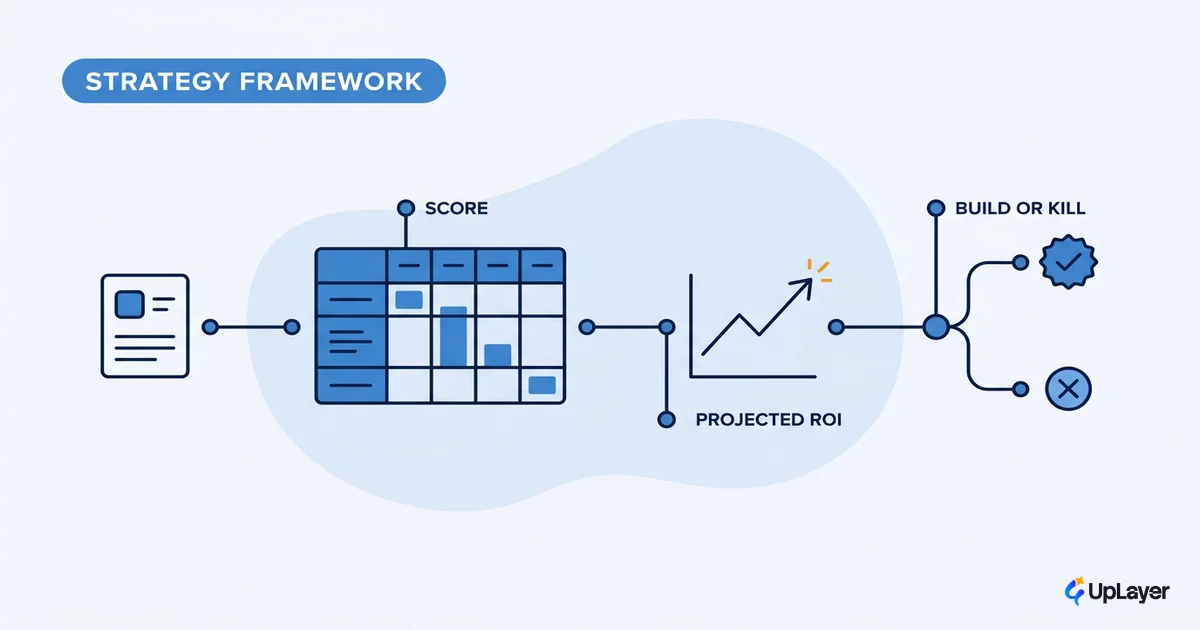
An AI product strategy framework you can run
An AI product strategy framework is a repeatable scorecard from opportunity to projected ROI to a build-or-kill call. Here is the one you can run.
AI Experience (AX) Audit
Find out which opportunity is actually worth building
The audit looks at your product and your metrics, then tells you where AI earns its place and where it does not.
How the audit works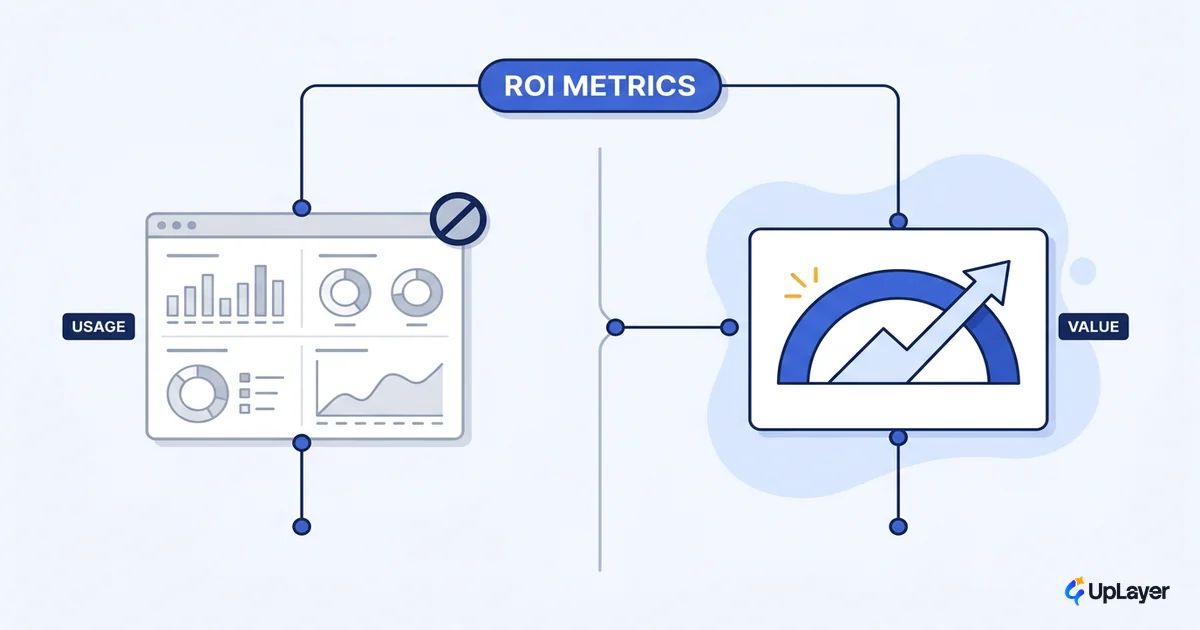
The AI ROI metrics that actually matter
AI ROI metrics are not feature metrics. Pick the one business number your AI feature should move, set a baseline, and measure the delta on that.
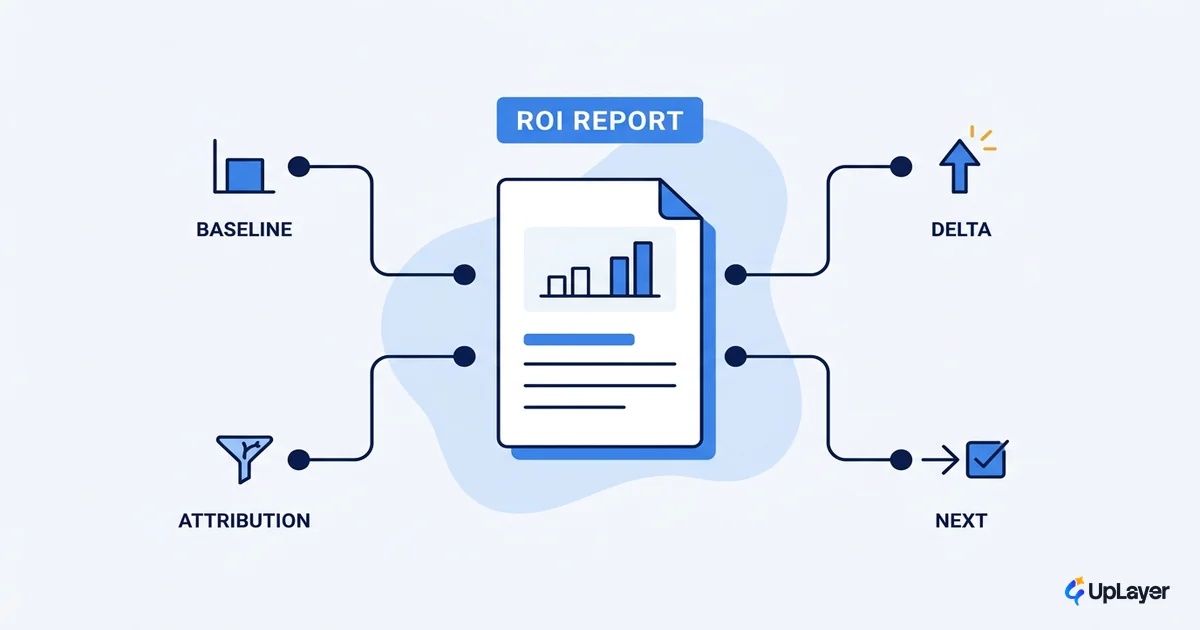
What belongs in an AI ROI report
An AI ROI report should prove one thing: did the feature move a metric you already track. The four-part structure, the metrics, and what to cut.
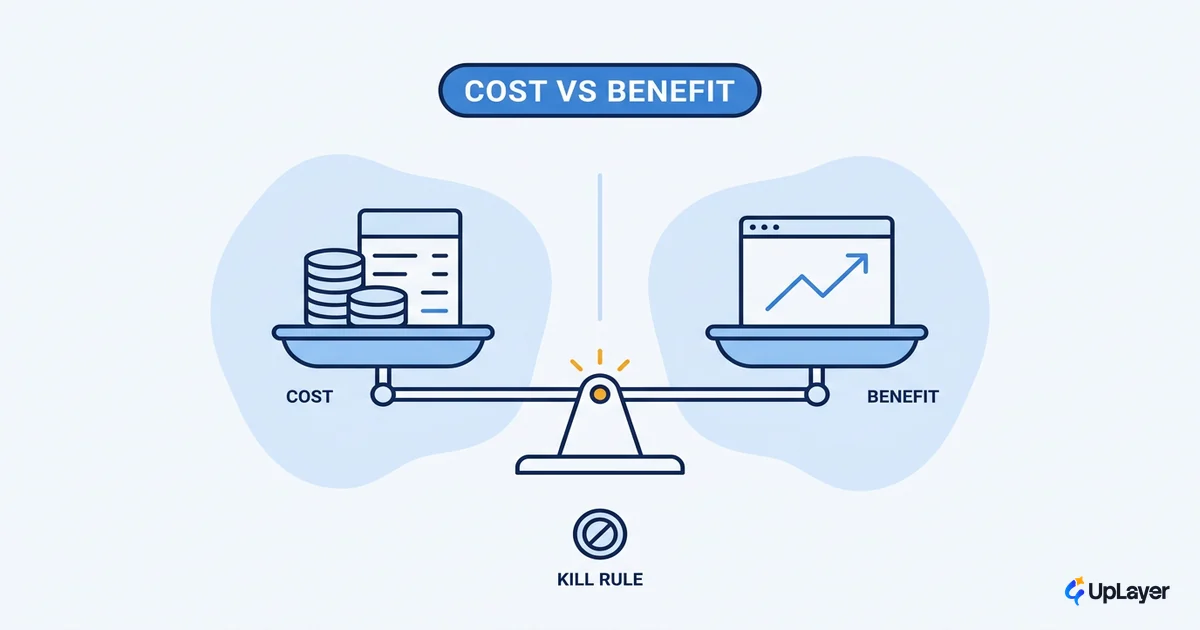
How to run an AI cost benefit analysis
An AI cost benefit analysis weighs the full lifetime cost of an AI feature against its projected benefit. Here is the method, cost ledger, and kill rule.
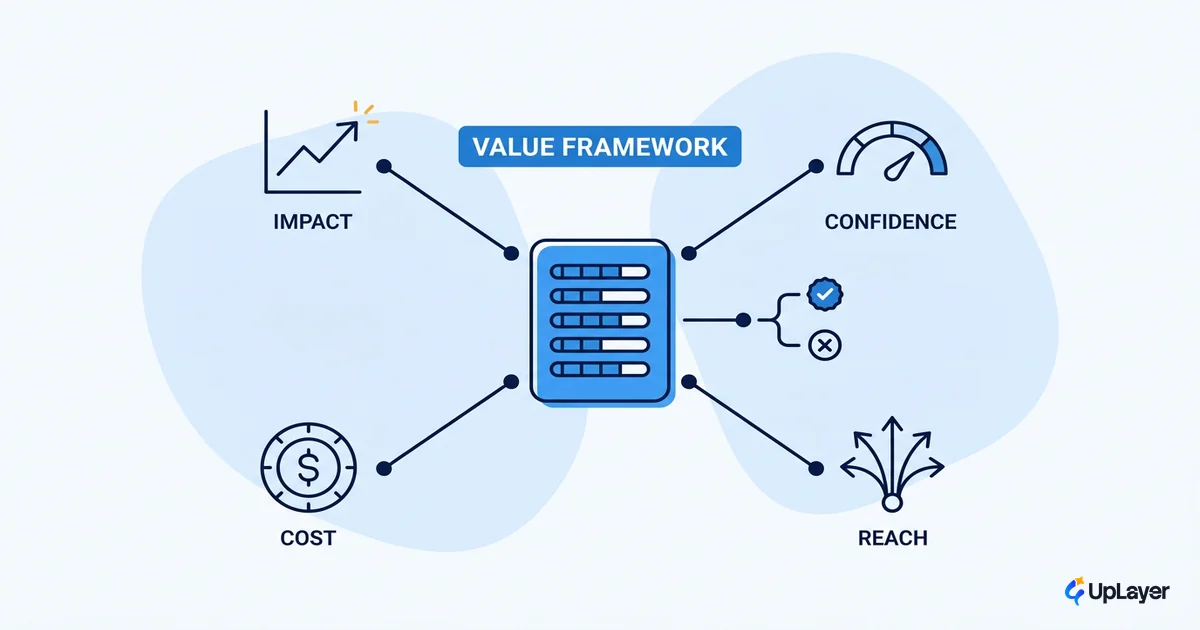
An AI value framework for product teams
An AI value framework scores any AI feature on metric impact, confidence, cost, and reach, so product teams build what pays off and kill what does not.
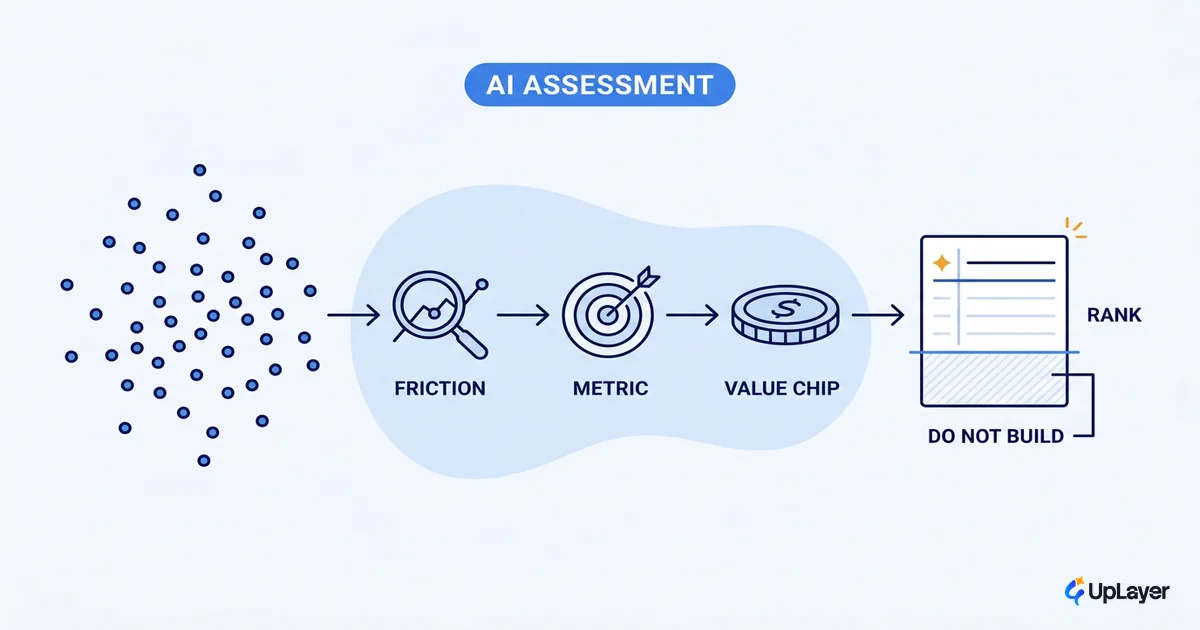
How to run an AI opportunity assessment
An AI opportunity assessment finds where AI moves a metric you already track. Here is the repeatable audit that ranks every opportunity by projected ROI.
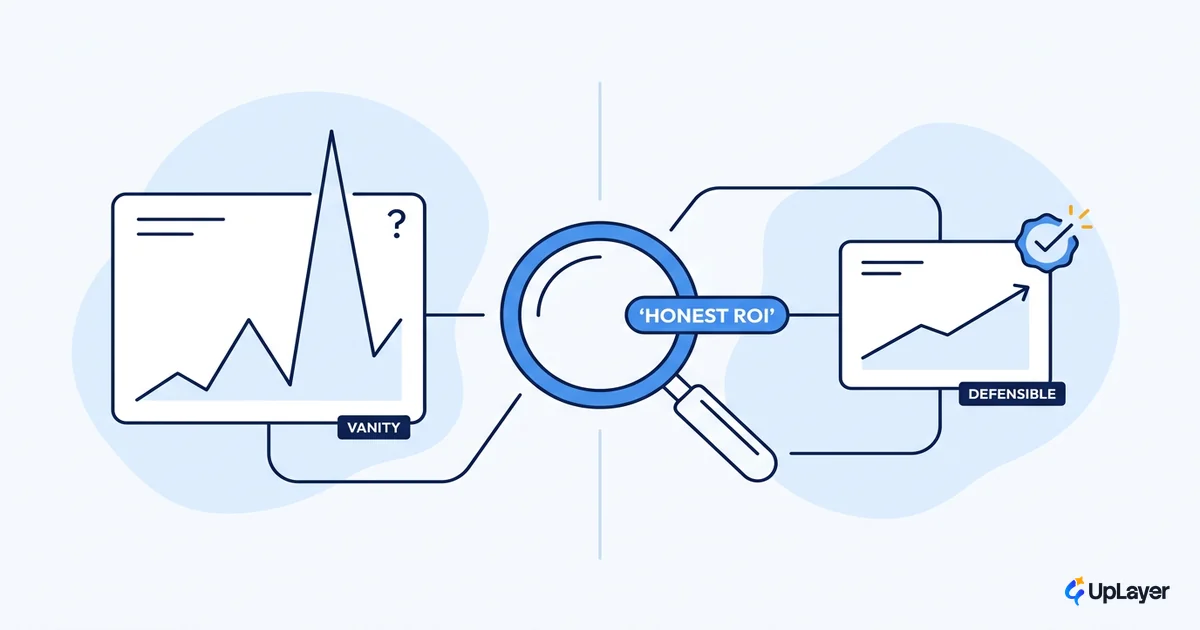
Measuring AI ROI without fooling yourself
Measuring AI ROI honestly means catching the traps that inflate the number: vanity metrics, missing baselines, and broken attribution. Here is how.
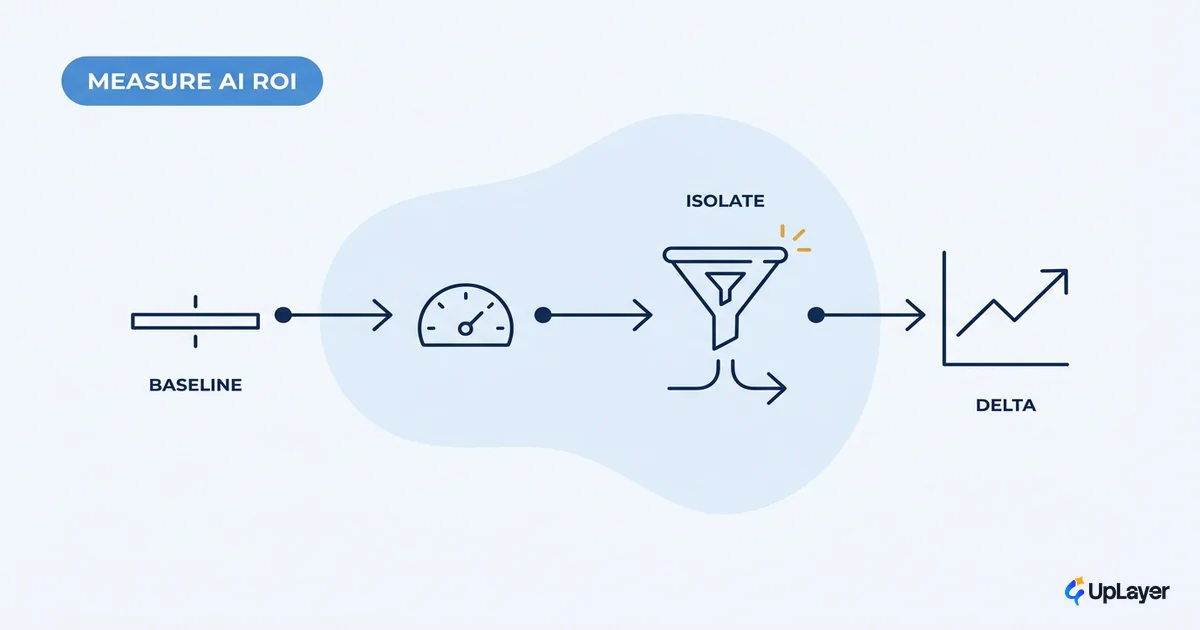
How to measure AI ROI, step by step
How to measure AI ROI honestly: a five-step loop and a clear formula to baseline, instrument, isolate the variable, and read the real, defensible delta.
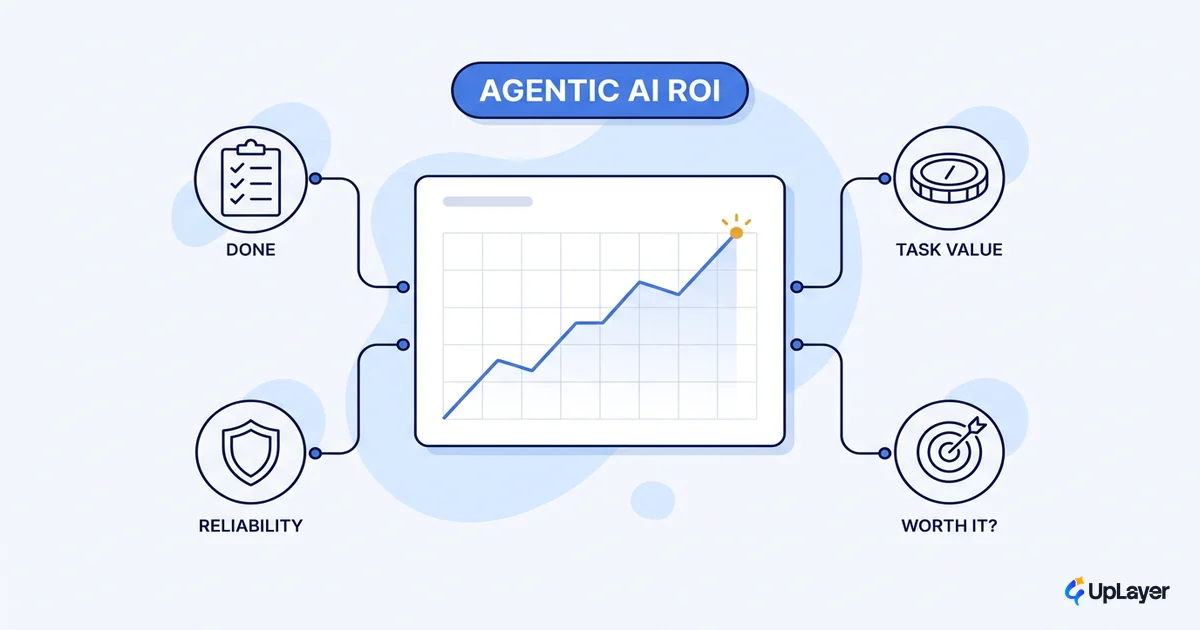
How to measure agentic AI ROI
Measure agentic AI ROI by completed-task value, not autonomy. A SaaS method that prices the reliability tax and tells you when an AI agent is worth it.
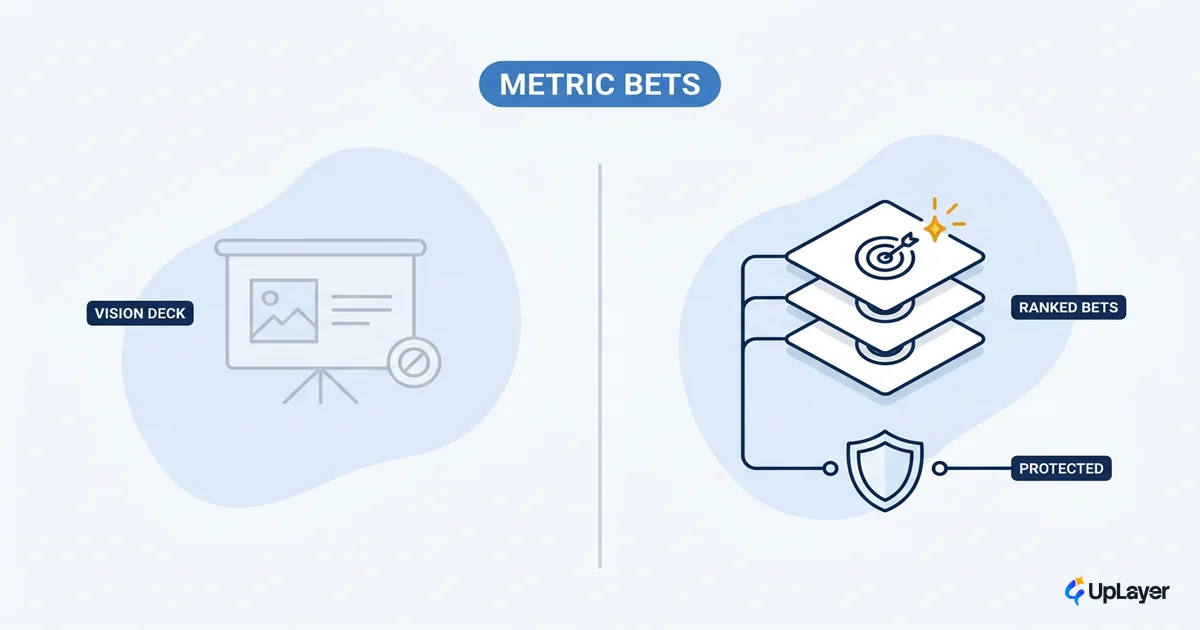
What AI driven product strategy gets wrong
An AI driven product strategy puts the wrong word in charge. The metric drives the roadmap, and AI is just one tool that has to win on projected ROI first.
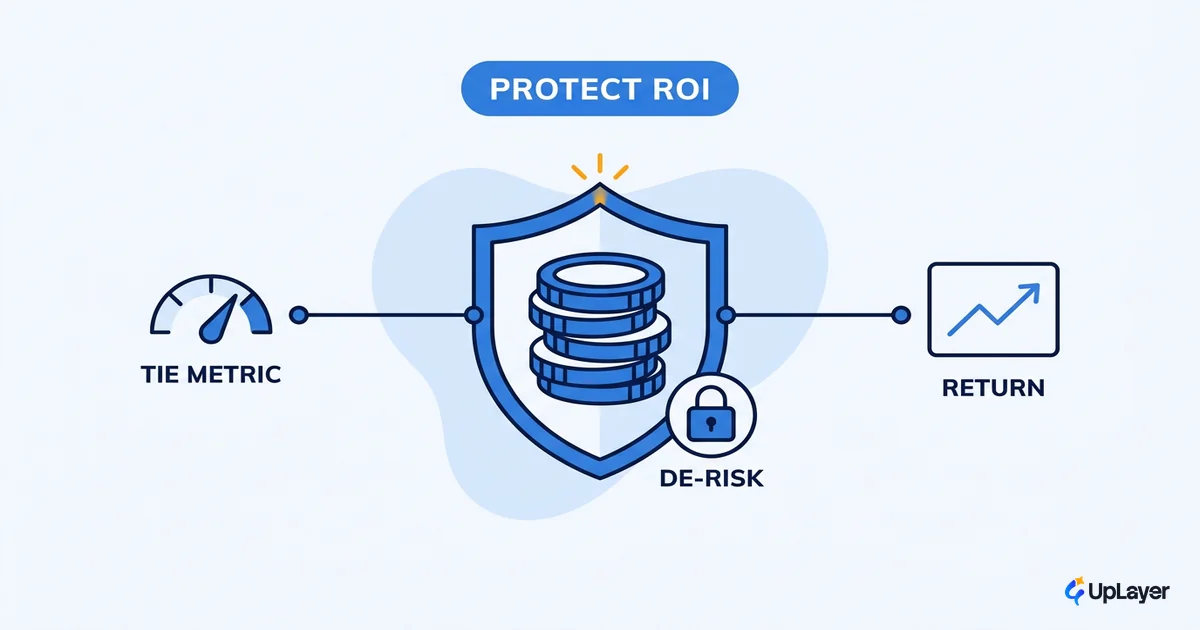
How to protect ROI on AI investments
Most AI spend leaks because nobody tied it to a metric. Here is how to structure ROI on AI investments so the return is provable, not hoped for.
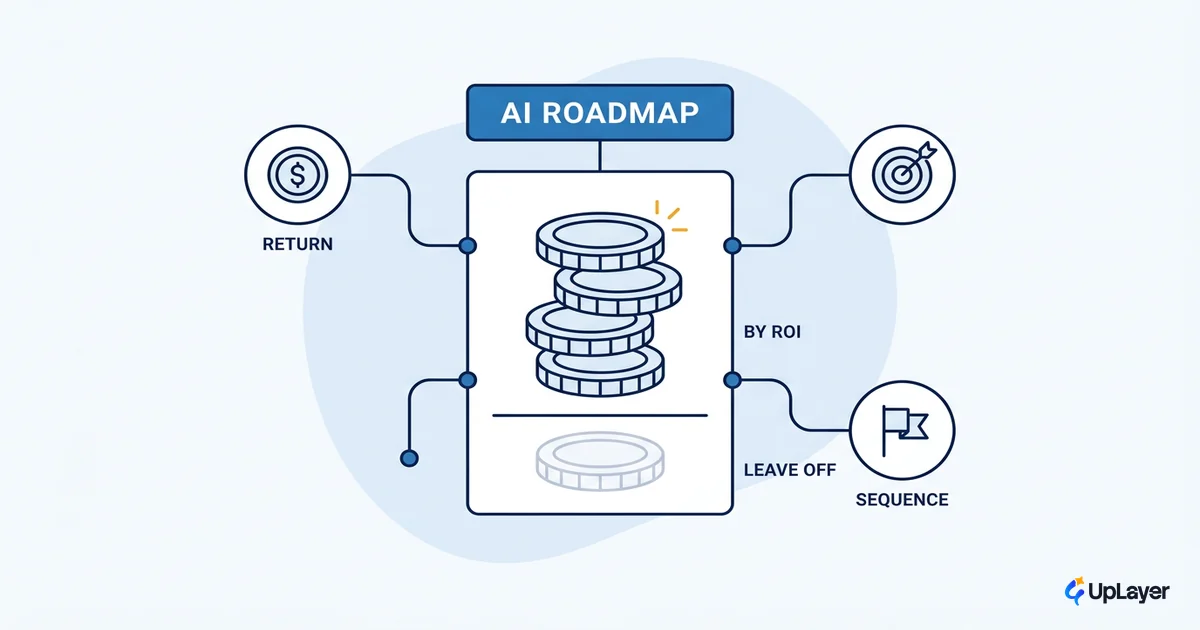
How to build an AI product roadmap by ROI
Build an AI product roadmap that ranks features by projected ROI, not by what demos best. Get the scoring method, the kill list, and a clear 5-step build.
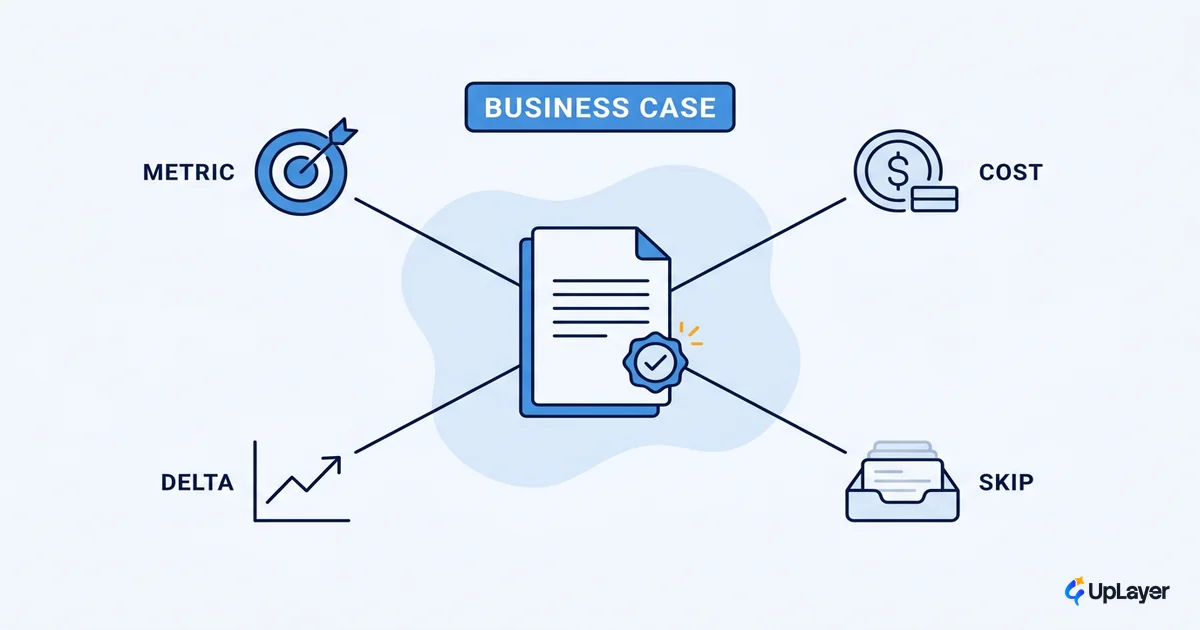
How to write an AI business case that survives review
Write an AI business case that survives finance review: one metric, a baseline, a projected delta, and an honest list of the features you chose to skip.
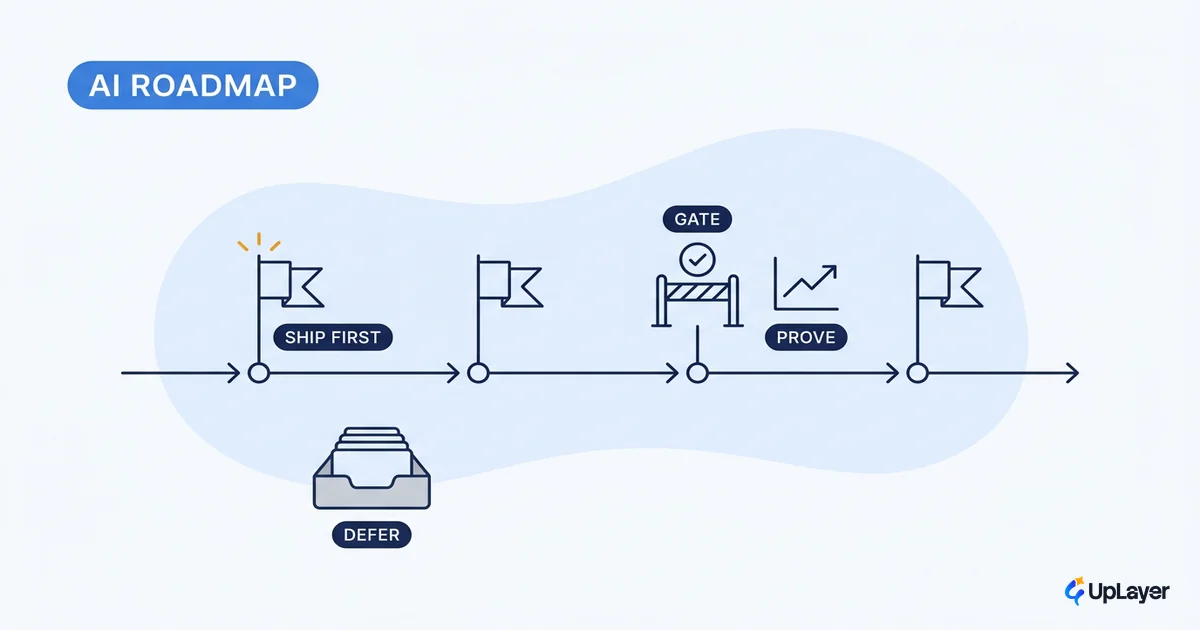
How to build an AI adoption roadmap
Build an AI adoption roadmap that ships the highest-ROI layer first and validates the number before the next release. Phases, gates, and what to leave off.
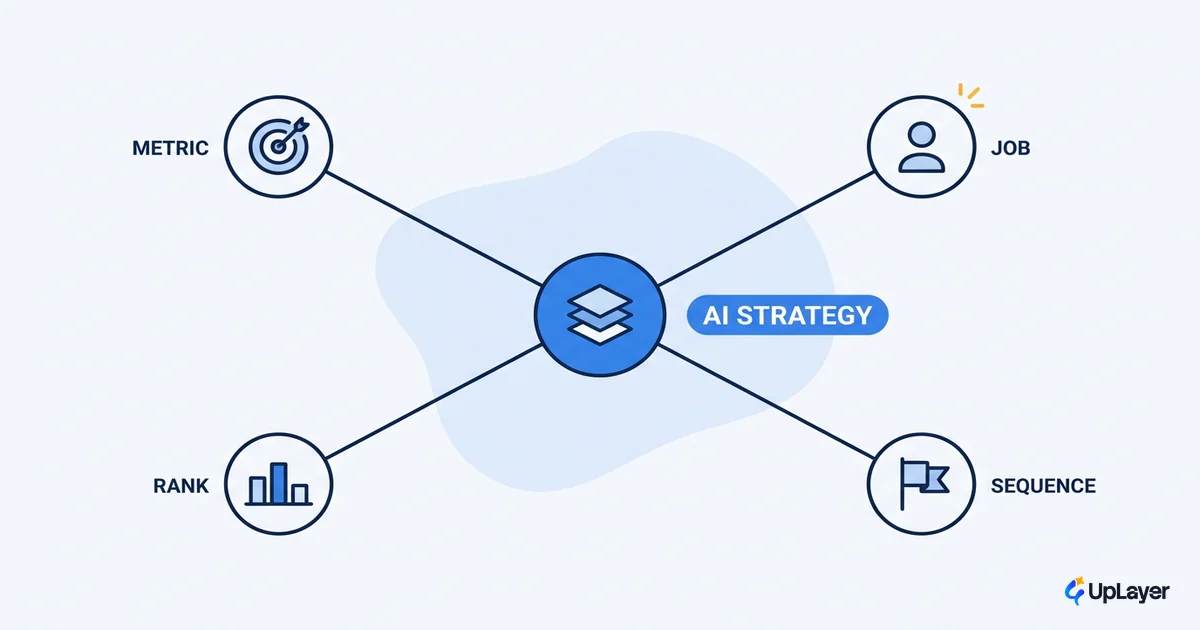
How to write an AI product strategy
An AI product strategy is a ranked sequence of metric bets, not a vision deck. Here is how to write one for B2B SaaS that actually moves a number.
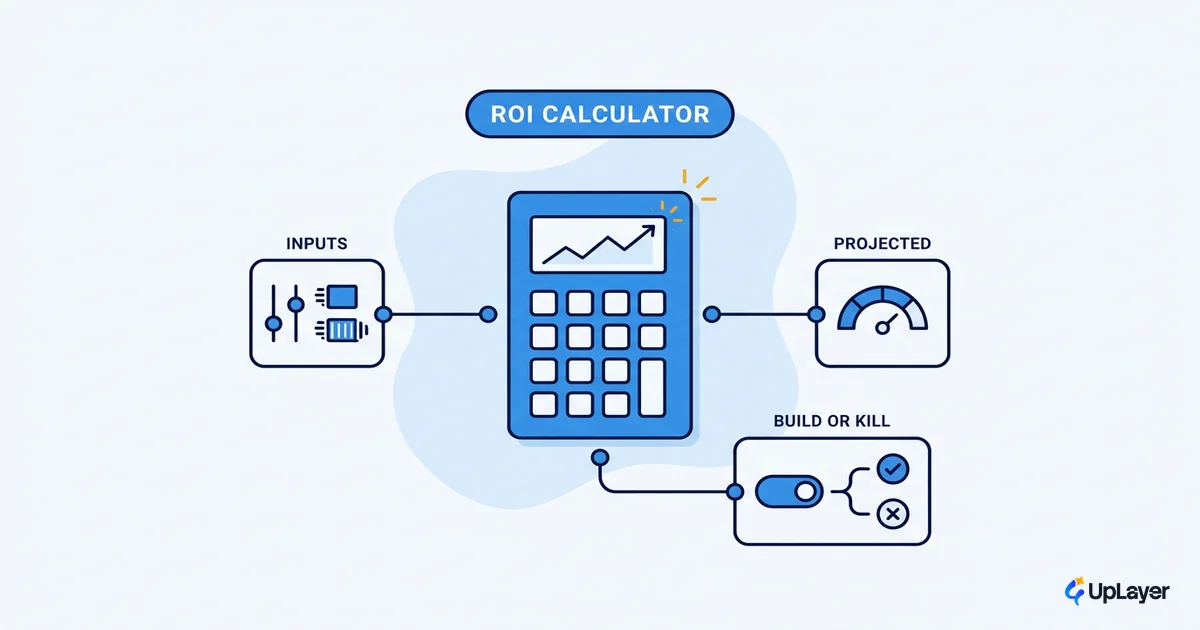
Why you need an AI ROI calculator before you build
An AI ROI calculator turns assumptions about an AI feature into a projected number, so the build decision is grounded in math, not a vibe or a vendor pitch.
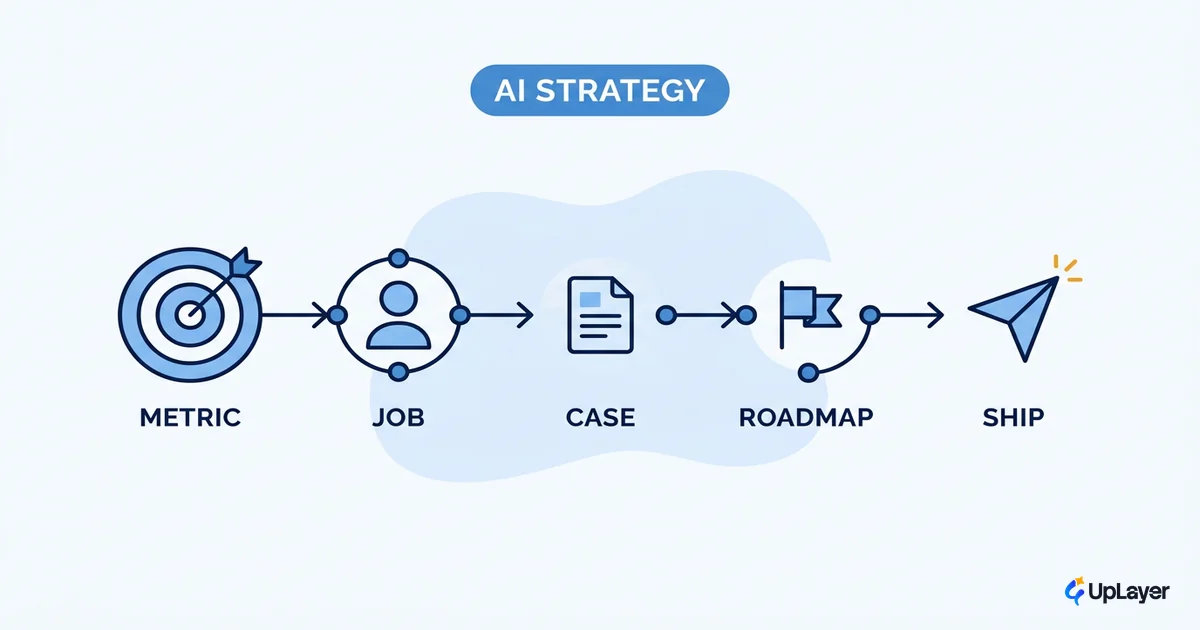
How to write an AI adoption strategy that ships
Write an AI adoption strategy from a metric and a buyer's job, not a model. The order of operations to build the business case, sequence the roadmap, and ship.
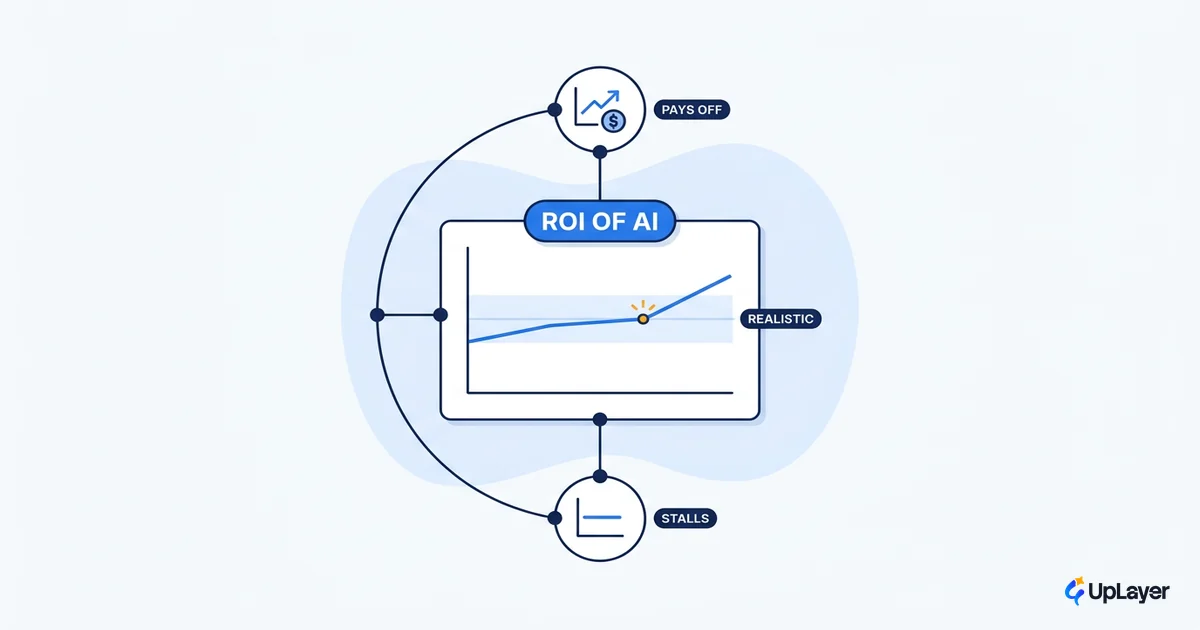
The ROI of AI: what return you should actually expect
The honest roi of ai for SaaS: where it pays off, where it stalls, and why most projections miss. A grounded view of returns you can defend in finance.
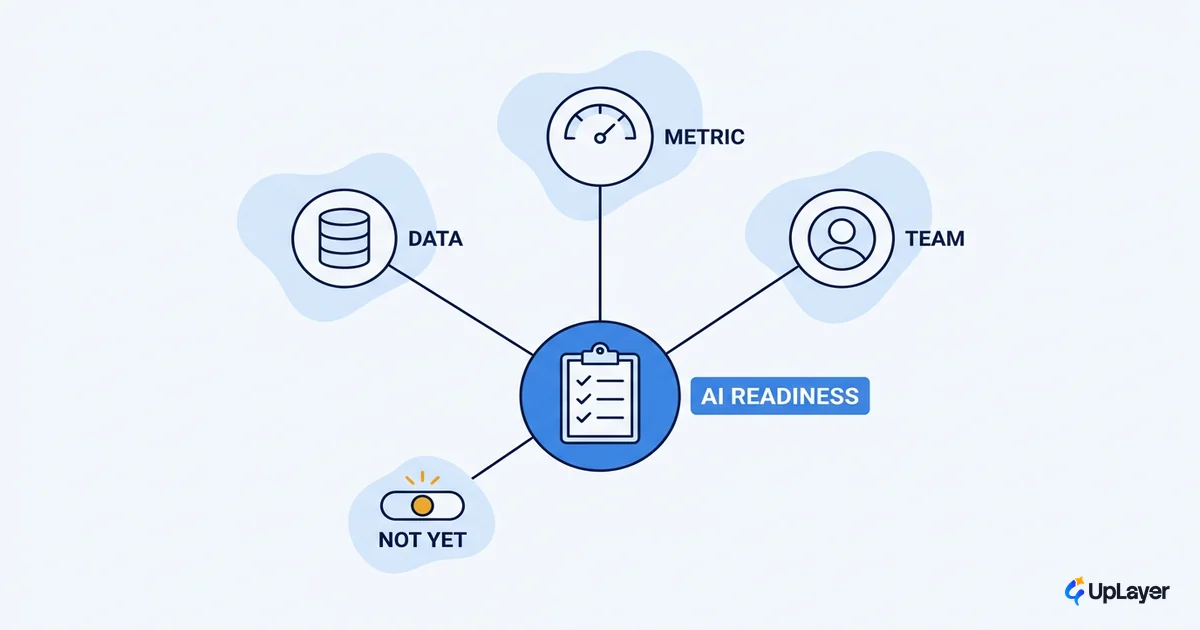
The AI readiness assessment most teams skip
An honest AI readiness assessment for SaaS teams: score your data, metric, and team capacity before you build, and know when to say not yet.
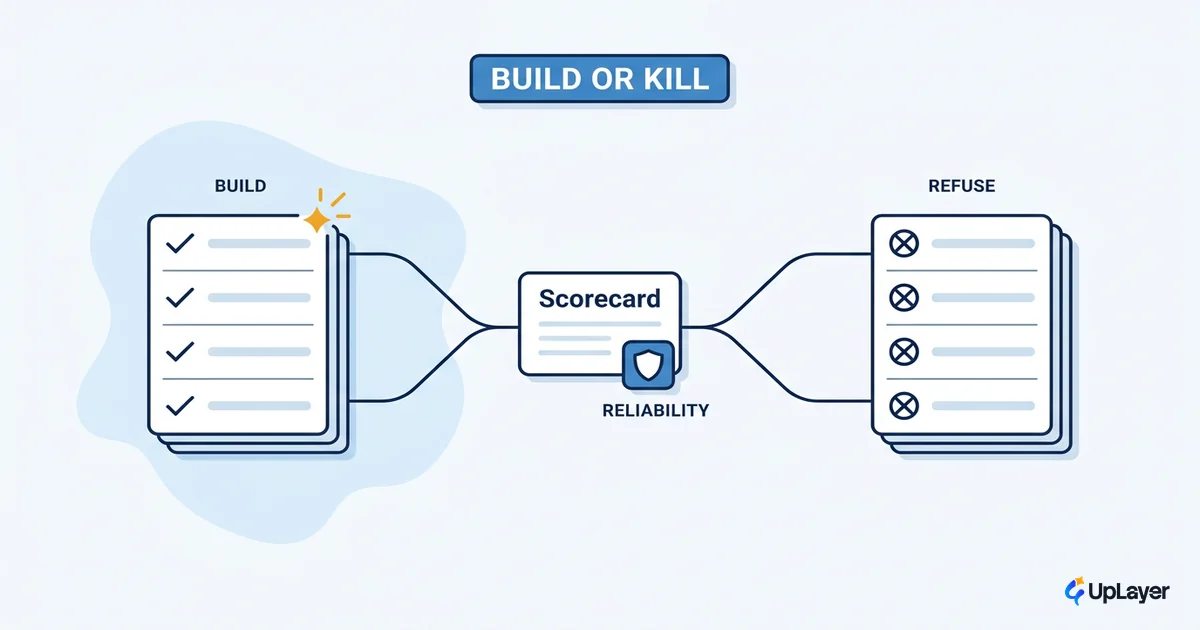
How to decide which AI features to build
A scoring framework for deciding which AI features to build. Rank every idea by projected ROI, reliability, and effort, then build only the ones that pay off.
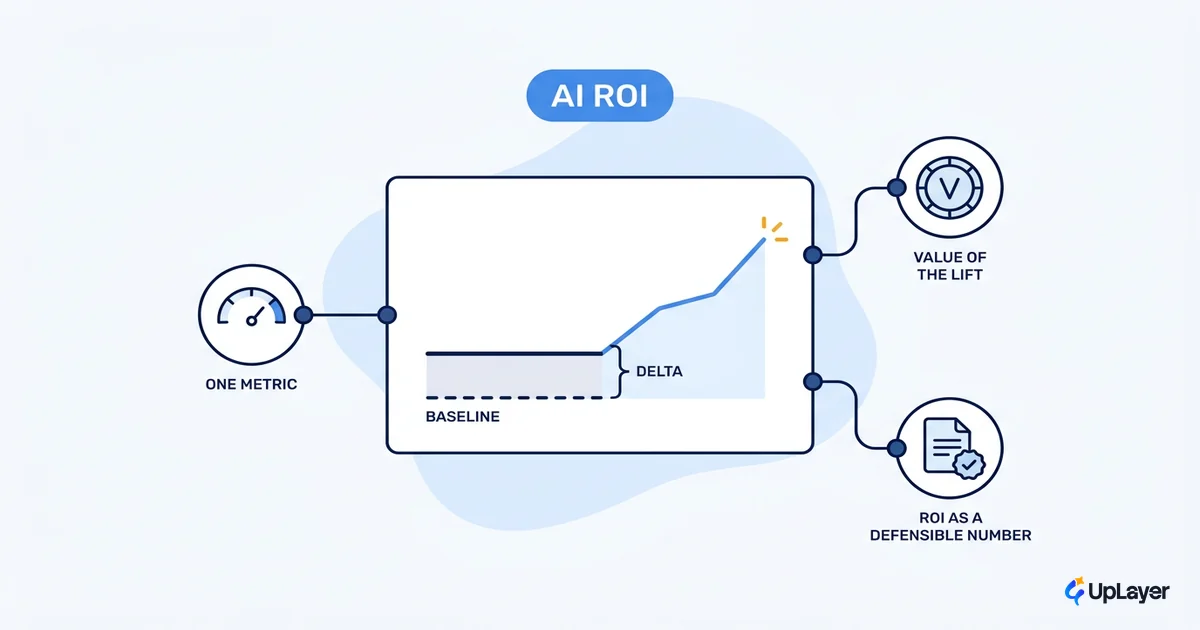
How to measure the ROI of an AI feature
A practical method for AI ROI: tie one AI feature to one metric you already track, set a baseline, and measure the delta. ROI is a number, not a story.
Ready to Build Something Great?
Let's discuss your project. Whether you need a full build, a landing page, or an AI solution, we're here to help.